Manipur launches clouded leopard, vulture conservation projects on 72nd Wildlife Week
AI-based technology being explored to detect trafficked wildlife and animal parts; Forest Department identifies 307 hectares under illegal poppy cultivation

- Oct 14, 2026,
- Updated Oct 14, 2026, 4:21 PM IST

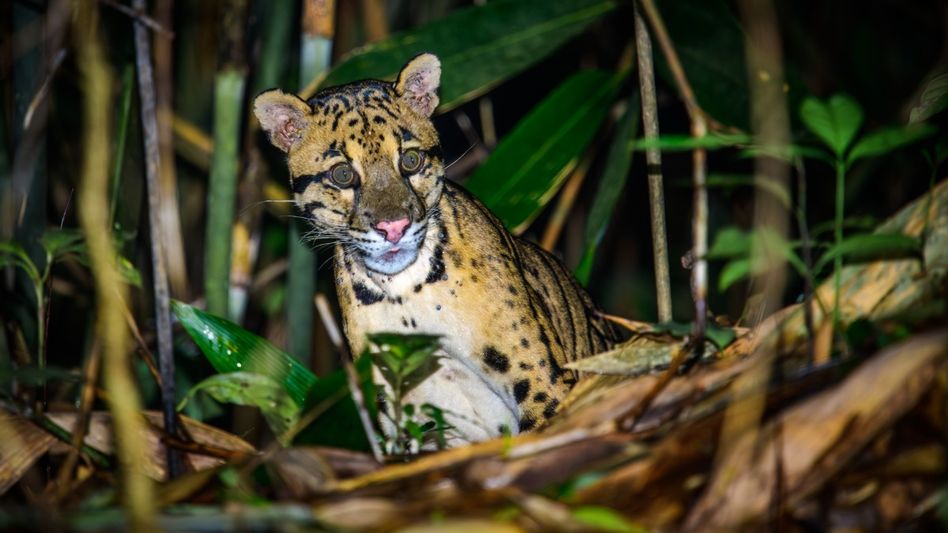
Manipur has launched two conservation initiatives targeting clouded leopards and vultures as the state steps up efforts to protect its biodiversity, with the Forest Department also exploring artificial intelligence (AI)-based technology to help detect wildlife trafficking.
The initiatives were announced during the 72nd Wildlife Week celebration at the City Convention Centre in Imphal on Wednesday, where Governor Ajay Kumar Bhalla called for stronger measures to protect the state’s forests, wetlands and wildlife habitats.
Organised by the Forest Department under the theme “Connecting Habitats, Thriving Wildlife”, the programme highlighted the need to protect endangered species, strengthen enforcement against illegal wildlife trade and involve local communities in conservation.
Speaking on the sidelines of the event, Principal Chief Conservator of Forests Anurag Bajpai said the Manipur Clouded Leopard Conservation Project and the Vulture Conservation Project had been launched under the theme “Two Projects, One Mission”.
Clouded leopards are found in Manipur’s hill areas, while the vulture initiative aims to protect a species whose population has declined significantly in the state.
“We hardly see vultures in the wild in Manipur, although they were once found here. At present, only four or five vultures are being conserved at the Manipur Zoological Garden,” Bajpai said, underlining the scavenger’s role in maintaining ecological balance.
AI tools to help detect wildlife smuggling
The Forest Department is exploring AI-based tools to help enforcement personnel identify trafficked wildlife and animal parts. Bajpai said discussions were underway with institutions and organisations to develop software that could be accessed through mobile phones to scan and identify suspected wildlife products.
Manipur’s international border with Myanmar and its road networks, including routes leading to Moreh, present challenges in preventing wildlife trafficking, he said.
To strengthen enforcement, a recent workshop brought together police personnel, paramilitary forces, Assam Rifles, intelligence agencies, customs officials, the Airports Authority of India and airport cargo service providers to improve coordination against smuggling.
Bajpai also stressed the importance of documenting Manipur’s biodiversity, particularly resident bird species, to track population changes and identify species requiring urgent conservation measures. A book titled Birds of Langol Reserve Forest: A Reckoner was released during the programme.
Governor stresses habitat protection
Addressing the gathering, Governor Ajay Kumar Bhalla said Manipur’s forests, wetlands and hills supported a diverse range of wildlife, including rare and endangered species whose survival depended on habitat protection and collective conservation efforts.
Highlighting the Sangai deer, Manipur’s state animal, he said its survival in the unique wetland ecosystem of Keibul Lamjao National Park demonstrated the close link between species conservation and habitat preservation.
He also called for the protection of clouded leopards, Himalayan black bears, pangolins and migratory birds, particularly the Amur falcon. Stronger action against illegal hunting, wildlife trafficking and smuggling was necessary, he said, emphasising coordination among enforcement agencies, especially along the international border.
Bajpai said local communities, students, young people and civil society organisations had an important role in protecting forests, preventing illegal activities and reducing human-wildlife conflict. Their growing participation in conservation activities was encouraging, he added.
307 hectares identified for poppy cultivation
On illegal poppy cultivation, Bajpai said the department had identified 307 hectares of land under poppy cultivation and planned to destroy the crops within the next one or two weeks.
“Any destruction of forest areas inevitably threatens wildlife and its natural habitat. We are committed to checking and destroying illegal poppy cultivation to protect our forests,” he said.
He added that the department would counsel and rehabilitate villagers involved in cultivation while taking action against anti-social elements allegedly engaged in the activity.
Deputy Chief Minister and Forest Minister Losii Dikho reaffirmed the state government’s commitment to protecting critical habitats, preventing poaching, curbing illegal wildlife trade and restoring degraded ecosystems. He also stressed the need to integrate wildlife conservation with climate resilience and sustainable forest management.
The programme featured the release of a wildlife conservation video album and the 72nd Wildlife Week Celebration Report 2026. Another book, Mahoushagi Maithong, was also released.
Manipur Zoological Garden was congratulated on completing 50 years, with Dikho highlighting its contribution to animal welfare, scientific management and conservation education. The event concluded with awards for winners and participants in quiz, painting, essay-writing and photography competitions organised to promote wildlife awareness.