PM Modi gifts Manipur's Shirui Lily silk stole to Italy PM Meloni, highlighting cultural link
PM Narendra Modi presented Shirui Lily and Eri silk stoles to PM Giorgia Meloni during their interaction. The gifts highlighted Manipur and Assam traditions while underscoring shared cultural symbolism with Italy.

- May 21, 2026,
- Updated May 21, 2026, 12:42 PM IST

- Shirui Lily grows only on Ukhrul's Shirui Kashong Peak in Manipur
- The flower symbolises purity, identity and pride for Tangkhul Naga community
- Handwoven design reflects Tangkhul folklore and the Northeast's textile artistry
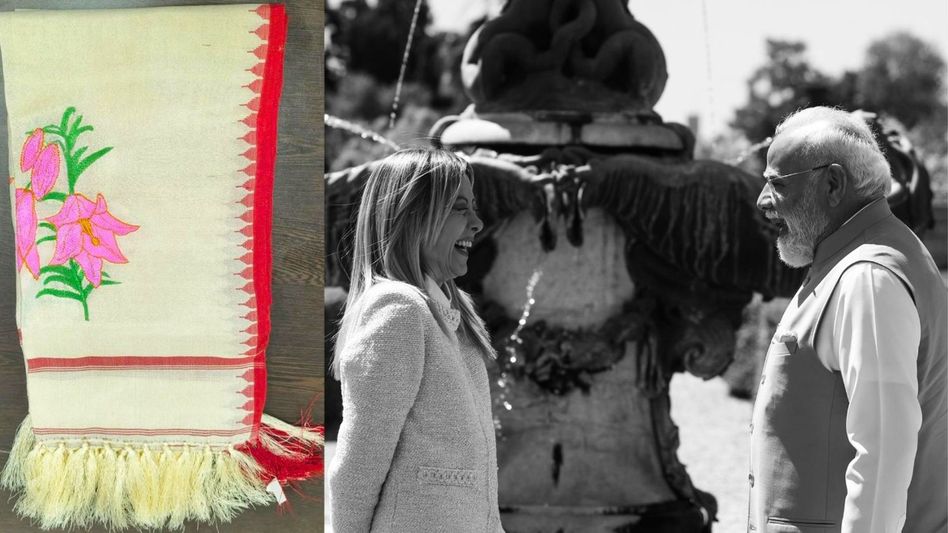
Prime Minister Narendra Modi presented a Shirui Lily silk stole to Italian Prime Minister Giorgia Meloni, bringing global attention to Manipur’s indigenous heritage and craftsmanship.
The stole is inspired by the Shirui Lily, a rare flower found only on the Shirui Kashong Peak in Manipur’s Ukhrul district. Known for its pale pinkish-white petals and bell-shaped bloom, the flower is closely associated with the Tangkhul Naga community and is regarded as a symbol of purity, identity and cultural pride.
Designed around the unique flower, the silk stole reflects the traditions and folklore of the Tangkhul people while also showcasing the artistry of handwoven textile traditions from the Northeast.
The gift also carried a symbolic cultural message linking India and Italy. The lily has long held significance in Italian culture, where it is associated with purity, grace and artistic refinement, often appearing in Renaissance-era art and architecture.
The Prime Minister also presented an Eri Silk stole to PM Meloni. The gesture highlighted Assam’s renowned Eri silk tradition, a textile heritage deeply rooted in the cultural fabric of Northeast India.
Eri silk, often referred to as the “peace silk” of Assam, is valued for its soft texture, warmth and sustainable method of production. Unlike conventional silk, Eri silk is produced without harming the silkworm, making it one of the most ethically produced natural fibres in the world.
Known for its thermal properties and durability, Eri silk is widely used in traditional Assamese attire and handwoven textiles. Its breathable and moisture-absorbing qualities make it suitable for different climates, while its natural texture and elegance have helped it gain recognition beyond the region.
Officials said the gesture reflected a blend of diplomacy and cultural storytelling, with the stole symbolising India’s rich handloom heritage and the shared emphasis on sustainability and tradition between the two countries.