
Rs 50 and Rs 100 stamp paper shortage disrupts legal transactions in Manipur
Severe scarcity of Rs 50 and Rs 100 non-judicial stamp papers in Manipur since January 2026. Legal, property, and administrative transactions delayed as black market prices soar. Authorities launch crackdowns on unauthorised stamp sales.

- Feb 01, 2026,
- Updated Feb 01, 2026, 3:08 PM IST

- Manipur faces a severe shortage of Rs 50 and Rs 100 stamp papers.
- Black market prices for stamp papers have surged to Rs 500 and Rs 1,000.
- Stamp paper scarcity disrupts legal and property transactions in Manipur.
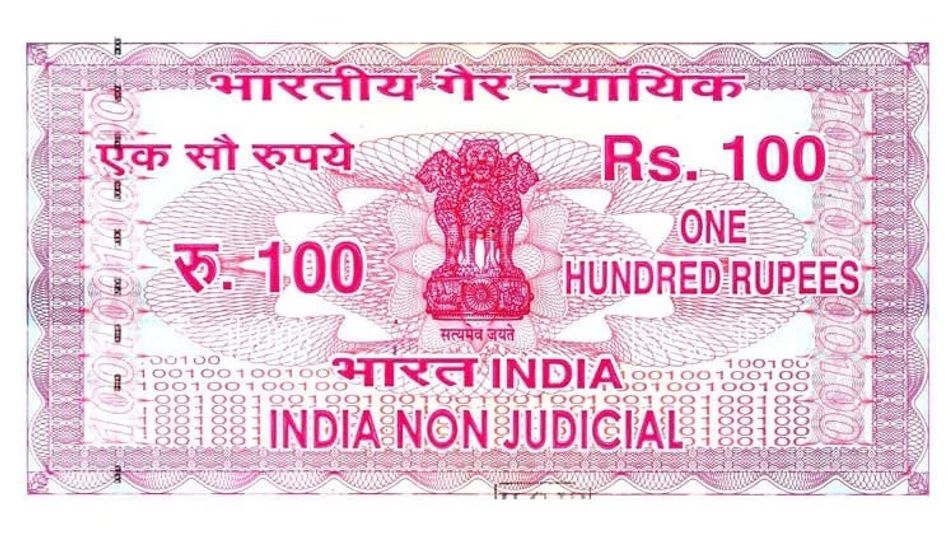
Manipur is currently grappling with a severe shortage of non-judicial stamp papers, particularly in the Rs 50 and Rs 100 denominations. Since January 2026, this scarcity has significantly disrupted legal, property, and administrative transactions in the state, making it difficult for residents and officials to process documents efficiently. The lack of readily available stamp papers has affected a wide spectrum of daily activities, from processing rent agreements to finalising property sales, and has placed additional strain on those reliant on official documentation for scholarships and affidavits.
The sudden and acute shortage has created an environment in which essential paperwork cannot move forward without considerable delays. People seeking to complete standard procedures, such as registering rental contracts or executing property deals, are being forced to delay or suspend these processes. Students requiring documentation for scholarships and individuals needing affidavits are among those most affected, leading to increasing frustration and inconvenience across Manipur.
With the scarcity worsening, a black market has developed around stamp paper distribution. Non-judicial stamp papers worth Rs 50 and Rs 100 are reportedly available outside court premises from street vendors at inflated prices of Rs 500 and Rs 1,000, respectively.
This escalation in prices has placed a significant financial burden on those requiring these documents. Many are being forced to pay between ten and twenty times the official value simply to obtain the necessary paperwork. "Reports indicate that stamp vendors with ulterior motives are collusively creating this scarcity, causing delays in legal documentation and forcing people to pay 10 to 20 times the face value for essential papers."
Concerns have also been raised about the role of licensed vendors in perpetuating the shortage. "Licensed vendors are allegedly hoarding stamps to sell on the black market, or they are simply not receiving a sufficient supply from the Treasury Office." This situation has contributed to the lack of transparency and further hindered access for the general public, making it increasingly difficult for legitimate transactions to proceed without significant obstacles.
The impact of the stamp paper shortage extends beyond legal professionals and property buyers. Students applying for scholarships, individuals seeking to finalise affidavits, and families wishing to register rent agreements are all facing barriers due to the unavailability of reasonably priced stamp papers. The absence of these basic administrative resources has exacerbated delays and increased costs for routine processes.
In response to these developments, the Manipur Bar Association (MBA) and Manipur Police have increased their efforts to clamp down on unauthorised sales. "Meanwhile, reports state that the Manipur Bar Association (MBA) and Manipur Police have initiated crackdowns on unauthorised sales by black marketers." These measures aim to restore order and ensure that stamp papers reach the intended recipients without inflated costs or illegal intermediaries.
The ongoing shortage has highlighted longstanding issues in the distribution and regulation of non-judicial stamp papers in Manipur. While efforts to curb unauthorised sales are underway, many continue to face acute difficulties in conducting essential transactions until normal supply is restored.
MORE NEWS












Copyright©2026 Living Media India Limited. For reprint rights: Syndications Today
