
Meghalaya admits doctor and nurse shortage as hospital patient numbers keep rising
Meghalaya faces a shortage of medical staff amid rising patient numbers. The government is taking steps to recruit more healthcare workers and improve hospital infrastructure

- Feb 17, 2026,
- Updated Feb 17, 2026, 3:36 PM IST

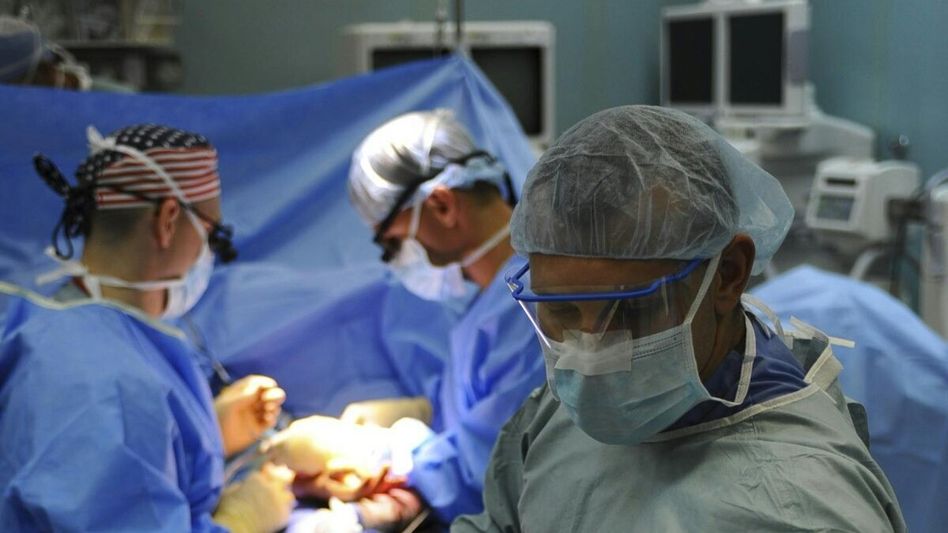
The Meghalaya government confirmed on February 17 that its hospitals are short of doctors and nurses, even as patient numbers have climbed significantly over the past three years — a combination that health advocates have long warned against.
Health minister Wailadmiki Shylla, answering a question from Mehtab Chandee A Sangma, acknowledged the shortage is real. He told the House that detailed hospital-wise figures on the staffing gap had been placed as a statement on the table of the House, as had a full account of what the government is doing to close it.
Across the state's Primary Health Centres, there are 139 sanctioned posts for Medical and Health Officers. Community Health Centres carry 121 MHO posts and 42 specialist posts. The gap between how many posts exist on paper and how many are actually filled is a problem the minister did not dispute.
“There is a shortage of doctors and nurses in some government hospitals, and at the same time there has been significant increase in patient load,” Shylla said.
To track the situation, the Directorate of Health Services has set up what the minister described as an institutionalised system of continuous, real-time monitoring through a dashboard. Whether that monitoring has translated into concrete recruitment progress was not made clear in the session.
The problem is not confined to human medicine. A separate exchange on Tuesday revealed that 38 veterinary dispensaries across the state are operating without the full complement of staff their sanctioned posts allow.
On the broader question of healthcare access, the government told the House it had conducted a process evaluation for a Service Delivery Redesign programme, developed in collaboration with the World Bank, to assess how accessible health services are at the population level. The study measures, among other things, the average time it takes a woman to travel from home to a First Referral Unit — a key indicator for maternal safety.
The redesign, being implemented through the Meghalaya Health Systems Strengthening Project, aims to shift high-risk services — particularly childbirth — away from under-equipped primary facilities towards designated First Referral Units. The government also confirmed that it plans to open additional hospitals across the state within three years, with a district-wise and category-wise breakdown placed before the assembly.
MORE NEWS










Copyright©2026 Living Media India Limited. For reprint rights: Syndications Today
