Meghalaya cabinet approves revised pay structure for SSA, Ad doc teachers; clears new state curriculum framework
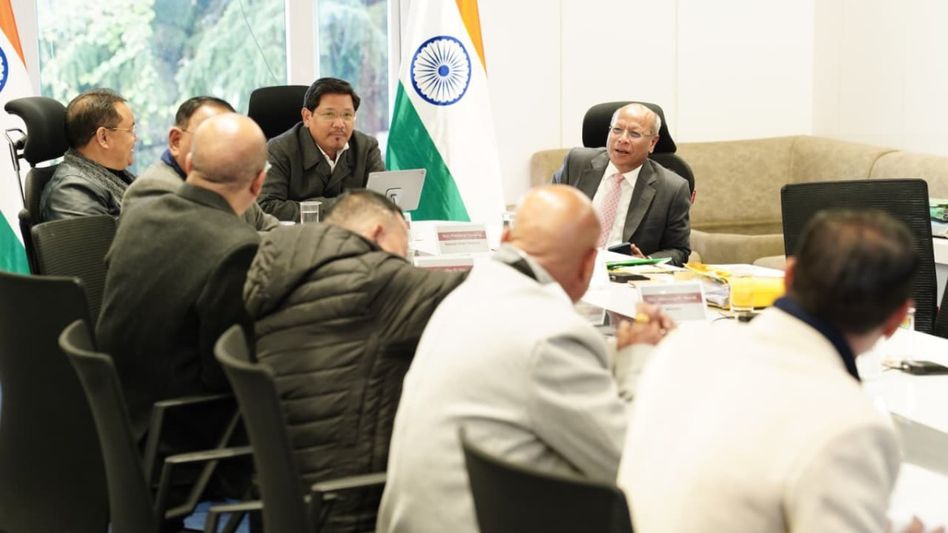
The Meghalaya Cabinet, on December 19, approved a major revision of the pay structure for SSA and Ad hoc teachers, addressing long-standing demands related to pay disparity, job security, and post-retirement benefits.

- Dec 19, 2025,
- Updated Dec 19, 2025, 7:32 PM IST

The Meghalaya Cabinet, on December 19, approved a major revision of the pay structure for SSA and Ad hoc teachers, addressing long-standing demands related to pay disparity, job security, and post-retirement benefits.
The decision was taken following a proposal submitted by the Education Department.
As part of the decision, a structured pay system has been introduced, replacing the earlier flat salary model. The new framework ensures a more systematic and equitable salary structure for SSA and Ad hoc teachers.
The Cabinet also approved an annual increment mechanism, ensuring that teachers will receive yearly salary increases and will no longer remain at the same pay level for extended periods.
To correct long-standing inequities, a seniority-based pay enhancement has been introduced. Under the previous system, teachers with 15–20 years of service were drawing the same salary as those with just one or two years of experience. The revised structure creates service-based categories, with defined minimum increments linked to years of service.
Addressing concerns over job and post-retirement security, the Cabinet approved measures to ensure greater employment stability. A Contributory Provident Fund (CPF) will be introduced, with contributions from both the government and teachers, providing financial security after retirement. The CPF will be managed by a dedicated society to oversee and regulate the scheme.
The government stated that this decision fulfils its earlier commitment to complete the process before Christmas. The revised pay structure will come into effect from April 1, 2026. Over the next three months, detailed work will be carried out to finalise implementation modalities and administrative procedures.
In another significant decision, the Cabinet approved the State Curriculum Framework for the foundational stage, covering preschool to Class I, along with new textbooks. The curriculum emphasises holistic development, value-based education, and familiarising children with the state’s culture and history. Learning both Khasi and Garo languages has been made mandatory.
The curriculum has been simplified to make learning more accessible for young children. While some schools have already finalised their syllabus for the upcoming academic year, the adoption of the new textbooks will remain optional this year and will become mandatory from the next academic year.
The Cabinet decisions mark key reforms in both teacher welfare and foundational education, aimed at strengthening the state’s education system in the long term.