
Meghalaya caving breakthrough: Over 22 km new passages discovered, total mapped length nears 574 km
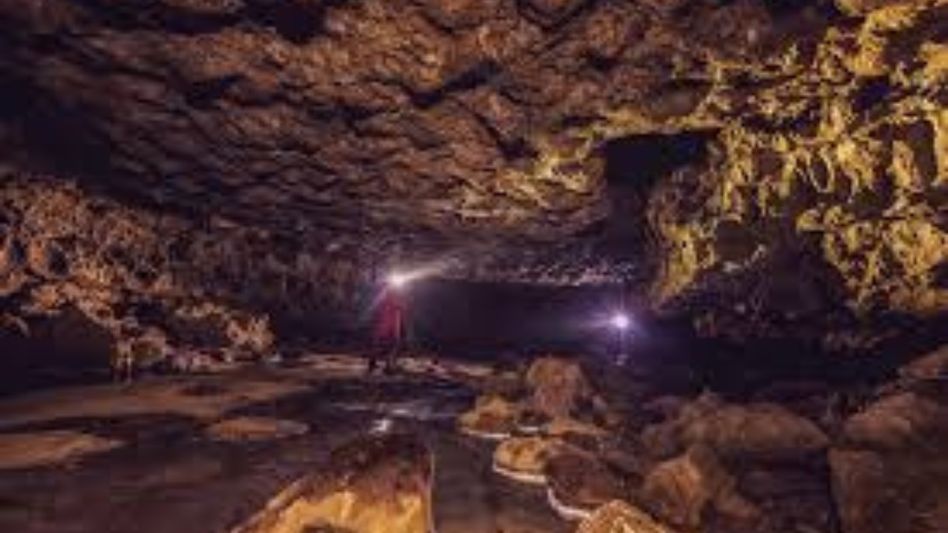
A multi-national team of explorers has discovered more than 22 km of new cave passages in Meghalaya during an expedition conducted earlier this year, further cementing the state’s reputation as one of the world’s most significant caving regions.

- Mar 24, 2026,
- Updated Mar 24, 2026, 10:48 PM IST

A multi-national team of explorers has discovered more than 22 km of new cave passages in Meghalaya during an expedition conducted earlier this year, further cementing the state’s reputation as one of the world’s most significant caving regions.
According to officials from the Meghalaya Adventurers Association, the “Caving in the Abode of Clouds Expedition 2025,” held between February 2 and 28, mapped a total of 22,663 metres of previously unexplored cave systems.
The expedition, supported by the Meghalaya government, brought together 24 cavers from Austria, Germany, India, Ireland, the Netherlands, Poland and the United Kingdom, highlighting the global scientific interest in the state’s subterranean landscape.
During a pre-expedition phase in East Khasi Hills district, eight caves were explored, yielding 6,210 metres of new passages, including key discoveries such as Krem Riblai, Krem Khla and Krem Wallang. The main expedition focused on the Jynria area and Mawsmai Spur near Tangnub village, where an additional 16,453 metres of cave systems were mapped.
Among the most notable findings was the extension of the Wangkung Khlur cave to 13,618 metres, making it India’s 10th longest cave and the ninth longest limestone cave. The cave features extensive river passages and calcite formations, offering significant scientific insights.
In total, 27 caves were explored during the expedition, of which 18 were newly identified. Experts said the discoveries underscore the immense and still largely untapped potential of Meghalaya’s underground river systems.
“These findings once again show that Meghalaya remains one of the most important caving regions in the world, with vast systems still waiting to be explored,” expedition member Brian Daly Kharpran said.
The expedition also contributed to scientific research, including the collection of specimens of Neolissochilus fish, believed to be among the largest known blind cave fish, for conservation and study purposes.
In a separate effort in South West Khasi Hills district, explorers extended the Krem Amarsang cave system to 1,564 metres, with several additional passages still unexplored.
The discoveries form part of the ongoing “Caving in the Abode of Clouds” project, which has been mapping Meghalaya’s caves since 1992. With the latest additions, the total mapped cave length in the state has now reached an impressive 573.6 km, officials added.
MORE NEWS











Copyright©2026 Living Media India Limited. For reprint rights: Syndications Today
