Meghalaya CM chairs first state council on AIDS meeting, outlines five-pronged HIV response
Conrad K Sangma chaired the first meeting of the Meghalaya State Council on AIDS and reviewed the state's HIV response. He stressed early detection, treatment retention and stigma reduction as major priorities.

- Sep 15, 2026,
- Updated Sep 15, 2026, 6:25 PM IST

- Meghalaya's HIV prevalence is 0.40%, double the national average of 0.20%
- New infections have risen 58.74% since 2010, with seven daily detections
- AIDS-related deaths fell 61.18%, but treatment coverage remains at 77.2%
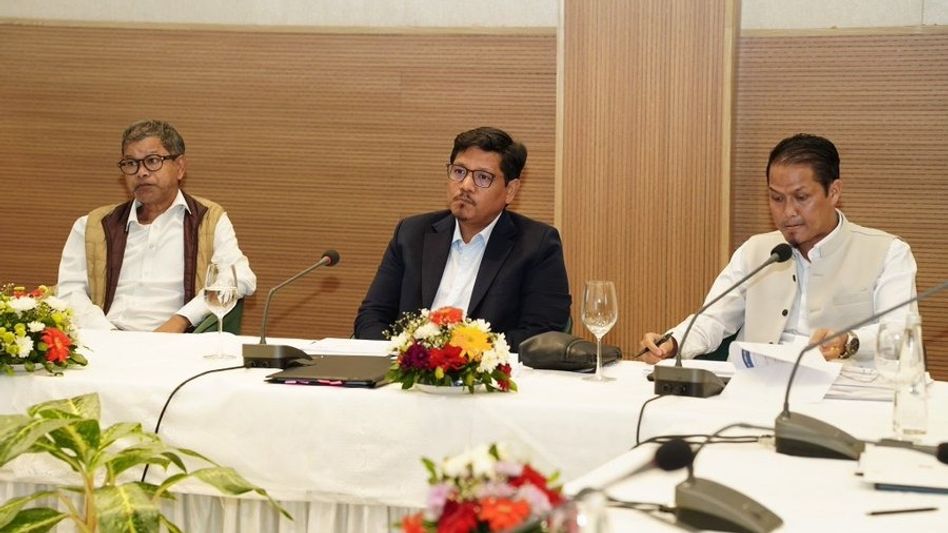
Meghalaya Chief Minister Conrad K Sangma chaired the first meeting of the Meghalaya State Council on AIDS, focusing on strengthening the state’s response to HIV/AIDS through coordinated efforts across healthcare and society.
Sangma highlighted HIV/AIDS as a serious public health challenge for Meghalaya, noting that the state’s HIV prevalence stands at 0.40%, twice the national average of 0.20%.
According to the Chief Minister, new HIV infections have increased by 58.74% since 2010, with nearly seven cases being detected every day. The state currently has 618 HIV cases, including 60 pregnant women living with HIV.
While AIDS-related deaths have declined by 61.18% since 2010, Sangma said treatment coverage remains a major concern, with only 77.2% of people living with HIV (PLHIV) currently on treatment.
He identified treatment initiation and retention as Meghalaya’s biggest gaps, noting that 2,381 diagnosed persons have yet to begin treatment. Financial constraints and stigma were highlighted as key factors contributing to loss to follow-up.
The Chief Minister outlined a five-pronged approach focusing on early detection, improved treatment and retention, prevention of new infections, protection of mothers and children, and reduction of stigma surrounding HIV/AIDS.
The meeting also discussed measures including expanded HIV self-testing, index partner testing, mobile Integrated Counselling and Testing Centres (ICTCs), new ART Centres, home delivery of medicines and tracking of missed appointments.
Sangma further stressed the need for stronger awareness campaigns involving youth, communities, educational institutions and people living with HIV.
He said a coordinated, whole-of-society approach would be essential to ensure that no one is left behind in Meghalaya’s fight against HIV/AIDS.