Meghalaya: NEHU bootcamp launches with focus on youth innovation and local sustainability
More than 170 participants gathered at NEHU for the launch of the IDE Bootcamp 2026. The programme linked startup training with local sustainability and indigenous enterprise ideas.

- May 11, 2026,
- Updated May 11, 2026, 4:30 PM IST

- Students, entrepreneurs and mentors attended the bootcamp inauguration at NEHU
- Sessions explored digital disruption, innovation trends and evolving post-pandemic entrepreneurship
- Mentors guided participants on pitching ideas to investors and incubators
More than 170 students, entrepreneurs and startup mentors gathered at North-Eastern Hill University for the inauguration of the Innovation, Design and Entrepreneurship (IDE) Bootcamp 2026, organised in collaboration with the Ministry of Education’s Innovation Cell and the All India Council for Technical Education.
The bootcamp focused on entrepreneurship, innovation and sustainable business ideas, with organisers highlighting the growing role of youth-led startups in the Northeast. Participants from different parts of Meghalaya attended the programme aimed at providing practical exposure to the startup ecosystem.
Speaking at the inaugural session, bootcamp coordinator Dinesh Bhatia said entrepreneurship in India had undergone major changes after the COVID-19 pandemic and urged students to pursue innovation with confidence. He also referred to India’s improving position in the global innovation landscape.
The event featured interactive sessions with startup mentors and industry experts. Vikas Verma from the Ministry of Education’s Innovation Cell spoke about digital disruption and changing business models, using streaming platform Netflix as an example of how innovation can reshape industries.
Startup mentor RajKiran Pund told participants that the bootcamp would focus on helping students develop pitching skills and present business ideas effectively before investors and incubators.
University officials also stressed the importance of linking entrepreneurship with local knowledge and sustainability. NEHU Pro-Vice Chancellor S. Umdor cited Khasi Ryndia — the traditional handwoven silk produced without killing silkworms — as an example of how indigenous practices could inspire globally relevant and environmentally sustainable ventures.
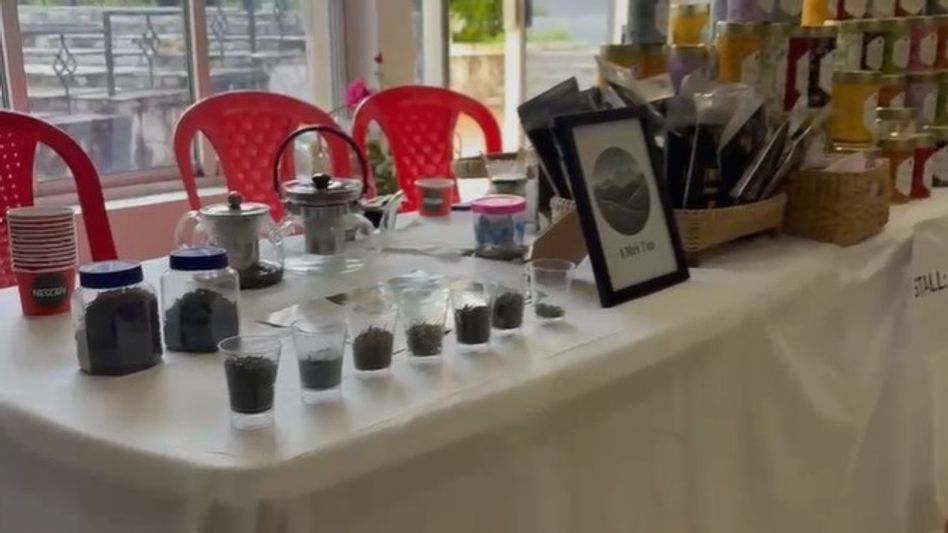
One of the key attractions of the programme was an exhibition of products and business ideas by students, local entrepreneurs and artisans from Shillong and nearby areas. Stalls displayed handmade crafts, herbal teas, crochet items, desserts, eco-friendly products, sustainable jewellery and regional specialities, reflecting the expanding small-business and startup culture in Meghalaya.
Organisers said the bootcamp would continue with mentoring sessions, idea development workshops and networking activities aimed at encouraging young innovators to turn concepts into viable enterprises.