
Meghalaya panel flags gaps at Pahamsyiem tribal school after inspection
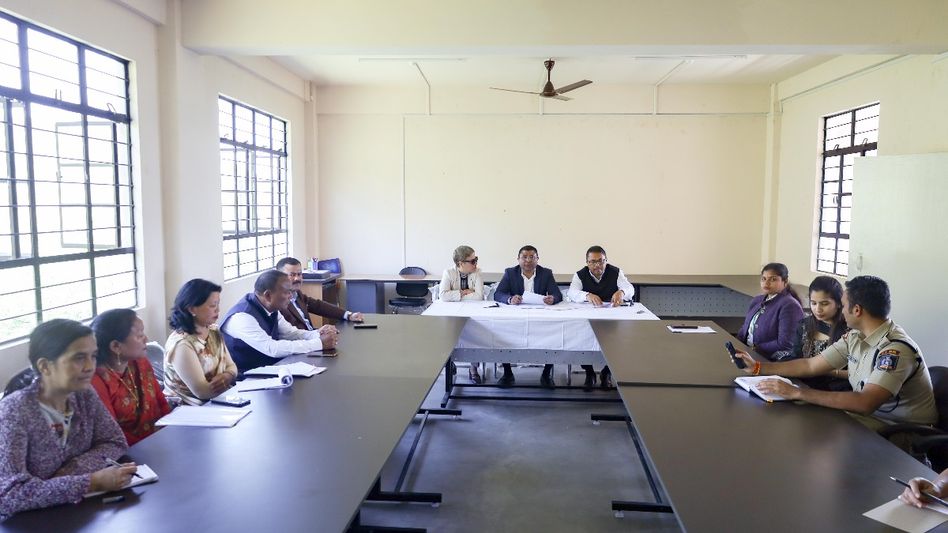
A legislative panel has flagged infrastructure gaps at the Eklavya Model Residential School (EMRS) in Pahamsyiem, Nongpoh, following an inspection on Wednesday, raising concerns over the institution’s readiness to operate at full capacity.

- Mar 26, 2026,
- Updated Mar 26, 2026, 8:14 AM IST

A legislative panel has flagged infrastructure gaps at the Eklavya Model Residential School (EMRS) in Pahamsyiem, Nongpoh, following an inspection on Wednesday, raising concerns over the institution’s readiness to operate at full capacity.
The Committee on Scheduled Castes and Scheduled Tribes of the Meghalaya Legislative Assembly visited the campus to review facilities and assess operational preparedness. The team was led by committee chairman and Nongstoin MLA Gabriel Wahlang, along with member Ampareen Lyngdoh and Nongpoh MLA Mayralborn Syiem.
Officials of the school informed the panel about early-stage challenges, particularly shortcomings in key facilities. The girls’ hostel emerged as a major area of concern, with several essential amenities yet to be put in place.
Members of the committee said findings from the visit would be compiled into a report for submission to the state government, seeking timely intervention. The panel stressed that addressing deficiencies at this stage is crucial to ensure the school meets required standards and functions effectively.
The inspection also assumes significance as the Pahamsyiem campus is the first fully operational EMRS in Meghalaya, having begun classes in December 2025. A second school under the scheme has already started functioning in Samanda, East Garo Hills earlier this year.
The committee indicated that lessons from the Pahamsyiem experience could shape the rollout of similar residential schools across the state, where expansion plans are underway.
Eklavya Model Residential Schools are a central government initiative aimed at providing quality education to Scheduled Tribe students in remote areas. Meghalaya has 38 such schools sanctioned, with an estimated outlay of Rs 1,400 crore, as part of a broader push to improve access to residential schooling in tribal-dominated regions.
MORE NEWS









Copyright©2026 Living Media India Limited. For reprint rights: Syndications Today
