Meghalaya picked as key site for new biodiversity governance push
Meghalaya's Garo Hills has been selected as a primary landscape for a new biodiversity governance project running from 2025 to 2030. The initiative will test community-led conservation models linked to local planning, financing and livelihoods.
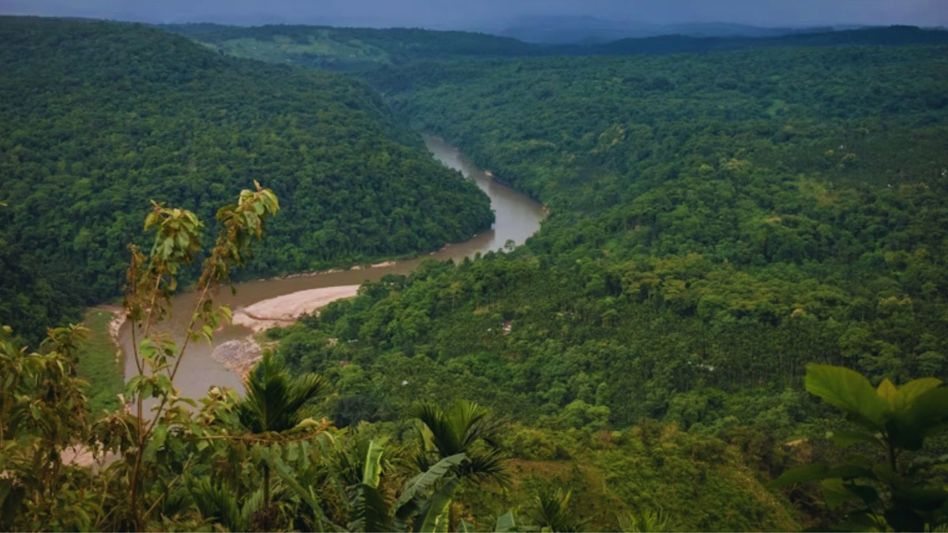

- Apr 27, 2026,
- Updated Apr 27, 2026, 8:24 AM IST

- Project will run from 2025 to 2030 under environment ministry oversight
- Local bodies will shape biodiversity plans through greener village development planning
- Platforms will unite departments, elected representatives and civil society groups
Meghalaya’s Garo Hills will serve as one of the primary landscapes for a new five-year biodiversity governance project aimed at strengthening local conservation and planning systems. Officials said the initiative places a strong emphasis on community-led action, with local institutions expected to play a central role in shaping and funding biodiversity plans.
The programme, launched by the Ministry of Environment, Forest and Climate Change and the National Biodiversity Authority, will run from 2025 to 2030. Alongside Meghalaya, Tamil Nadu’s Sathyamangalam landscape has been identified as the second focus area due to its ecological importance at the junction of the Western and Eastern Ghats.
Officials indicated that the project will prioritise integrating biodiversity concerns into local governance frameworks. “A key objective of the project is mainstreaming biodiversity in local development plans to strengthen Panchayati Raj Institutions and Biodiversity Management Committees,” an official said.
At the grassroots level, the initiative seeks to “empower local communities and institutions through the greening of Gram Panchayat Development Plans and innovative financing”. Authorities expect this approach to align conservation efforts with rural development priorities.
Plans include the creation of landscape-level platforms bringing together forest departments, revenue authorities, elected representatives and civil society groups. These platforms are expected to produce biodiversity strategies that are community-owned and financially supported.
Funding mechanisms will also form a significant part of the programme. The project aims to activate access and benefit-sharing arrangements, encourage corporate social responsibility (CSR) co-financing, and promote green micro-enterprises that generate sustainable livelihoods tied directly to conservation.
The initiative is backed by international collaboration, involving the Global Environment Facility and the United Nations Development Programme. Officials confirmed a grant of $4.88 million has been allocated for the duration of the project.
With Meghalaya’s biodiversity-rich Garo Hills at the forefront, the programme is expected to test models of community-driven conservation that could be replicated across other regions.