Meghalaya pushes awareness drive to curb child stunting and malnutrition
Meghalaya Chief Minister Conrad K Sangma reviewed Mission 1000 Days and asked officials to tighten implementation. The push centres on measurable outcomes, community participation and better nutrition in vulnerable areas.

- May 14, 2026,
- Updated May 14, 2026, 9:29 PM IST

- Sangma sought measurable outcomes and tighter monitoring in remote vulnerable areas
- Officials were asked to expand breastfeeding and maternal nutrition awareness campaigns
- The programme targets health gains during a child’s first 1,000 days
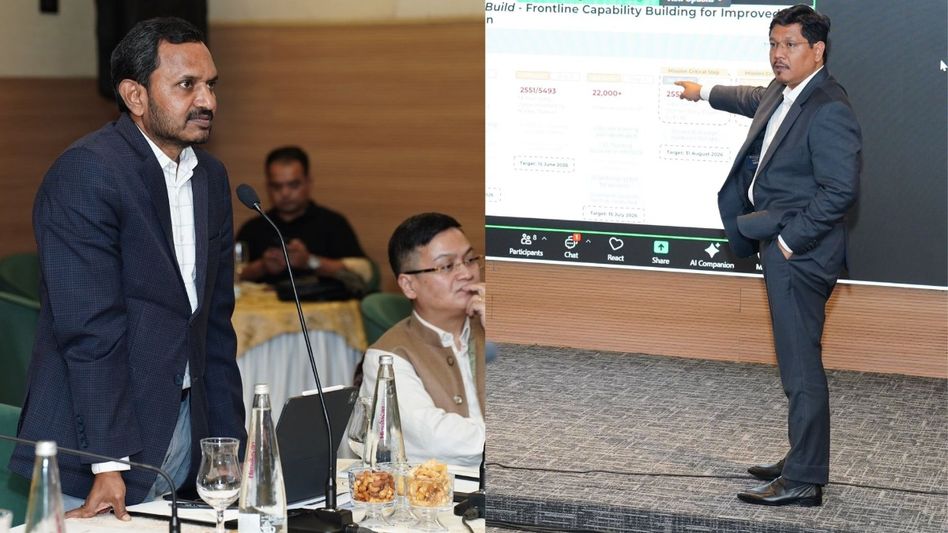
Meghalaya Chief Minister Conrad K Sangma on May 14 reviewed the progress of Mission 1000 Days, a flagship initiative aimed at improving maternal and child nutrition, reducing stunting and strengthening early childhood development across the state.
During the review meeting, the Chief Minister stressed the need for “measurable outcomes”, stronger implementation at the grassroots level and continuous monitoring to ensure the programme delivers results in remote and vulnerable communities.
Officials were directed to intensify awareness campaigns on breastfeeding, maternal nutrition and child feeding practices, with the government focusing on improving health indicators during the critical first 1,000 days of a child’s life.
The review also covered anganwadi nutrition initiatives, including the distribution of hot cooked meals with eggs for pregnant and lactating mothers. Digital learning tools and youth fellowship programmes linked to child development and nutrition awareness were also discussed.
Sangma said community participation would be key to the success of the programme, adding that “focused action and community participation” could help build “a healthier future for every child in Meghalaya”.
The state government has been placing renewed emphasis on tackling malnutrition and improving maternal healthcare through coordinated interventions involving health workers, anganwadi centres and local communities.