Meghalaya SIR: 6.51 lakh electors flagged for scrutiny, claims and objections open till September 4
Meghalaya election authorities have flagged 6.51 lakh electors for scrutiny during the Special Intensive Revision. Claims and objections remain open till September 4 as officials begin notices, hearings and due process.

- Aug 11, 2026,
- Updated Aug 11, 2026, 9:51 PM IST

- Draft rolls for all 60 Assembly seats were published on August 5
- Notice hearings and disposal of claims will continue until October 3
- ECINET flagged mismatches in names ages family links and previous records
The Meghalaya election authorities have identified 6,51,644 electors for further scrutiny as part of the Special Intensive Revision (SIR) of electoral rolls, including 2,22,786 voters under the “No Mapping” category and 4,28,858 with discrepancies in their mapping with previous SIR records.
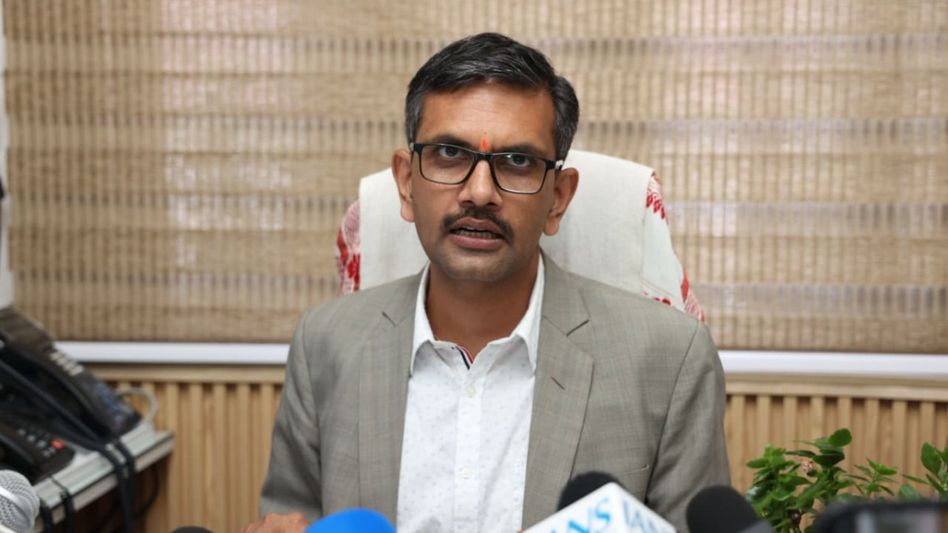
The figures were reviewed by the Chief Electoral Officer (CEO), Meghalaya, during a virtual meeting with Deputy Commissioners/District Election Officers, Sub-Divisional Officers, Electoral Registration Officers and Assistant Electoral Registration Officers on August 11.
The draft electoral roll for all 60 Assembly constituencies was published on August 5. The period for filing claims and objections will continue until September 4, while the notice and hearing process and disposal of claims and objections will continue until October 3. The final electoral roll is scheduled to be published on October 7.
The CEO also held a separate meeting with representatives of recognised national and state political parties to brief them on the progress of the revision exercise, including the “No Mapping” cases, mapping discrepancies, and the ongoing notice and hearing process.
The discrepancies identified through ECINET include mismatches between an elector's name and the name recorded in previous SIR records, differences in parents' names, an age difference of less than 15 years or more than 50 years between an elector and parent, an age gap of less than nine months between siblings linked to the same parent, more than six children linked to the same parent, and an age difference of less than 40 years between an elector and grandparent.
The CEO directed EROs and AEROs to scrutinise these cases and ensure notices are generated, printed and served in a timely manner. Electors receiving notices can appear before the concerned ERO/AERO and submit the required supporting documents.
The meeting also reviewed applications received after publication of the draft roll. A total of 2,449 applications have been received so far, comprising 1,121 applications in Form 6, eight in Form 7, 253 applications in Form 8 for shifting of residence and 1,067 other Form 8 applications.
Electors who were unable to submit their enumeration forms during the enumeration phase can apply for inclusion by filing Form 6 along with the prescribed declaration during the claims and objections period. Form 7 can be used to object to a proposed inclusion or seek deletion of an existing entry, while Form 8 is meant for shifting of residence, correction of particulars and other prescribed changes.
Political parties have been asked to continue their participation through their Booth Level Agents (BLAs) and assist eligible electors in verifying their names and particulars in the draft electoral roll and filing appropriate claims or objections within the prescribed period. Political parties had appointed 1,733 BLAs across the state during the enumeration phase.
The CEO also reiterated that no name appearing in the draft electoral roll would be deleted without due process. The ERO/AERO must issue a notice, conduct the necessary inquiry, provide the person concerned a “fair and reasonable opportunity” and pass a reasoned order before taking any decision.
An elector aggrieved by an ERO's decision can appeal to the District Magistrate within 15 days of the order. If dissatisfied with the decision of the District Magistrate, a second appeal may be filed before the CEO within 30 days.
The Election Department has urged eligible electors to check their names and particulars in the draft electoral roll and file claims or objections before the September 4 deadline. The draft roll can be inspected through the concerned ERO, AERO or BLO, as well as through the online facilities provided by the Election Commission of India.