
Meghalaya’s Ryndia flagged as key success story in India’s textile reforms
Meghalaya's Ryndia stands out as a success in India's textile reforms, boosting local production and artisan livelihoods. The initiative is seen as a model for other states to enhance their textile industries and create jobs

- Dec 30, 2025,
- Updated Dec 30, 2025, 9:09 AM IST

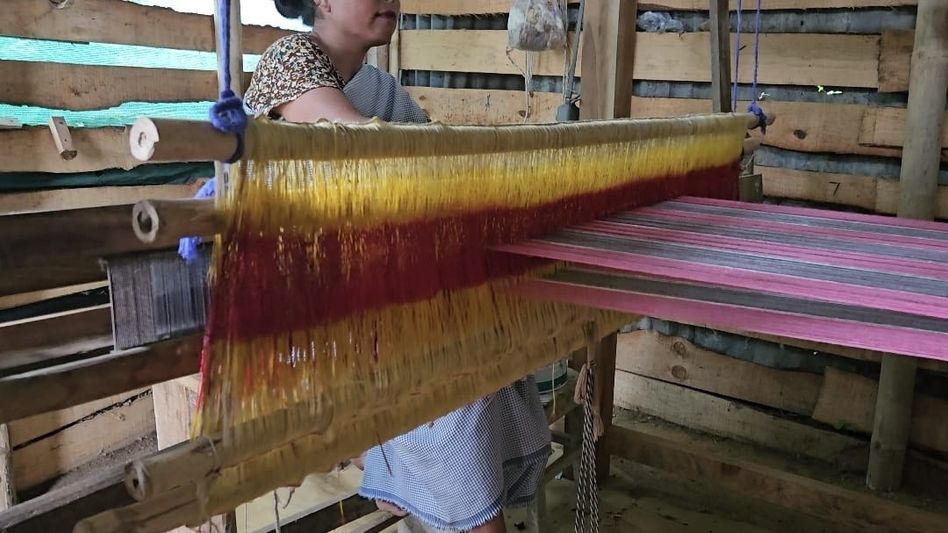
The Ministry of Textiles has flagged the Geographical Indication (GI) tag granted to Meghalaya’s traditional eri silk fabric, ryndia, as one of the most notable success stories of India’s textiles sector in 2025, underlining its role in strengthening rural livelihoods and sustainable production.
The recognition comes during the Year of Textile Reforms, a period that saw sharp growth in the country’s silk and sericulture sectors. India retained its position as the world’s second-largest silk producer, with raw silk output rising to 41,121 metric tonnes in 2024–25, compared with 26,480 metric tonnes in 2013–14, marking a 55 per cent increase. Productivity also improved, with yields climbing from 96 kg per hectare to 112 kg per hectare over the same period.
Returns to farmers strengthened alongside higher production. Mulberry cocoon prices increased by 46 per cent, from Rs 384 per kg in 2013–14 to Rs 560 per kg in 2024–25.
Employment in sericulture expanded by nearly 24 per cent, rising from 78 lakh people in 2013–14 to about 98 lakh in 2024–25, reinforcing the sector’s importance for rural economies and women’s participation in income-generating activities.
Officials said the GI recognition of ryndia has been a key driver of these gains, leading to better incomes for cocoon farmers, increased rural employment, wider involvement of women, and innovation through GI-led branding. The tag has also helped promote eco-friendly and sustainable silk practices.
The ministry said the progress linked to ryndia reflects a wider commitment to protecting traditional textiles, empowering local communities, and strengthening India’s standing in the global textiles and silk industry.
MORE NEWS












Copyright©2026 Living Media India Limited. For reprint rights: Syndications Today
