Meghalaya's South West Garo Hills steps up border vigil after arrest of six Bangladeshis
Police intensified surveillance along the Bangladesh border after six Bangladeshi nationals were arrested. The district administration is also addressing gaps in healthcare, education and agricultural livelihoods.

- Nov 13, 2026,
- Updated Nov 13, 2026, 9:13 AM IST

- Police seized 2,000 Yaba tablets and arrested two under NDPS Act
- Maternal care drives target home deliveries across three PHC areas
- Dropout surveys support re-entry through special classes and open schooling
The South West Garo Hills administration has stepped up its focus on healthcare, school dropouts and farmers' market access, while police have intensified surveillance along the Bangladesh border following the arrest of six Bangladeshi nationals attempting to cross into the neighbouring country through Meghalaya.
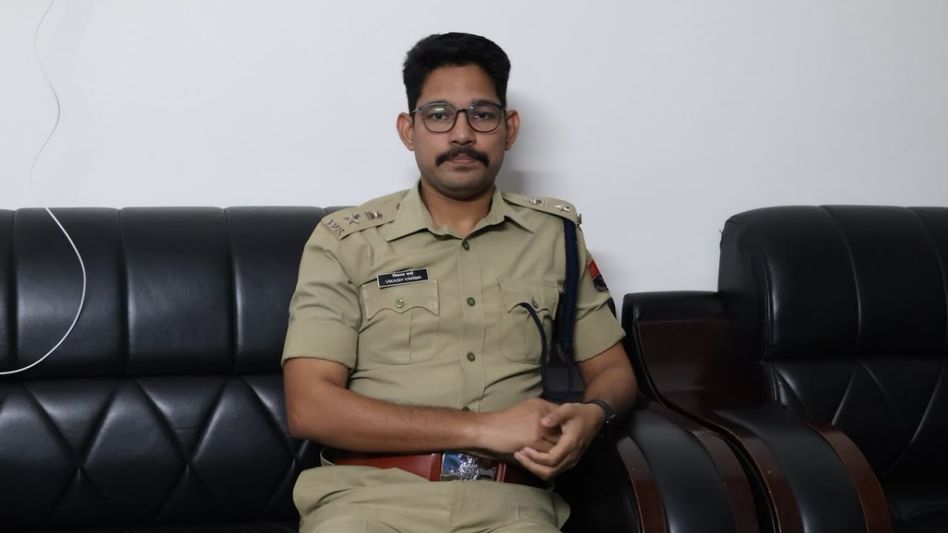
The six were among seven people arrested during a recent police operation in the Zikzak area, Superintendent of Police Vikash Varma said during an interaction with journalists from Shillong.
According to Varma, the six Bangladeshi nationals had been living in different parts of India, including Delhi, Bengaluru and Surat, before allegedly attempting to enter Bangladesh through Meghalaya.
South West Garo Hills shares an international border with Bangladesh and an interstate boundary with Assam. While the overall security situation remains peaceful, police continue to monitor cross-border movement, infiltration and drug-related activities.
Varma said the district is not a major transit route for narcotics, with most reported cases involving small-scale peddling. In a recent operation, police arrested two people under the Narcotic Drugs and Psychotropic Substances (NDPS) Act and seized 2,000 Yaba tablets.
Cases involving crimes against women and children, particularly those registered under the Protection of Children from Sexual Offences (POCSO) Act, remain a concern. These include cases linked to teenage pregnancies and the sexual assault of minors.
The SP stressed the need to improve awareness of the POCSO Act among students and educational institutions. Police regularly conduct awareness programmes in schools, colleges and market areas on cybercrime, drug abuse and offences under the POCSO and NDPS Acts.
He also ruled out any signs of militant activity or a revival of militant groups in the district, saying the overall security situation remains under control.
Meanwhile, Deputy Commissioner Anendya Raajsshre said the administration has identified gaps in healthcare, education and agricultural livelihoods since she took charge of the district in January.
Regular departmental review meetings have been initiated to address these issues, she said, adding that the district continues to have a peaceful social environment, with different communities living together.
In healthcare, the administration is prioritising maternal and child health under the Early Childhood Development Mission, with particular attention to reducing home deliveries and maternal deaths.
Raajsshre said some pregnant women continue to avoid institutional deliveries because they are reluctant to leave their children and livestock unattended. Others opt for home deliveries during late-night emergencies.
The administration is conducting awareness drives to inform women about round-the-clock services available at primary health centres, community health centres and civil hospitals.
Areas under Mellon, Zikzak and Salmanpara PHCs have been identified as pockets where reluctance towards institutional deliveries persists. Poor mobile network connectivity in some forested areas has also made healthcare access more difficult.
Education is another area requiring intervention. The administration is conducting surveys to identify school dropouts and facilitate their return to education through special classes and literacy certification programmes. Open schooling is also being explored for those unable to rejoin regular classes.
The Education Department has also been asked to examine the district's relatively poor performance in the Class X and XII examinations and submit a report by the end of the year, identifying gaps and suggesting corrective measures.
On the implementation of the PM POSHAN scheme, Raajsshre said the administration is monitoring schools to ensure regular mid-day meals, including eggs at least once a week. Irregularities in meal distribution were detected in a few schools, prompting action against the teachers and principals concerned.
The administration is also looking to address challenges faced by farmers in accessing markets. Although the district produces a range of fruits and vegetables, farmers often struggle to aggregate their produce and reach larger markets.
To address this, efforts are under way to organise farmers into Farmer Producer Organisations and Integrated Village Cooperative Societies to improve collective bargaining and market access.
The administration is also promoting local processing to increase the value of agricultural produce. A millet processing plant and a honey processing plant have recently been inaugurated in the district.
Women's livelihoods are being supported through Self-Help Groups, with a focus on poultry and piggery farming under the Lakhpati Didi initiative.
Other priorities include sanitation under the Swachh Bharat Mission and awareness campaigns on teenage pregnancies and crimes against women and children.
The developments were shared during separate interactions with the journalists as part of a press tour organised by the Directorate of Information and Public Relations (DIPR).