
Supreme Court sets aside Meghalaya High Court verdict in Biplab Das murder case
The Supreme Court has set aside the Meghalaya High Court's verdict in the Biplab Das murder case. This pivotal ruling reshapes the legal landscape of the ongoing trial.

- Jan 31, 2026,
- Updated Jan 31, 2026, 1:45 PM IST

The Supreme Court has set aside the conviction and life imprisonment awarded by the Meghalaya High Court to Bernard Lyngdoh Phawa and Boni Lyngdoh Phawa in connection with the murder of 21-year-old Biplab Das, an undergraduate mass communication student of St. Anthony’s College, Shillong.
Biplab Das went missing on February 18, 2006. Three days later, his body was recovered from a grave at Mawlai-Mawroh, where it had been buried and later exhumed. The prosecution had alleged that Das was kidnapped and killed for ransom by his own friends, with one of the accused reportedly leading the police to the burial site.
The trial court, after examining the evidence, rejected the prosecution’s case and acquitted the accused on March 26, 2019. However, the Meghalaya High Court on September 27, 2023, reversed the trial court’s order and convicted the Phawa duo, sentencing them to life imprisonment based on available evidence and their confessional statements.
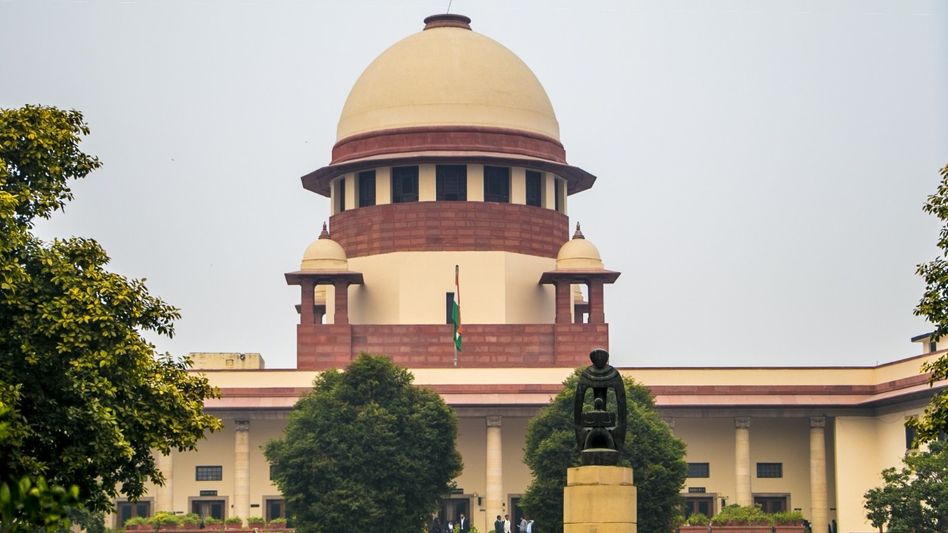
Challenging the High Court verdict, Bernard Lyngdoh Phawa approached the Supreme Court. In its judgment delivered on January 27, 2026, a division bench comprising Justice Sanjay Kumar and Justice K. Vinod Chandran ruled that a confession by itself is insufficient to sustain a conviction unless it is voluntary and supported by corroborative evidence. Finding the evidence weak and uncorroborated, the apex court set aside the conviction and ordered the release of the accused.
The Supreme Court also noted serious procedural lapses in the handling of the confessional statements. The bench observed that the confession was recorded on March 8, 2006, while the Magistrate’s signature was dated March 9, 2006, raising doubts about its validity. It further pointed out that the accused were not asked whether they required legal assistance at the time of recording their confessions.
The case had earlier drawn widespread public attention, similar to other high-profile murder cases, with strong public demand for swift justice. Biplab Das was the son of an Assam-based tea garden worker, and reports at the time had generated widespread sympathy.
The prolonged legal process saw the trial court take 13 years to deliver its judgment, followed by four more years for the High Court’s decision, before the matter was finally settled by the Supreme Court this month.
MORE NEWS












Copyright©2026 Living Media India Limited. For reprint rights: Syndications Today
