‘We are in a transition mode’: Meghalaya CM pushes for end to chemical fertilisers
Conrad K Sangma told the Meghalaya Assembly the state was moving to phase out chemical fertilisers. The push is being paired with price monitoring, inspections and a wider shift to organic and natural farming.


- Aug 27, 2026,
- Updated Aug 27, 2026, 2:52 PM IST

- Government is expanding bio-fertilisers, soil testing and organic certification efforts
- Cabbage prices rebounded to Rs 20-25 a kg after July slump
- State linked the July price crash to surplus supply and flooding
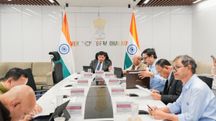
Meghalaya Chief Minister Conrad K Sangma on August 27 said the state was moving towards achieving the country’s widest coverage of organic farming, with the government working to reduce and eventually phase out the use of chemical fertilisers.
Speaking in the Assembly, Sangma said the government was promoting bio-fertilisers, soil testing and wider organic certification as part of the transition.
“We are in a transition mode, and we hope one day we will not have any chemical fertilisers,” he said, adding that the government’s approach was to discourage the use of chemical fertilisers rather than promote them.
The chief minister was responding to questions raised by Voice of the People Party president and Nongkrem MLA Ardent Miller Basaiawmoit on fertiliser availability and the prices of agricultural produce.
Sangma also addressed concerns over the sharp fall in cabbage prices, saying rates had recovered significantly after dropping to around Rs 2 per kg in July. Cabbage was now selling at about Rs 20-25 per kg, he said.
According to Sangma, the July price crash was part of a recurring pattern seen over the past decade and was largely linked to a surge in vegetable supplies from other northeastern states.
“We have always seen a dip in July,” he said, adding that the government was examining the entire supply chain, including markets in Guwahati and elsewhere.
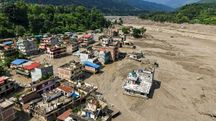
The chief minister said increased supplies, along with flooding, may have contributed to the fall in prices. However, he rejected the suggestion that the agricultural marketing system had collapsed based on a single day’s price movement.
The Assembly also witnessed a discussion over allegations that farmers were being compelled to purchase single super phosphate (SSP) at inflated prices.
Sangma said urea was being sold at Rs 266 per bag, while SSP was available at a subsidised rate of Rs 800, compared with its market price of Rs 1,200.
He acknowledged that attempts to exploit controlled supplies could occur but said the government was monitoring the situation and taking action against black marketing.
Agriculture and Farmers’ Welfare Minister Timothy D Shira said 129 inspectors were carrying out regular checks. Retailers have also been directed to display notified fertiliser prices and record every transaction on the Integrated Fertiliser Management System.
Sangma said 1,432 surprise inspections had been conducted and warned that licences of dealers found violating the rules would be cancelled. Shira urged farmers to report cases of overcharging through CM Connect.
Responding to allegations that fertilisers were being diverted to other states and Bangladesh, Shira said consumption in the Garo Hills remained relatively low and was largely restricted to the plains, where natural farming is widely practised.
The minister said fertiliser movement was being tracked through online systems and permits issued by the agriculture department.
Sangma said the government had also identified areas where fertilisers could be used, while restricting their use elsewhere as part of its broader push towards organic and natural farming.
“We want to discourage use of fertiliser,” the chief minister said.