
What is Exercise PRAGATI? Inside the military drill bringing together 13 nations in Meghalaya
In the hills of Meghalaya, soldiers from 13 nations arrived as representatives of different armies. After two weeks of training, planning and operating together, they leave with something more enduring, a stronger understanding of one another and a shared commitment to regional peace and security.
Advertisement

Priyanka Saharia
- Jun 02, 2026,
- Updated Jun 02, 2026, 7:31 PM IST
For nearly two weeks, the otherwise quiet Umroi Military Station in Meghalaya became a hub of multinational military cooperation as more than 400 soldiers from 13 countries trained, planned and operated together under a first-of-its-kind regional exercise hosted by the Indian Army.
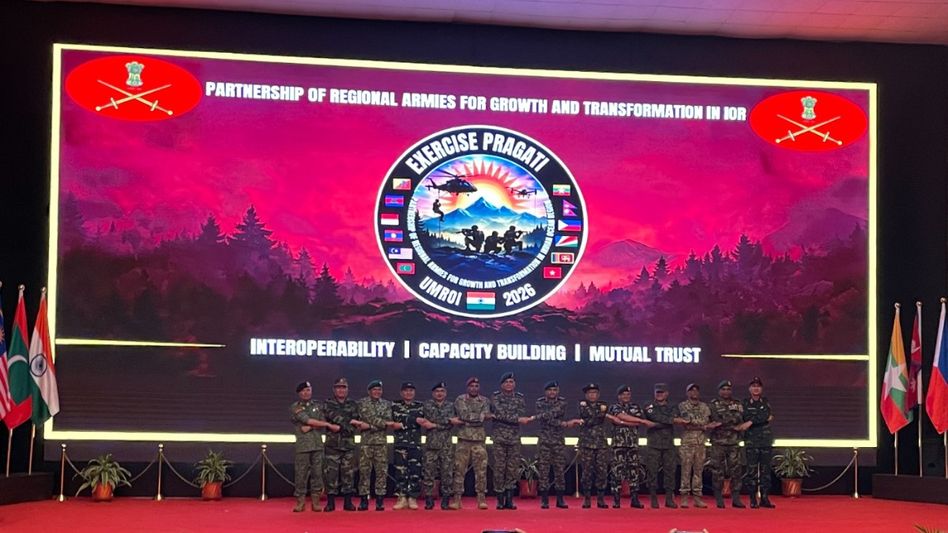
Exercise PRAGATI 2026, short for Partnership of Regional Armies for Growth and Transformation in the Indian Ocean Region, concluded on May 31 with a demanding 72-hour validation exercise that tested the ability of multinational teams to conduct counter-terrorism operations in semi-mountainous and jungle terrain.
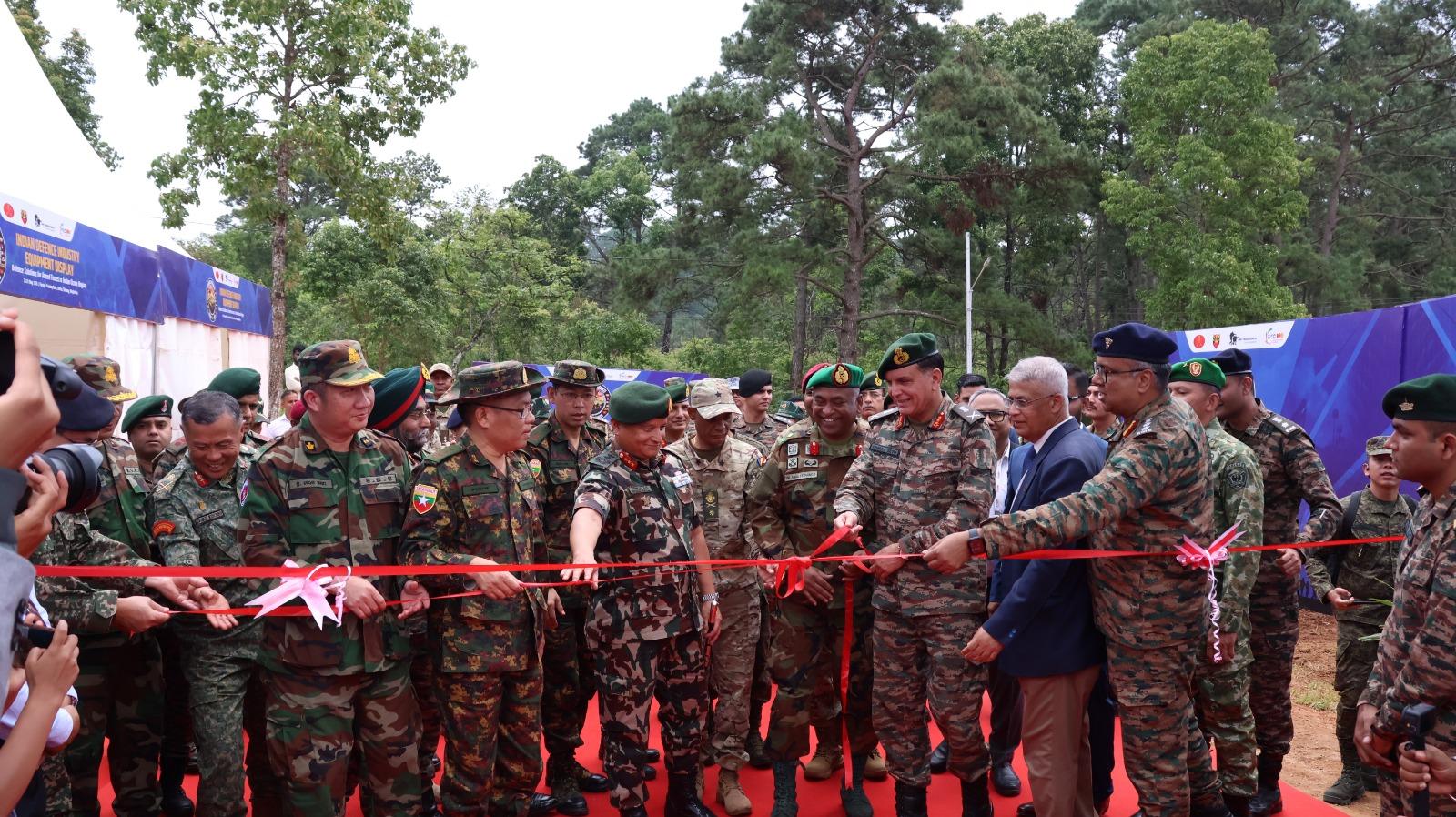
The maiden edition of the exercise brought together troops from India, Bhutan, Cambodia, Indonesia, Laos, Malaysia, Maldives, Myanmar, Nepal, the Philippines, Seychelles, Sri Lanka and Vietnam. The event was attended by six Vice Chiefs and over 40 senior military officials from participating countries, reflecting the growing emphasis on defence cooperation and collective security in the region.
But beyond the military drills, what exactly was Exercise PRAGATI designed to achieve?
According to military officials, the exercise was aimed at improving interoperability among participating armies, ensuring that troops from different countries can work together seamlessly during security operations, humanitarian missions or crisis situations.
Describing the exercise as a "mega engagement", Brig. Mayur Shekatkar, Chief Coordinator of Exercise PRAGATI, said the event provided a unique platform for soldiers from different countries to train together while building bonds of friendship and camaraderie.
Over the course of the exercise, troops participated in a wide range of specialised activities, including rock craft, improvised explosive device (IED) handling, heliborne operations, tactical drills and map-based planning exercises. Brig. Shekatkar said cultural interactions and wellness activities such as yoga also helped participants connect beyond the training ground.
"As we reach the culmination of this exercise, mixed contingents are operating together in the jungles and semi-mountainous terrain of Meghalaya. We hope to achieve the objective of enhancing interoperability, building mutual trust, understanding each other's practices and creating lasting bonds of friendship," he said.
Exercise Director Brig. Sandeep Punia said PRAGATI was conceived as a platform to strengthen friendship, trust and defence cooperation among neighbouring and friendly nations.
He said participants spent considerable time conducting joint planning sessions and operational discussions on how emerging technologies could be integrated into military operations. The exchange of ideas, tactics, techniques and procedures allowed participating armies to learn from each other's experiences and improve operational effectiveness.
"The aim is to create synergy, interoperability and mutual trust among friendly nations," Brig. Punia said.
The training itself focused heavily on modern counter-terrorism and counter-insurgency operations. Soldiers practised jungle warfare, ambush and counter-ambush drills, room and bus intervention procedures, casualty evacuation, slithering operations and coordinated tactical manoeuvres designed to replicate real-world operational challenges.
One of the most visually striking components of the exercise involved heliborne operations, where troops were inserted into simulated conflict zones by helicopter before carrying out coordinated missions on the ground. These drills were designed to test rapid deployment capabilities and joint operational planning among multinational contingents.
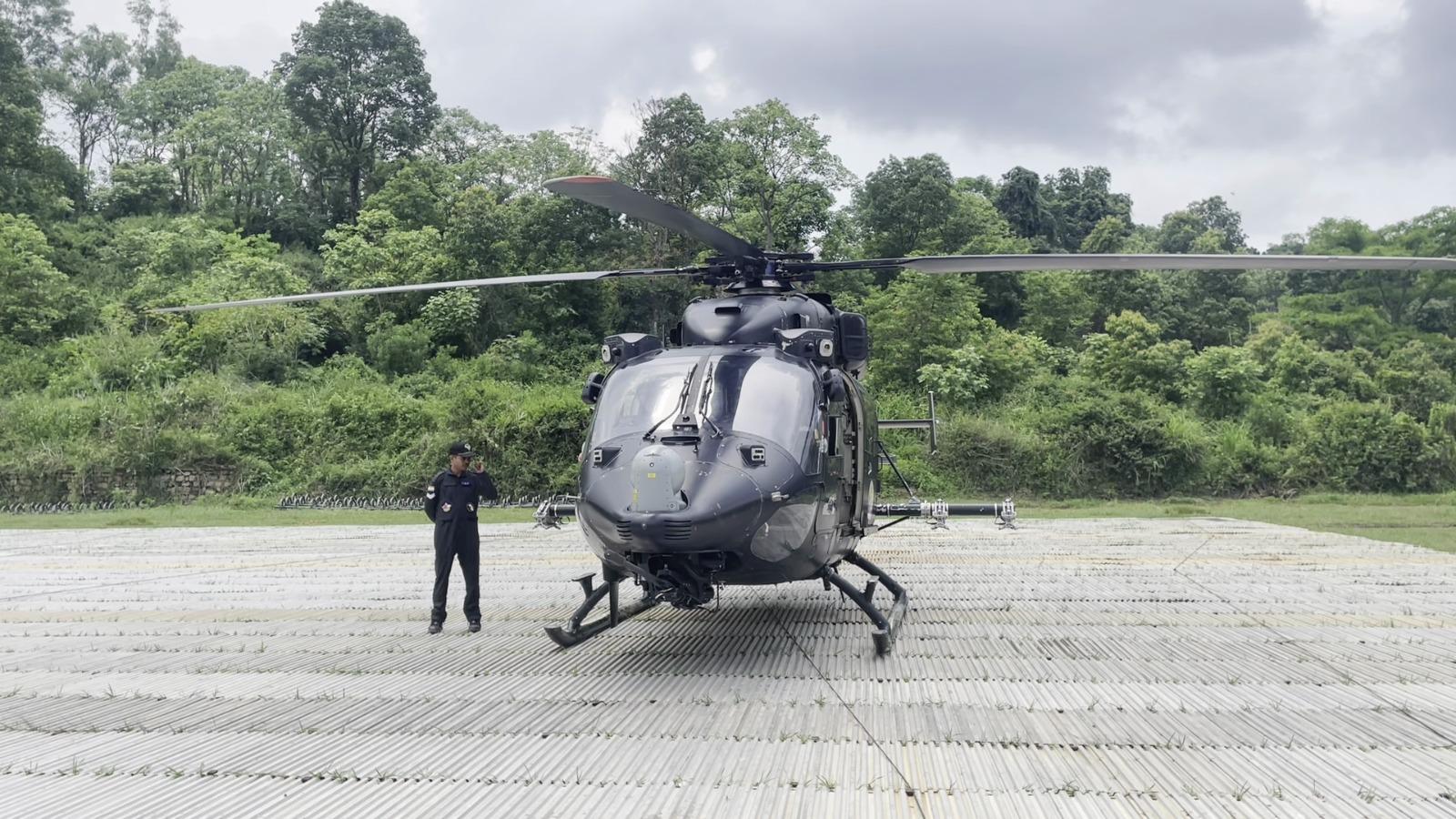
Military engineering and counter-IED training formed another key pillar of the exercise. Major Sushmita S. Variar of the Corps of Engineers said participating contingents shared engineering best practices while carrying out counter-IED drills, room intervention exercises and support operations linked to counter-insurgency and counter-terrorism missions.
She said operating in mixed groups exposed soldiers to different tactical approaches, equipment and operating procedures, significantly enhancing coordination among participating forces.
"Working alongside soldiers from friendly countries has improved our interoperability and strengthened our ability to respond to dynamic operational environments," she said.
Beyond tactical training, Exercise PRAGATI also served as a platform for fostering personal and professional relationships among soldiers from different nations. Participants lived, trained and worked together throughout the exercise, sharing experiences both on and off the training field.
Officials said cultural programmes, informal interactions and team-based activities helped create a spirit of camaraderie that complemented the demanding training schedule. Lt. Col. Louis Agathine of Seychelles expressed appreciation to India for hosting the exercise and facilitating meaningful exchanges among participating armies.
The final 72-hour validation phase brought together mixed contingents from all participating countries for simulated counter-terrorism operations across Meghalaya's rugged terrain. The exercise tested not only combat skills but also communication, planning and decision-making in a multinational environment.
Alongside the military drills, the Indian Army organised a defence equipment exhibition in collaboration with the Federation of Indian Chambers of Commerce and Industry (FICCI). The exhibition showcased indigenous defence technologies developed by 51 Indian companies, highlighting India's growing capabilities in defence design, manufacturing and innovation.
From drones, radars and surveillance systems to specialised military vehicles and perimeter security equipment, the exhibition provided participating nations with an opportunity to explore products developed under the Atmanirbhar Bharat initiative. Industry representatives also interacted with foreign military delegations, creating opportunities for future collaboration and defence exports.
Senior military officials said the exercise demonstrated how regional armies can work together to address common security challenges while strengthening mutual trust and understanding.
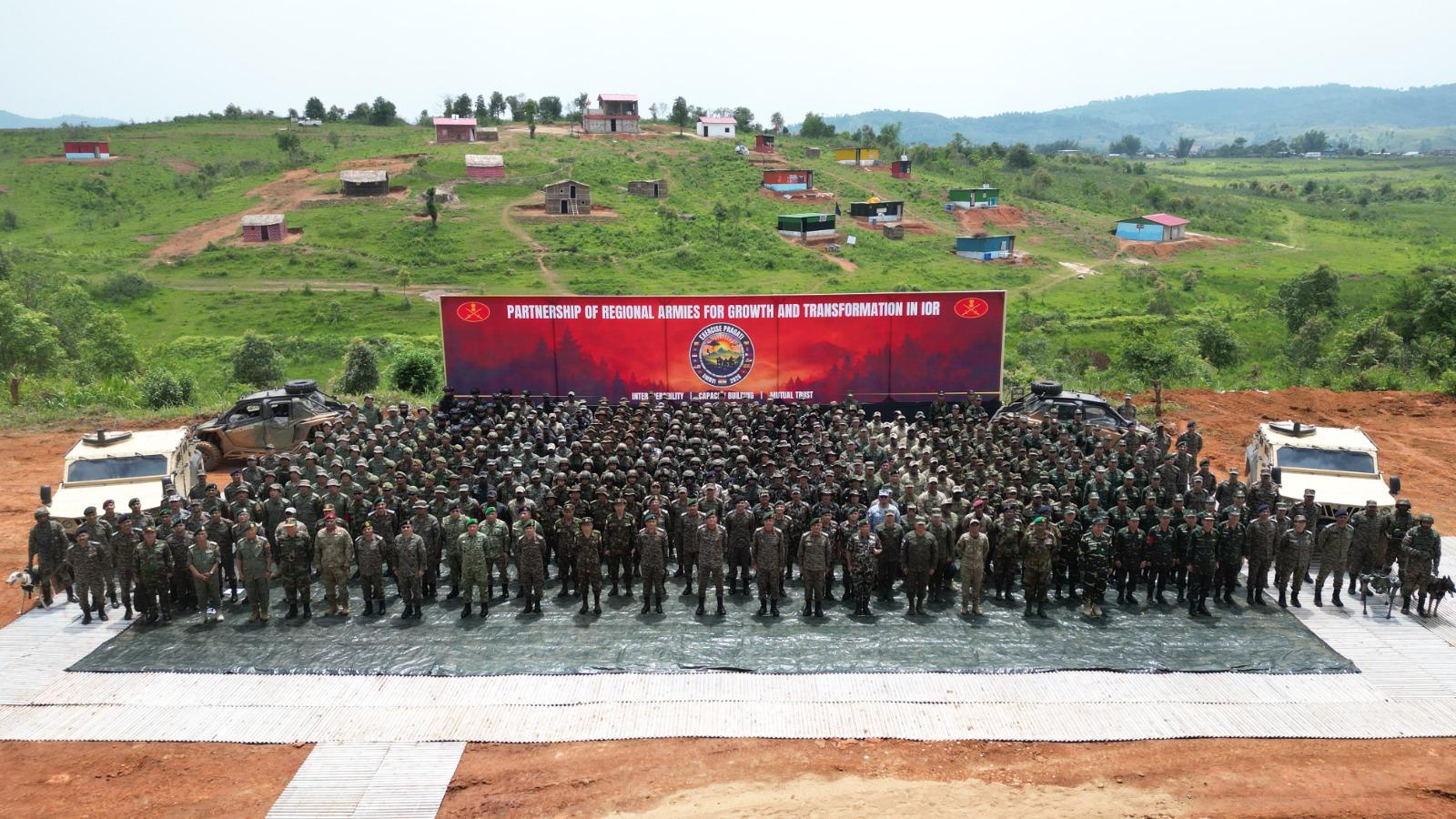
As the first edition of Exercise PRAGATI comes to a close, officials believe its significance extends far beyond military training. At a time when security threats increasingly transcend borders, the exercise has provided a platform for countries to share knowledge, build partnerships and develop the trust necessary for future cooperation.
In the hills of Meghalaya, soldiers from 13 nations arrived as representatives of different armies. After two weeks of training, planning and operating together, they leave with something more enduring, a stronger understanding of one another and a shared commitment to regional peace and security.
Watch our Youtube video here:
POST A COMMENT