39 Naga ancestral remains held in UK museum for a century to return to Nagaland on November 27
Thirty-nine Naga ancestral human remains, held at the University of Oxford’s Pitt Rivers Museum in the United Kingdom for more than a century, are scheduled to arrive in Nagaland on November 27, marking a significant milestone in the community’s efforts to reclaim its ancestral heritage.

- Nov 25, 2026,
- Updated Nov 25, 2026, 4:42 PM IST

Thirty-nine Naga ancestral human remains, held at the University of Oxford’s Pitt Rivers Museum in the United Kingdom for more than a century, are scheduled to arrive in Nagaland on November 27, marking a significant milestone in the community’s efforts to reclaim its ancestral heritage.
The Naga Tribes Hoho (NTH) and the Forum for Naga Reconciliation (FNR) will organise a homecoming programme in Dimapur on Saturday to honour the ancestors. The remains will subsequently be kept open for public viewing, homage, wreath-laying and prayers at the convention centre.
A public burial ceremony is scheduled to be held at Naga Solidarity Park in Kohima at 2 pm on November 30, the organisers said.
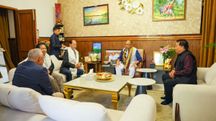
The Oxford University Council formally transferred custodianship of the 39 ancestral remains to the Naga people, through the NTH and FNR, at a ceremony held at the Pitt Rivers Museum on November 9, completing a major step in the repatriation process.
The remains were collected during the colonial period, primarily between 1910 and 1940, by John Henry Hutton and James Philip Mills, both colonial administrators and anthropologists. Historical records indicate that some were acquired under coercive circumstances, including during punitive military expeditions.
The repatriation initiative, facilitated by the FNR in collaboration with Naga tribal bodies and communities, began in 2020 following engagement with the museum over the return of the ancestral remains.
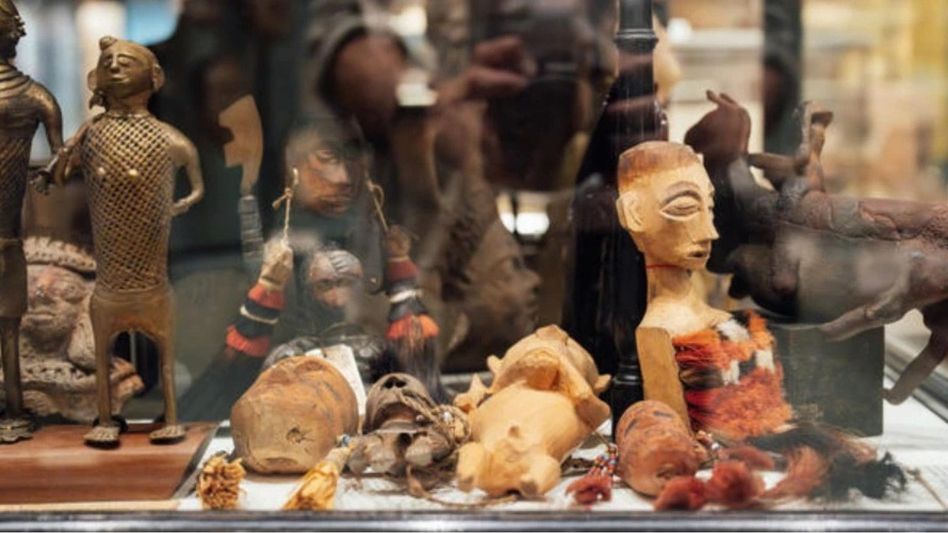
According to the Pitt Rivers Museum, it holds the world’s largest collection of Naga material, much of which was gathered by colonial administrators in the early 20th century. The museum removed all human remains from display in 2020.
Its wider Naga collection comprises several thousand objects. Of these, 219 are listed as Naga human remains — including 39 ancestral human remains, primarily skulls, and 178 objects containing or potentially containing human hair. The current repatriation concerns the 39 ancestral remains.
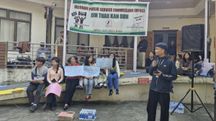
The NTH and FNR, in partnership with the Naga Students’ Federation and the Naga Peoples’ Movement for Human Rights, have invited Naga individuals, organisations and friends of the Naga people to participate in the homecoming and burial ceremonies.
Describing the occasion as a solemn moment of closure and restoration, the organisations expressed hope that the return and burial of the ancestors would contribute to healing, reconciliation and unity among the Naga people.