Five lakh Nagaland voters may get notices over SIR mapping discrepancies
Nearly five lakh voters in Nagaland are likely to receive notices from electoral authorities over discrepancies in mapping their details with the 2005 electoral roll as part of the ongoing Special Intensive Revision (SIR).

- Sep 21, 2026,
- Updated Sep 21, 2026, 6:43 PM IST

Nearly five lakh voters in Nagaland are likely to receive notices from electoral authorities over discrepancies in mapping their details with the 2005 electoral roll as part of the ongoing Special Intensive Revision (SIR).
Addressing a press conference in Kohima on September 21, Additional Chief Electoral Officer Awa Lorin said 9.33 per cent of electors fell under the ‘no mapping’ category, while 27.31 per cent were classified as having mapping anomalies. Together, the two categories account for 36.64 per cent of electors.
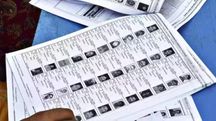
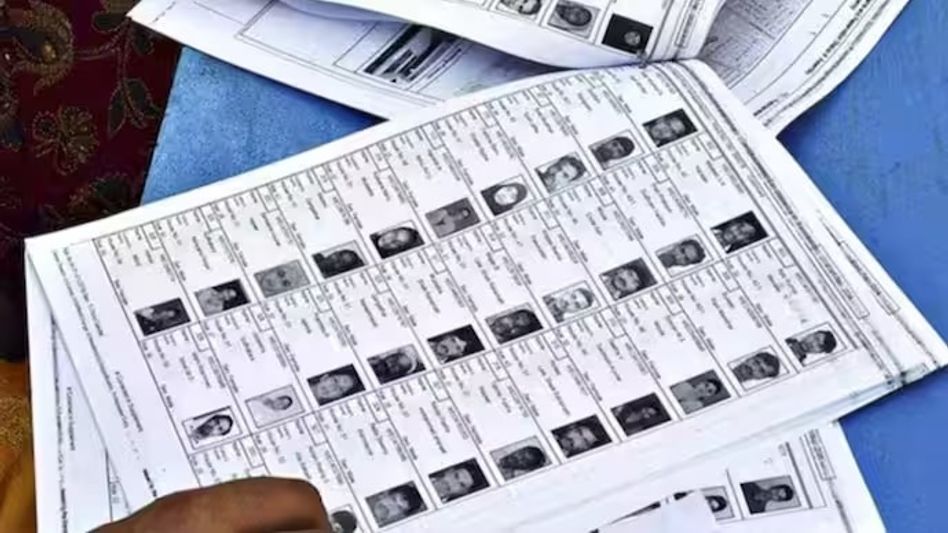
The draft electoral roll under the SIR was published on September 20, with nearly 1.59 lakh names excluded from the existing electoral roll of 13,57,208 voters.
Lorin said electors whose names could not be mapped to the 2005 electoral roll, or those unable to establish themselves as the progeny of a person included in the 2005 roll, would receive notices from Electoral Registration Officers (EROs) and Assistant Electoral Registration Officers (AEROs).
Such electors will have to produce prescribed documents before the concerned authorities. The number of documents required will depend on the elector’s date or year of birth.
“If they are satisfied with your claim and your documents, then your name will continue to appear in the final roll,” Lorin said.
He added that failure to substantiate a claim or submit the required documents could result in the elector’s name being left out of the final electoral roll, which is scheduled to be published on November 22.
Lorin clarified that a person whose name was not present in the 2005 electoral roll would not be automatically excluded from the current electoral roll. Such electors can establish a linkage with a person included in the 2005 roll or, where applicable, enrol afresh during the claims and objections period.
Chief Electoral Officer Bhagyashree Banayat said the claims and objections period, which began on September 20 and will continue until October 20, provides an opportunity for genuine electors whose names were inadvertently left out of the draft roll to seek inclusion.
Eligible applicants can submit Form-6, along with the prescribed declaration and supporting documents. The same process is available to new eligible voters, including those who turned 18 by the qualifying date of October 1, 2026.
To facilitate verification, Lorin said hearing camps would be conducted by EROs at their headquarters, district headquarters or, where required, at the polling-station level.
The verification exercise is scheduled to be completed by November 18, ahead of the final publication of the electoral roll.
Lorin said SIR-related forms and information are available through Booth Level Officers (BLOs), election offices and the Chief Electoral Officer’s website. Applications can also be submitted online.
Aadhaar submission optional
On Aadhaar details being sought in SIR enumeration forms, Banayat clarified that submission of Aadhaar numbers is optional and that Aadhaar by itself does not constitute proof of citizenship.
She said Aadhaar seeding was not being carried out in the electoral roll and that providing Aadhaar and mobile-number details through the enumeration form was voluntary.
Nearly 1.59 lakh entries flagged
Banayat said the SIR exercise identified nearly 1.59 lakh entries as belonging to deceased electors, persons who were absent or had shifted, or electors enrolled at multiple locations.
Of the 13,57,208 electors covered during the enumeration phase from August 16 to September 14, 11,99,456 electors, or 88.38 per cent, submitted their Enumeration Forms, she said.
The exercise identified:
29,944 deceased electors — 2.13 per cent
1,23,749 absent, permanently shifted or other cases — 9.12 per cent
5,059 electors enrolled at multiple places — 0.37 per cent
Banayat said the absent, shifted and other category includes electors who have become voters in other states or Union Territories, could not be located, failed to submit their forms by September 14, or were unwilling to register.
Names found to be enrolled at multiple locations will be retained at only one place, she said.
Among districts, Dimapur recorded the highest number of uncollectable Enumeration Forms at 36,629, followed by Choumoukedima with 28,626, Kohima with 24,178 and Wokha with 11,500.
A total of 3,297 electors had not returned their Enumeration Forms, according to the electoral authorities.