After decades in museum custody, 39 Naga ancestors set for burial in Kohima
The University of Oxford has returned the remains of 39 Naga ancestors held for over a century. The repatriation advances community-led efforts towards healing, reconciliation and a dignified common burial.

- Nov 10, 2026,
- Updated Nov 10, 2026, 3:11 PM IST

- Oxford formally handed remains to FNR and Naga Tribe Hoho
- Title transfer was signed and witnessed by designated Naga representatives
- Colonial violence testimony underscored calls for forgiveness, reconciliation and healing
The University of Oxford has returned the ancestral remains of 39 members of the Naga community, which had been held at its Pitt Rivers Museum for more than 100 years, marking a significant step towards addressing the colonial-era collection of human remains.
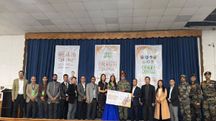
The remains were formally handed over to the Forum for Naga Reconciliation (FNR) and the Naga Tribe Hoho at a ceremony held at the museum on Monday. They have since been moved from Oxford and will be transported to Nagaland, according to an FNR statement issued on Tuesday.
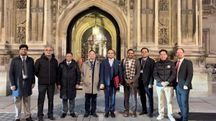
The transfer of title document was signed by Pitt Rivers Museum Director Professor Laura Van Broekhoven and FNR representative Rev Dr Wati Aier. Visier Sanyu, representing the FNR, and Thejao Vihienuo, representing the Naga Tribe Hoho, witnessed the signing.
Addressing the ceremony, University of Oxford Vice-Chancellor Professor Irene Tracey described the repatriation as a historic moment in the relationship between the university and the Naga people. She said the initiative reflected a community-led effort towards reconciliation, healing and peace, the FNR statement said.
Sanyu highlighted the violence inflicted on Naga communities during British colonial rule, recounting how colonial forces had burnt down his own village. Stressing the need for forgiveness and reconciliation, he quoted late Naga peace activist Niketu Iralu: "Hate not transformed is transferred".
Vihienuo, president of the Angami Public Organisation, said the return of the remains represented the Naga people's right to care for their ancestors. He also called for all Naga ancestral remains held in museums to be returned to their homeland with dignity.
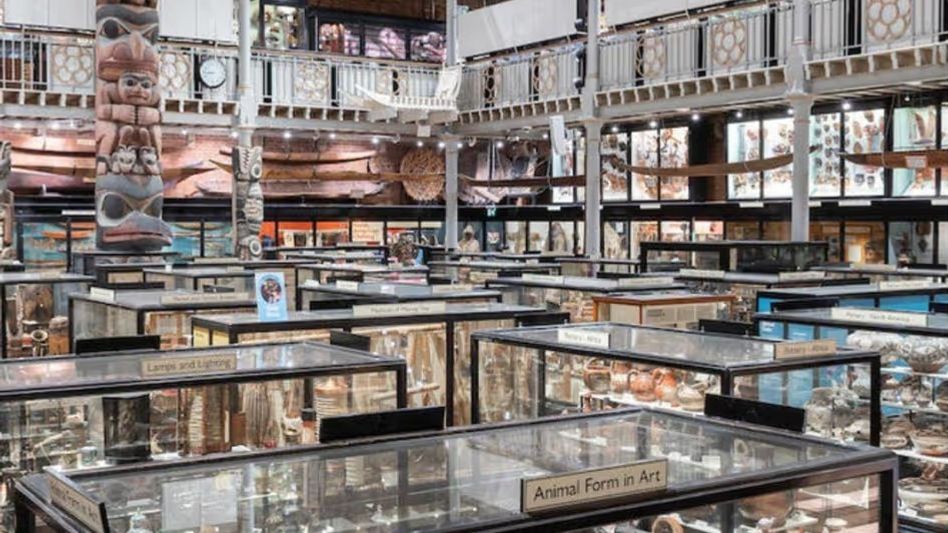
The remains were part of the collections at the Pitt Rivers Museum, established in 1884, which houses cultural objects and artefacts from across the world.
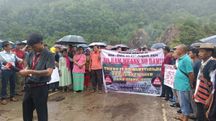
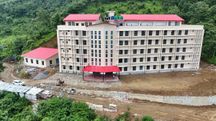
Meanwhile, preparations are underway to provide the ancestral remains with a common burial place at Naga Solidarity Park in Kohima. The park's management committee has earmarked a designated site for the purpose.
A prayer service was recently held at the park to formally begin preparations for the proposed burial site, committee convenor Vipopal Kintsi said.
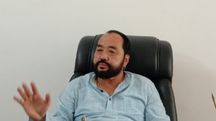
He said the burial would provide a shared resting place for the remains and serve as an opportunity to promote healing, reconciliation and unity among the Naga people.
Kintsi added that the homecoming should go beyond historical and tribal divisions and reinforce a collective Naga identity.