Church body renews clean election campaign against vote-buying in Nagaland
The NBCC has renewed its Clean Election Movement in Nagaland, urging voters to reject inducements and coercion. Church leaders said the effort must go beyond awareness drives and build support for ethical and accountable elections.

- Aug 28, 2026,
- Updated Aug 28, 2026, 8:45 PM IST

- Rev. Mar Pongener said public resistance shows entrenched electoral practices can change
- He linked electoral corruption to changing attitudes towards money, power and leadership
- Votes traded for gifts can turn elections into transactions, Pongener warned
The Nagaland Baptist Church Council (NBCC) on August 28 renewed its campaign against vote-buying, coercion and other electoral malpractices, urging citizens to view voting as both a civic duty and a moral responsibility.
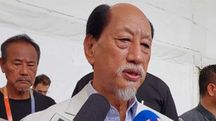
Launching the Clean Election Movement (CEM), NBCC general secretary Rev. Mar Pongener said the initiative was a continuation of the council’s efforts to promote ethical and responsible elections in Nagaland.
Pongener acknowledged the widespread belief that clean elections were not possible in the state, but said growing public awareness and resistance to established practices indicated that change was possible.
He said electoral corruption was rooted partly in changing attitudes towards money, leadership, power and public responsibility. When voters seek money, gifts or personal benefits in exchange for their votes, he said, elections risk becoming transactions rather than a means of choosing accountable leaders.
Pongener also warned that the consequences of corrupt elections extended beyond polling day, contributing to corruption, favouritism, nepotism, misuse of public resources, weak accountability and declining public trust.
He called on churches to educate voters against selling their votes and urged citizens to reject cash, gifts, alcohol, favours and other inducements offered during elections.
“Clean election begins in our hearts, homes, churches, and communities,” he said, while stressing that churches must also uphold integrity within their own institutions.
Pongener said the campaign needed to move “from programmes to a movement”, arguing that awareness drives alone would not be enough to change electoral practices.
NBCC social concern department secretary Villo Naleo described the CEM as a non-partisan civic and moral movement focused on encouraging ethical, transparent and democratic participation in elections.