Naga ancestral remains to be kept at Solidarity Park for public viewing for 2-3 days before burial
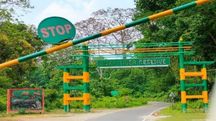
More than 39 sets of Naga ancestral remains, taken from the region over a century ago and kept at the Pitt Rivers Museum at the University of Oxford in the United Kingdom, will be displayed at Solidarity Park in Nagaland for two to three days before being laid to rest, a member of the Forum for Naga Reconciliation (FNR) said.

- Nov 12, 2026,
- Updated Nov 12, 2026, 8:32 AM IST

More than 39 sets of Naga ancestral remains, taken from the region over a century ago and kept at the Pitt Rivers Museum at the University of Oxford in the United Kingdom, will be displayed at Solidarity Park in Nagaland for two to three days before being laid to rest, a member of the Forum for Naga Reconciliation (FNR) said.
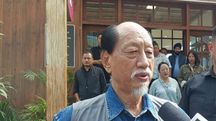
Dr Visier Sanyü, an FNR member, said two programmes would be organised to mark the return of the ancestral remains — a homecoming ceremony followed by a burial ceremony.
Speaking in Dimapur, Sanyü expressed gratitude to the Naga Students' Federation (NSF) and the Naga People's Movement for Human Rights for donating land to serve as the final resting place for the remains.
He said the remains would be kept at Solidarity Park for public viewing for around two to three days, allowing people to pay their respects before the burial.
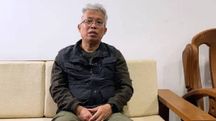
Dr Ellen Konyak Jamir, coordinator of Recover, Restore and Decolonise (RRaD), says, "Repatriation is asserting the Naga right to ancestral human remains. Remains that have been in others' custody for more than 100 years, and now they are ours.... Repatriation, as a process, has really opened up an opportunity for the museum as well as the Naga people to address our historical difficulties... It has been a sustained process of continuous dialogue..."
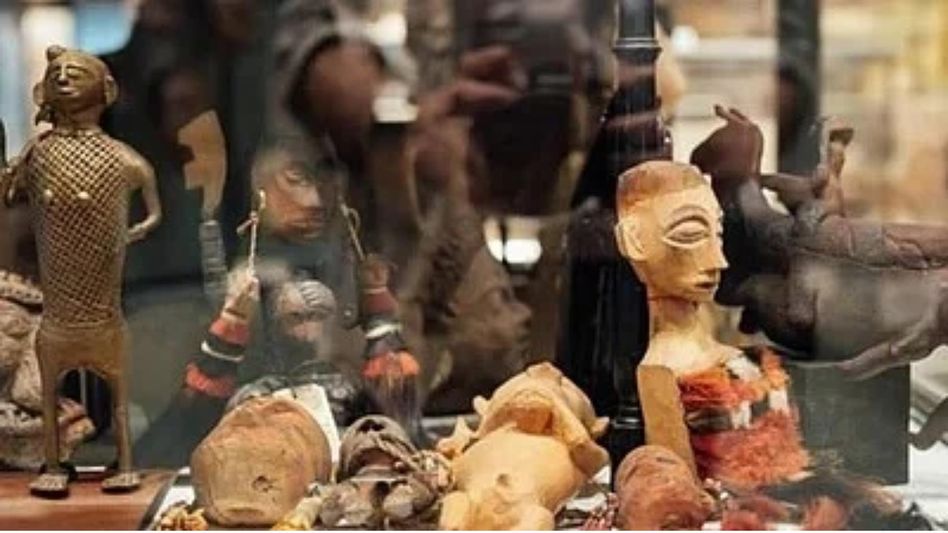
The Pitt Rivers Museum has formally handed over more than 39 sets of Naga ancestral remains to facilitate their return to Nagaland. The repatriation follows efforts by Naga organisations and representatives to bring ancestral remains held in overseas museums back to their homeland.
The Naga ancestral remains were taken from the region during the colonial period, more than 100 years ago, and subsequently became part of the collections of the Pitt Rivers Museum in Oxford, UK.
Their return is part of a wider effort to address the colonial-era collection and removal of human remains from indigenous communities and to restore the dignity of ancestors through repatriation and culturally appropriate burial.
For the Naga people, the return carries cultural, historical and emotional significance, as it provides an opportunity to bring ancestors back to their homeland and accord them the final rites in accordance with their traditions.
The planned homecoming and burial ceremonies are expected to provide an occasion for the Naga community to collectively pay tribute to their ancestors.