Nagaland defers FNTA Bill after Centre flags concerns
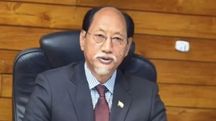
The Frontier Nagaland Territorial Authority Bill, 2026 was deferred to the next emergent session of the Nagaland Legislative Assembly following a request by Chief Minister Neiphiu Rio to allow further examination of its provisions.

- Mar 27, 2026,
- Updated Mar 27, 2026, 6:25 PM IST

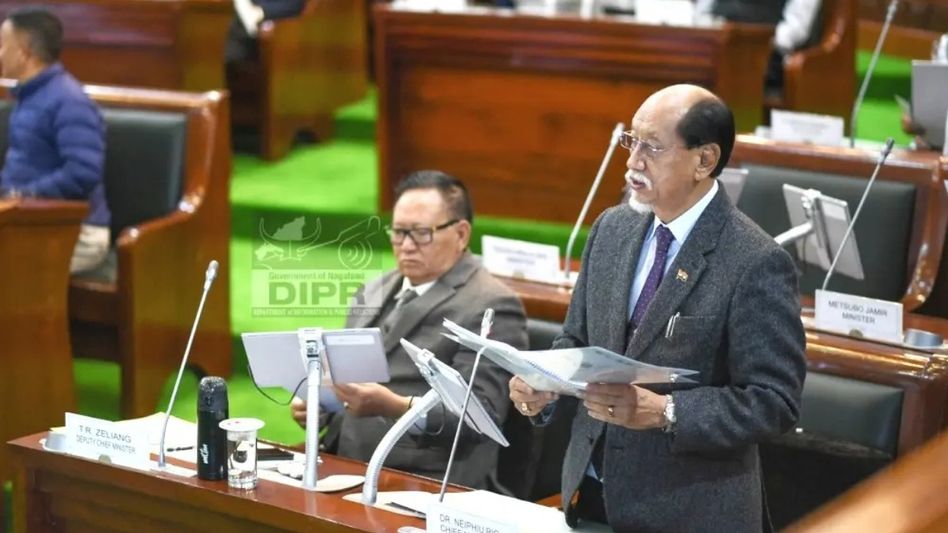
The Frontier Nagaland Territorial Authority Bill, 2026 was deferred to the next emergent session of the Nagaland Legislative Assembly following a request by Chief Minister Neiphiu Rio to allow further examination of its provisions.
The Bill, introduced by Deputy Chief Minister Yanthungo Paton on March 26, was scheduled for consideration and passage the following day. However, the decision to defer came after a request from the Government of India, along with appeals from the Eastern Nagaland Peoples’ Organisation and the Eastern Nagaland Legislators Union, seeking more time to ensure the Bill aligns with the Memorandum of Agreement (MoA) signed on February 5, 2026.
The Union Ministry of Home Affairs has indicated that the issue of granting legislative powers to the proposed Frontier Nagaland Territorial Authority (FNTA) remains under examination, with the opinion of the Solicitor General of India being sought. The state government has been advised to proceed further only after receiving the Centre’s views.
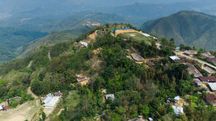
Chief Minister Rio informed the House that while the government fully recognises the aspirations of Eastern Nagaland for a self-governing institutional arrangement, legal and constitutional clarity is essential before moving forward. He emphasised that the proposed FNTA aims to address longstanding developmental gaps in six eastern districts—Tuensang, Mon, Longleng, Kiphire, Noklak, and Shamator—by enabling focused socio-economic growth.
The FNTA, once established, is expected to function as a special self-governing body with its own planning and financial framework, supported by both state and central funding. However, concerns have been raised over the constitutional feasibility of granting legislative powers to such an authority through state law.
Meanwhile, concluding discussions on the State Budget 2026–27 during the Assembly session, Rio highlighted the government’s commitment to fiscal discipline, transparency, and inclusive development. He pointed to financial challenges, including the absence of revenue deficit grants under the Finance Commission, and said the matter has been taken up with the Centre.
The Chief Minister outlined priorities such as infrastructure development, employment reforms, and tackling substance abuse through enforcement and community-based initiatives. He also noted that the government is reviewing the Nagaland Liquor Total Prohibition Act, considering varying public opinions and enforcement challenges.
Reaffirming the state’s development vision aligned with “Viksit Bharat 2047,” Rio said the budget focuses on human capital, infrastructure, and equitable growth across all districts, with particular emphasis on youth and women.