Nagaland partners with WRI India to deploy energy access explorer for clean energy planning
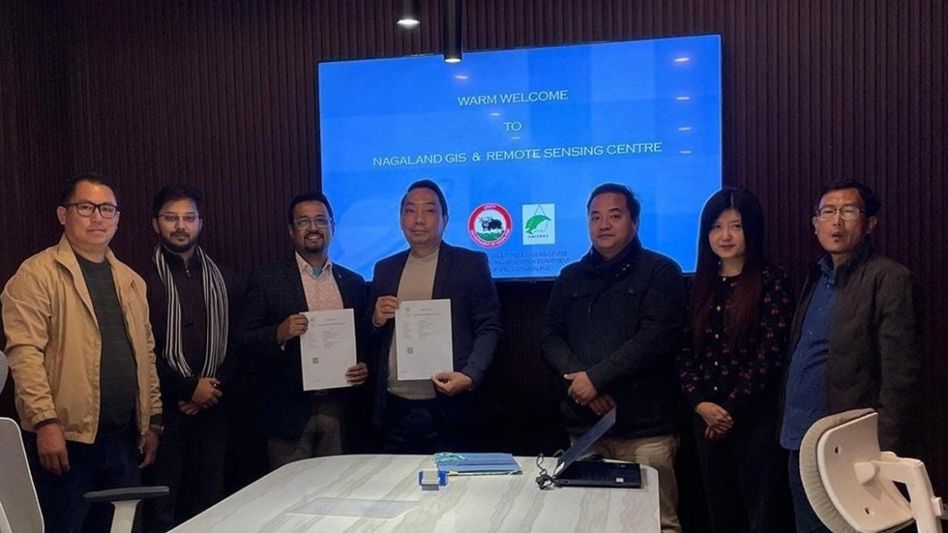
In a significant step towards strengthening evidence-based planning for clean and reliable energy, the Nagaland GIS and Remote Sensing Centre (NGISRSC) and WRI India signed a Memorandum of Understanding on January 7, 2026, at the NGISRSC headquarters in Kohima.

- Jan 09, 2026,
- Updated Jan 09, 2026, 3:24 PM IST

In a significant step towards strengthening evidence-based planning for clean and reliable energy, the Nagaland GIS and Remote Sensing Centre (NGISRSC) and WRI India signed a Memorandum of Understanding on January 7, 2026, at the NGISRSC headquarters in Kohima.
The partnership aims to enhance the state’s capacity to identify and prioritise areas for sustainable energy interventions through the adoption of the Energy Access Explorer (EAE), an open-source, interactive geospatial platform.
Under the collaboration, NGISRSC and WRI India will jointly deploy the Energy Access Explorer to support inclusive and climate-resilient energy planning in Nagaland. The platform enables the integration of energy demand, infrastructure, socio-economic indicators and climate data, allowing decision-makers to pinpoint regions where clean energy solutions can deliver maximum impact. EAE is recognised as the first digital public good dedicated specifically to advancing climate-friendly energy transitions.
Speaking on the occasion, Senior Project Director of NGISRSC, Er. Mhathung Kithan, said the MoU represents the next phase of an evolving partnership with WRI India. He noted that the collaborative framework reinforces transparency, shared responsibility and long-term impact, particularly in advancing inclusive and sustainable development planning across the state.
Bharath Jairaj, Executive Director of the Energy Program at WRI India, highlighted the transformative potential of the Energy Access Explorer in translating policy intent into informed action. He said the platform not only supports the expansion of energy access but also provides a strategic pathway for decarbonising critical public infrastructure, especially in the health and education sectors, through decentralised renewable energy systems. According to him, this approach aligns closely with Nagaland’s development priorities while contributing to India’s national targets of sourcing 50 percent of its energy from renewables by 2030 and achieving net-zero emissions by 2070.
The Energy Access Explorer was first launched in Nagaland in July 2023 and has since been developed for other states including Assam, Jharkhand and Mizoram. Designed for use by planners, entrepreneurs, government agencies and institutions, the platform is expected to play a key role in shaping data-driven, equitable and sustainable energy solutions across the region.