Nagaland’s 1979 captured through Japanese photographer Yuzo Morita’s rare photographs
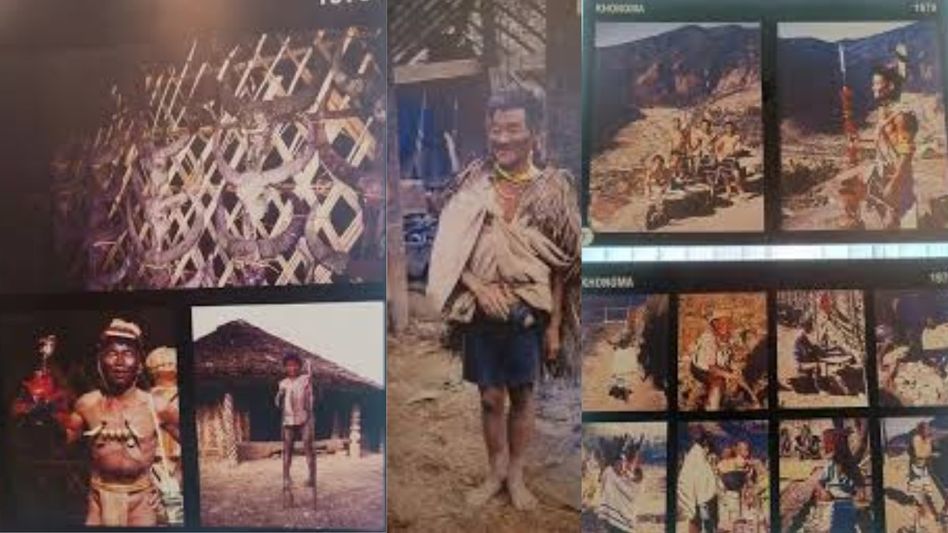
More than four decades after Japanese ethnographic photographer and ethnologist Yuzo Morita travelled across Nagaland, rare photographs from his 1979 journey are offering visitors a glimpse into the state's people, traditions, landscapes and everyday life.

- Sep 16, 2026,
- Updated Sep 16, 2026, 6:48 PM IST

More than four decades after Japanese ethnographic photographer and ethnologist Yuzo Morita travelled across Nagaland, rare photographs from his 1979 journey are offering visitors a glimpse into the state's people, traditions, landscapes and everyday life.
The photographs are being showcased at a four-day exhibition titled “Time Travel to Nagaland, 1979: A Japanese Photographer's Record of Life and Tradition”, inaugurated at the State Museum of the Directorate of Art & Culture in Kohima.
The exhibition provides a visual record of Nagaland at a particular point in its history, documenting communities and cultural practices that have since changed, evolved or continued.
Advisor for Art & Culture and Treasuries & Accounts K Konngam Konyak, who attended the inauguration as the special guest, described the exhibition as an opportunity to revisit Nagaland through Morita's photographs and reconnect with the state's cultural memory.
The exhibition has been organised by the Nagaland State Museum, Department of Art & Culture, in collaboration with the National Museum of Ethnology (NMoE), Osaka, Japan.
The initiative follows a statement of cooperation signed between the two institutions on August 5, 2025, aimed at strengthening cultural exchange, research, documentation and knowledge sharing.
The NMoE, popularly known as Minpaku, was established in 1974 and houses around 345,000 ethnological items representing cultures and societies from across the world. Its collection includes around 250 artefacts related to the Naga people, including shawls, necklaces, headdresses and other ornaments.
Officials said some of these artefacts were presented to Morita by people he met during his 1979 journey through Nagaland.
The programme also saw the launch of the Database of Naga Collection at NMoE, Osaka, and the Digital Archives of Morita's Photography Collection, making the material more accessible to researchers, students and future generations.
Director of Art & Culture Adela Moa said the initiative emerged from discussions between the department and NMoE on cooperation in areas including Naga culture, exhibitions, documentation and academic research.
A team from Nagaland subsequently visited the Osaka museum, where officials worked on identifying artefacts and contributed to the development of the Naga collection database.
The process took around six months and, according to Moa, became an opportunity to document cultural heritage while also strengthening academic and cultural ties between Nagaland and Japan.
Emi Okada, Associate Professor at NMoE, said Morita's 1979 photographs had now been digitised and made available through the new archive.
She said the exhibition would allow visitors to revisit Nagaland's cultural life of the period while recognising traditions that continue to be cherished today.