NSCN-IM reiterates Framework Agreement as sole basis for Naga political solution
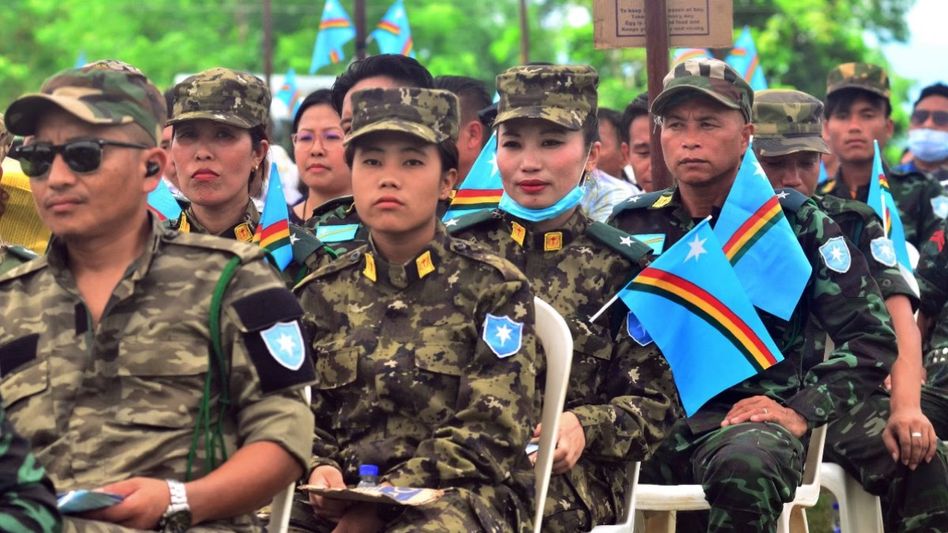
Marking the 10th anniversary of the signing of the Framework Agreement, the NSCN-IM on August 3 reaffirmed that the 2015 accord with the Government of India remains the sole basis for resolving the Naga political issue, while accusing New Delhi of delaying the final settlement.

- Aug 03, 2026,
- Updated Aug 03, 2026, 10:38 PM IST

Marking the 10th anniversary of the signing of the Framework Agreement, the NSCN-IM on August 3 reaffirmed that the 2015 accord with the Government of India remains the sole basis for resolving the Naga political issue, while accusing New Delhi of delaying the final settlement.
In a commemorative address issued from the organisation’s Council Headquarters at Hebron, NSCN-IM Chairman Q Tuccu paid tribute to late leaders Isak Chishi Swu and Th Muivah, along with other leaders and members of the Naga movement, crediting their leadership and sacrifices for bringing the Naga political issue to the level of negotiations with the Prime Minister of India.
The Framework Agreement was signed on August 3, 2015, between the Government of India and the NSCN-IM, marking a major milestone in the decades-long Naga peace process. However, a final political settlement has yet to be reached even after a decade.
Tuccu said the agreement recognised the Nagas’ “unique history of independence” and acknowledged the Naga national entity. He claimed that the accord envisaged a new relationship between the Nagas and India based on peaceful coexistence.
Seeking to address what he described as misconceptions surrounding the agreement, the NSCN-IM chairman maintained that the Framework Agreement recognised the political identity of the Nagas and their rights over land and natural resources.
He further asserted that the agreement envisaged political arrangements for Naga-inhabited areas outside Nagaland, including the proposed Naga Regional Territory Council (NRTC), pending a final resolution of the issue of Naga territorial integration.
“The Framework Agreement embraces all Nagas and all Naga political groups,” Tuccu said, warning that any attempt to pursue a political settlement outside its framework would be “a futile exercise”.
Expressing concern over the lack of progress since the agreement was signed, Tuccu alleged that the Government of India had deliberately delayed the finalisation of the political settlement and was attempting to interpret the provisions of the agreement according to its own interests.
He also accused certain “paid writers” and “propagandists” of spreading misinformation and creating confusion over the contents and significance of the Framework Agreement.
Reiterating the NSCN-IM’s position, Tuccu said the organisation remained committed to the issues of “Naga sovereignty, territorial integration, national identity and the Framework Agreement”.
He asserted that the organisation would not allow the agreement to be undermined and called upon all NSCN-IM cadres, Naga political groups and the Naga people to remain united against what he termed divisive forces.
On the unresolved issues of a separate Naga national flag and constitution, Tuccu said the matters should be settled through bilateral negotiations between the Government of India and the NSCN-IM, maintaining that both were integral to a comprehensive political settlement.
He also alleged that certain sections within the establishment were attempting to derail the peace process through prolonged delays. Tuccu further accused the Centre of encouraging what he termed “surrogate Kuki mercenary forces” against the Nagas.
Calling for unity among Naga groups and communities, the NSCN-IM chairman urged the Naga people to remain steadfast in their political journey and continue the movement with faith and collective resolve.
The Framework Agreement, signed in the presence of Prime Minister Narendra Modi in 2015, was expected to pave the way for a lasting resolution to the decades-old Naga political issue. However, negotiations have remained deadlocked over several key demands, including the separate Naga flag and constitution, with a final peace accord yet to be concluded.