Oxford to return remains of 39 Naga ancestors to Nagaland
The Pitt Rivers Museum in Oxford is working with Naga representatives to finalise the date for the handover of the remains of 39 Naga ancestors, paving the way for their return to Nagaland after decades in the museum’s collection.

- Sep 08, 2026,
- Updated Sep 08, 2026, 9:55 PM IST

The Pitt Rivers Museum in Oxford is working with Naga representatives to finalise the date for the handover of the remains of 39 Naga ancestors, paving the way for their return to Nagaland after decades in the museum’s collection.
A Naga delegation from India is also being planned to accompany the ancestral remains on their journey home.
The University of Oxford approved the return of 39 of the 40 ancestral remains claimed by the Forum for Naga Reconciliation (FNR) in February this year. The Oxford University Council approved the repatriation on July 13, while declining the return of one remain on the grounds that it did not have a clear provenance as Naga.
The Pitt Rivers Museum said it has been working with the FNR and the Recover, Restore and Decolonise (RRaD) team since 2020, along with Naga tribal Hohos, elders, churches and communities across the Naga homeland, to determine how the ancestors should be cared for and returned.
Museum director Professor Laura Van Broekhoven said the process had grown into a Naga-wide movement focused on healing and unification.
She said she felt honoured to have worked alongside Naga representatives to find a path for the return of the 39 ancestors, who had been away from their homeland for too long.
Following the handover ceremony, the remains will travel to Nagaland with a Naga delegation comprising leaders and elders of several tribal Hohos, as well as members of the FNR and RRaD.
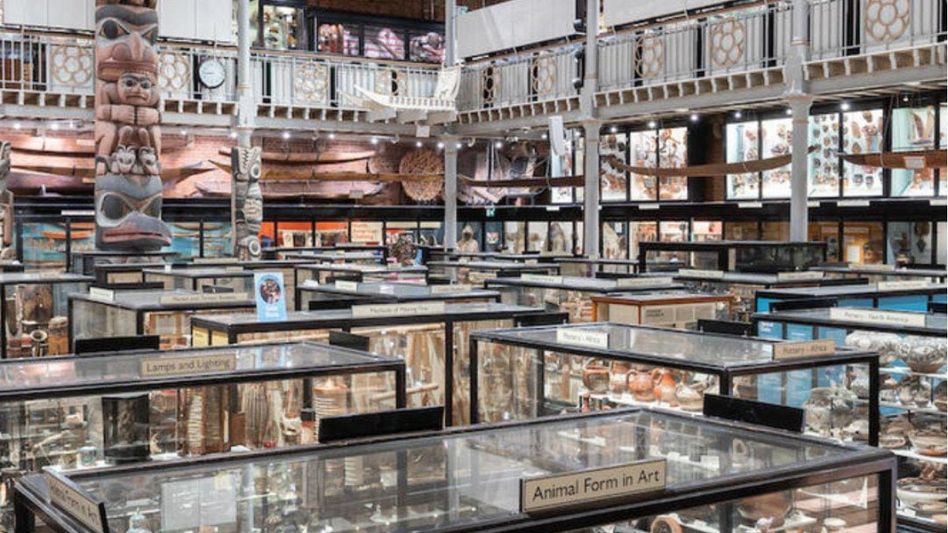
The remains had remained on display at the Pitt Rivers Museum until 2020, when all human remains were removed from display.
The museum houses the world’s largest collection of Naga material, much of it collected by British colonial administrators during the early 20th century. Official records show that the first Naga ancestral remains were given to the museum more than a century ago by John Henry Hutton, a colonial administrator and anthropologist.
Much of the collection was subsequently brought to Oxford by Hutton and fellow administrator-anthropologist James Philip Mills between 1910 and 1940.
The Naga-Oxford Declaration describes the repatriation as a collective effort to provide the ancestors with a dignified rest and establish a monument of healing and peace symbolising the unity of the Naga people.
The return is being supported by the Homebound Project, which funds the repatriation of ancestral remains and cultural belongings from UK institutions to Indigenous communities.
The planned handover will mark the return of 39 Naga ancestral remains from Oxford to Nagaland following years of consultations between Naga organisations and the university.