‘Are investigators taking shortcuts?’ SC Justice Ujjal Bhuyan flags rise in custodial deaths
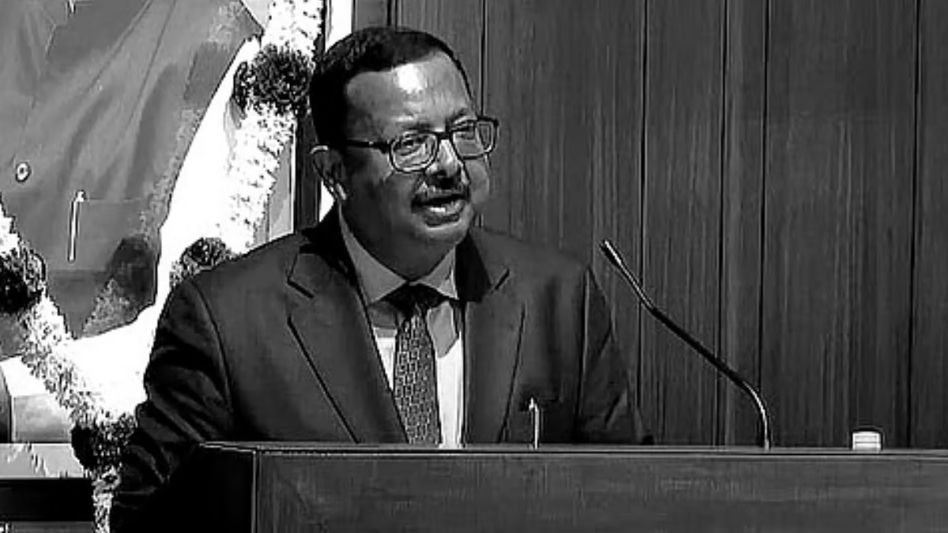
Supreme Court Justice Ujjal Bhuyan has raised serious concerns over reported instances of custodial violence and extra-judicial killings, questioning whether investigative agencies are increasingly relying on impermissible shortcuts in criminal investigations.

- Sep 19, 2026,
- Updated Sep 19, 2026, 9:23 PM IST

Supreme Court Justice Ujjal Bhuyan has raised serious concerns over reported instances of custodial violence and extra-judicial killings, questioning whether investigative agencies are increasingly relying on impermissible shortcuts in criminal investigations.
Speaking at a programme on criminal justice and constitutional jurisprudence, Justice Bhuyan reflected on the continuing reports of custodial deaths and alleged extra-judicial killings, observing that such incidents could no longer be viewed simply as remnants of an earlier era.
The judge questioned the circumstances in which people taken into police custody subsequently die during alleged encounters or other police operations.
Justice Bhuyan also raised questions over the practice of taking accused persons to alleged crime scenes during the early hours of the morning as part of investigation or crime-scene reconstruction.
His observations brought renewed focus on the limits of police powers during criminal investigations and the constitutional safeguards available to people in custody.
Justice Bhuyan has previously expressed concern over custodial deaths and the exercise of coercive authority by police personnel. He has emphasised that policing must remain rooted in constitutional values, accountability and respect for human dignity.
He has also voiced concern over allegations of police personnel themselves using force against protesters, stressing the need for law-enforcement agencies to maintain institutional restraint while exercising their authority.
At the heart of Justice Bhuyan’s observations is the distinction between investigation and punishment. Criminal culpability is ultimately determined through the judicial process, while investigative agencies are required to establish evidence through procedures recognised by law.
The remarks underline the constitutional principle that the State’s responsibility to combat crime does not override the safeguards available to individuals in custody.
The credibility of the criminal justice system, Justice Bhuyan’s observations suggest, depends not only on its ability to investigate and prosecute crime but also on whether its institutions remain accountable to the law while enforcing it.