Centre rejects claims of excess ethanol in Karnataka petrol, says 893 samples meet quality standards
The Centre has rejected allegations that petrol sold at certain retail outlets in Karnataka contains excessive levels of ethanol, stating that tests conducted on 893 samples across 27 states and Union Territories found all of them compliant with prescribed quality standards.

- Nov 08, 2026,
- Updated Nov 08, 2026, 2:27 PM IST

The Centre has rejected allegations that petrol sold at certain retail outlets in Karnataka contains excessive levels of ethanol, stating that tests conducted on 893 samples across 27 states and Union Territories found all of them compliant with prescribed quality standards.
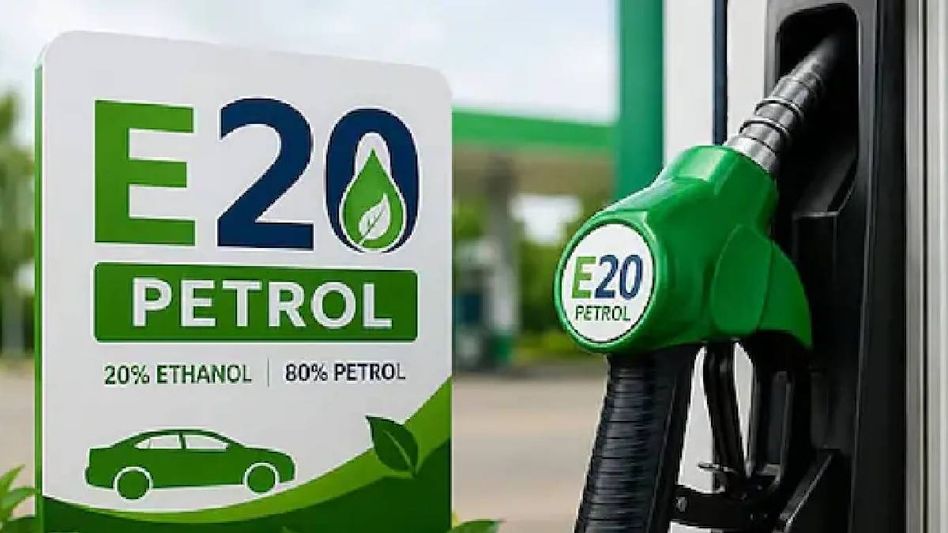
According to the Ministry of Petroleum and Natural Gas, samples collected from retail outlets operated by public sector oil marketing companies (OMCs) contained ethanol within the mandated range of 19 per cent to 21 per cent, as specified under the Bureau of Indian Standards (BIS) standard IS 17021.
The clarification follows allegations by Karnataka's Department of Food, Civil Supplies, Consumer Affairs and Legal Metrology that petrol sold at certain outlets in the state contained between 26 per cent and 31 per cent ethanol.
The Centre for High Technology, under the Petroleum Ministry, conducted quality checks on samples collected from 893 retail outlets operated by three state-run oil marketing companies — Indian Oil Corporation Limited (IOCL), Bharat Petroleum Corporation Limited (BPCL) and Hindustan Petroleum Corporation Limited (HPCL).
Of the total samples tested, 330 were collected from IOCL outlets, 280 from BPCL outlets and 283 from HPCL outlets.
In Karnataka, all 56 samples tested were found to comply with the prescribed standards, with an average ethanol blending level of 19.30 per cent, the ministry said.
The ministry also raised questions over the sampling procedure followed by Karnataka authorities during an inspection exercise conducted in October 2026. It said the procedure did not comply with the requirements laid down under the Motor Spirit and High Speed Diesel Control Order, 2005, and the Marketing Discipline Guidelines, 2024.
Under the prescribed protocol, six one-litre samples must be collected from a retail outlet. Two samples are to be handed over to the dealer, two retained by the oil company or the concerned department, and the remaining two sent to an authorised laboratory for testing.
However, the ministry said Karnataka authorities had not provided details of the retained samples, the retail outlets from which the samples were collected or certified laboratory documents to substantiate the allegations.
It also questioned the reliability of the test certificates cited by the state government, pointing out that they did not specify the standard testing method, dilution procedure or reference material used to determine the ethanol content.
Technical assessments further raised concerns over the density readings reported by the third-party testing facility, which ranged between 0.742 and 0.749 grams per cubic centimetre.
Addressing concerns over possible vehicle damage and increased fuel consumption due to higher ethanol blending, the ministry cited studies conducted in association with the Automotive Research Association of India (ARAI) and the Society of Indian Automobile Manufacturers (SIAM).
The studies indicated that vehicles using E20 fuel could experience a mileage reduction of between one and six per cent, depending on their calibration.
The ministry also stated that more than 34 crore vehicles across the country were operating on ethanol-blended fuel, with no widespread reports of mechanical failures.
During the ethanol supply year 2025-26, which concluded on October 31, 2026, oil marketing companies blended 1,134 crore litres of ethanol, according to the ministry.
Rejecting the possibility of oil companies deliberately exceeding the prescribed blending limits, the ministry said there was no commercial incentive to do so, as procuring additional ethanol would increase their operational costs.