EC cracks down on digital poll campaigns: Pre-certification of ads, mandatory social media disclosure enforced
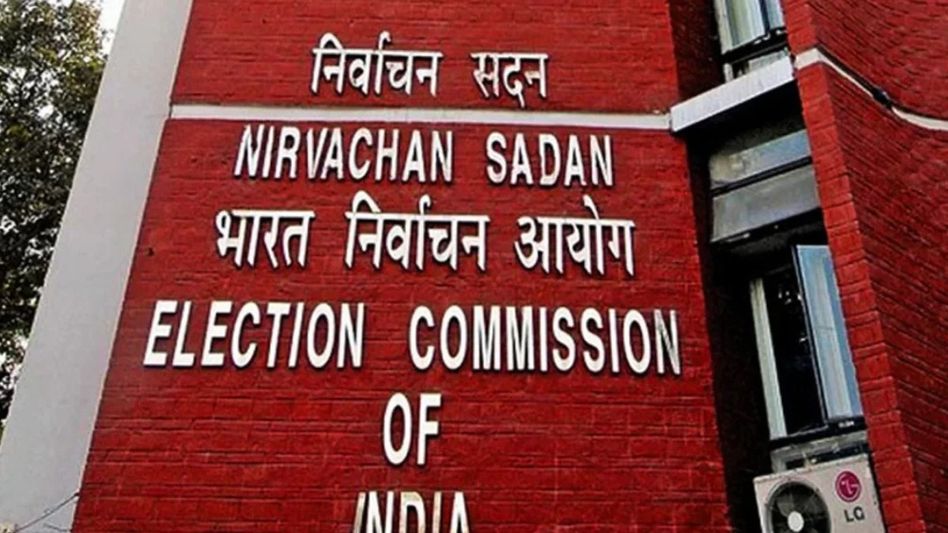
The Election Commission of India has tightened regulations on political advertising and digital campaigning ahead of the ongoing Assembly elections, making pre-certification and transparency in social media usage mandatory for all stakeholders.

- Mar 20, 2026,
- Updated Mar 20, 2026, 3:24 PM IST

The Election Commission of India has tightened regulations on political advertising and digital campaigning ahead of the ongoing Assembly elections, making pre-certification and transparency in social media usage mandatory for all stakeholders.
According to a press note issued on March 20, 2026, the Commission has directed that all political advertisements—across electronic media such as television, radio, public display systems, e-papers, bulk messaging services, and social media—must receive prior approval from the Media Certification and Monitoring Committee (MCMC) before being published or broadcast. This applies to political parties, candidates, and even individuals or organisations involved in election-related messaging.
At the district level, candidates can seek certification from District MCMCs, while state-level political parties must approach State MCMCs. An appellate mechanism has also been established under the Chief Electoral Officer (CEO) in each state to review disputes arising from certification decisions.
The Commission has made it explicitly clear that no political advertisement can be released on internet platforms, including social media, without prior clearance. Additionally, MCMCs have been tasked with closely monitoring and taking action against instances of paid news, a recurring concern during elections.
In a significant move to enhance transparency in digital campaigning, candidates are now required to disclose their official social media accounts in their nomination affidavits. This step is aimed at curbing misinformation and ensuring accountability for online political communication.
The directive also reiterates compliance with the Representation of the People Act, 1951, under which political parties must submit detailed accounts of election expenditure, including spending on digital campaigns and social media, within 75 days of the conclusion of the elections.
These measures follow a high-level coordination meeting held on March 19 involving Chief Electoral Officers, police and IT nodal officers, and representatives of major social media platforms to strengthen enforcement mechanisms against misinformation, disinformation, and fake news during the election period.
The latest guidelines signal a sharper regulatory focus on digital campaigning as elections increasingly shift to online platforms.