ISRO to launch NVS-03 satellite with indigenous atomic clock to boost India's time sovereignty
ISRO will launch NVS-03 aboard GSLV-F18 from Sriharikota on October 29. The indigenous atomic clock will strengthen NavIC and India's independent timekeeping capabilities.

- Oct 30, 2026,
- Updated Oct 30, 2026, 10:17 AM IST

- Liftoff is scheduled for 11:51 pm on October 29 from Sriharikota
- GSLV-F18's mission will mark the launch vehicle's twentieth programme flight
- The satellite adds L1 signals alongside existing L5 and S services
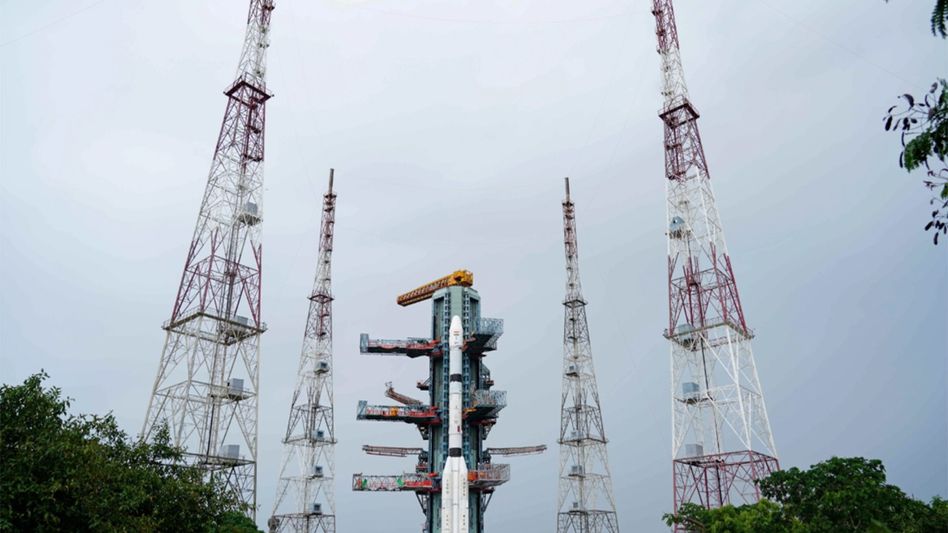
The Indian Space Research Organisation (ISRO) is set to launch its NVS-03 navigation satellite at 11:51 pm on October 29, marking another step towards strengthening India's independent timekeeping capabilities and satellite navigation infrastructure.
The satellite will carry India's third indigenous atomic clock and is expected to improve the accuracy and reliability of the country's regional navigation system, NavIC, formerly known as the Indian Regional Navigation Satellite System (IRNSS).
NVS-03 will be launched aboard the GSLV-F18 rocket from the Second Launch Pad at the Satish Dhawan Space Centre in Sriharikota. The mission will mark the 20th flight of India's Geosynchronous Satellite Launch Vehicle (GSLV).
NVS-03 is the third satellite in ISRO's next-generation navigation satellite series, designed to ensure continuity of navigation services. It follows NVS-01 and NVS-02, which carried the first two indigenous atomic clocks.
According to ISRO, the satellite will carry an indigenous atomic clock alongside procured atomic clocks. It will also introduce the L1 navigation signal in addition to the existing L5 and S signals.
The satellite is designed to provide navigation coverage across India's landmass and an area extending up to 1,500 km beyond the country's geopolitical boundaries.
Atomic clocks are among the most accurate timekeeping devices available. Unlike conventional clocks that rely on pendulums or quartz crystals, they measure time using the consistent natural vibration frequencies of atoms, with cesium-133 commonly used for this purpose.
The technology is crucial for satellite navigation, as even minor timing inaccuracies can affect the precision of location and positioning services.
India's NavIC system is an independent regional navigation network developed to provide accurate positioning information across the country and its surrounding region, extending up to 1,500 km beyond India's boundaries.
The NVS-03 mission also aligns with the Centre's 'One Nation, One Time' initiative, which aims to establish Indian Standard Time (IST) as the country's common and legally recognised time reference.
The government notified the Legal Metrology (Indian Standard Time) Rules, 2026, on August 29. The rules will come into effect 180 days after their publication in the Official Gazette.
The initiative seeks to ensure that critical infrastructure and digital systems across the country operate using a uniform and reliable time reference.
According to the Ministry of Science and Technology, precise time synchronisation is essential for sectors such as telecommunications, financial transactions, digital payments, power grids, transportation, data centres and government information systems. Reliable timekeeping is also necessary to maintain accurate timestamps across these services.