‘Mithai khilao!’ Why women journalists demanded sweets from Modi 25 years ago
Women journalists demanded sweets from Narendra Modi after learning of his impending Gujarat elevation. His recollection highlighted his political journey and journalism’s enduring reporting instinct.

- Nov 12, 2026,
- Updated Nov 12, 2026, 4:15 PM IST

- Modi recalled reporters invading his room at Delhi’s BJP headquarters
- Only senior BJP leaders then knew about the impending decision
- His early media duties included arranging chairs and welcoming guests
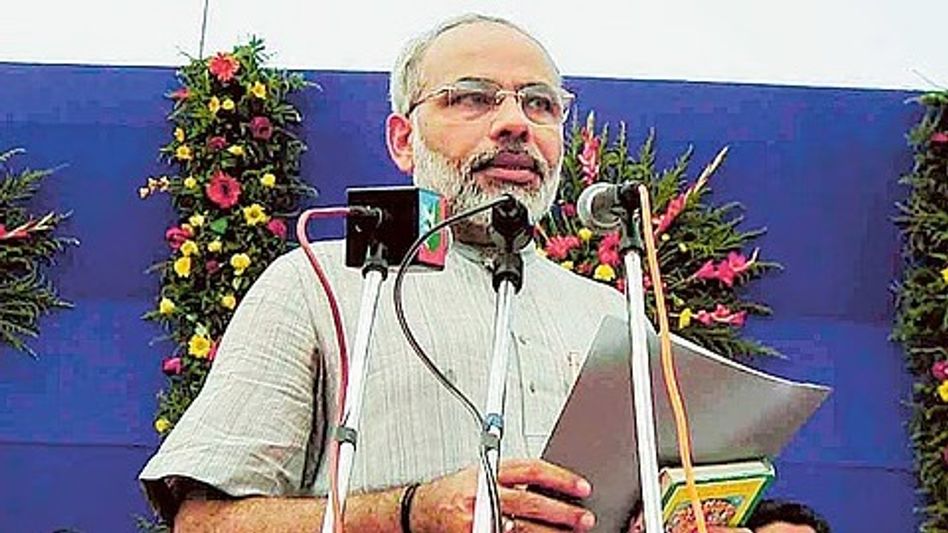
Early on the morning of October 2, 2001, a group of journalists barged into a small room at 11 Ashoka Road, the BJP’s then headquarters in Delhi. Inside was Narendra Modi, a party functionary whose responsibilities included coordinating with journalists, arranging their meetings and looking after them at party events.
The visitors, particularly a formidable group of women journalists, had come with an unusual demand. “Mithai khilao!” they insisted.
Modi was puzzled. What was the occasion? What was there to celebrate? “You are going to Gujarat. You are going to become the chief minister,” they announced. Modi told them he knew nothing about it. The journalists were unconvinced. “We all know. You are lying,” they shot back.
Only a handful of senior BJP leaders were privy to the decision. Yet an entire group of journalists had somehow got wind of it. Their information, Modi recalled, turned out to be correct.
Twenty-five years later, recounting the incident at a Diwali Milan gathering with journalists in Delhi on November 12, Prime Minister Modi could still marvel at the ability of reporters to unearth information even before those directly involved had been officially informed.
“I still wonder what it is about you people that always manages to catch us off guard,” he remarked, recalling the unexpected invasion of his room.
The anecdote was more than a nostalgic recollection. It captured a remarkable transition in Indian political life, from a party worker who once arranged chairs for journalists to a leader who has spent 25 uninterrupted years at the helm of government, first in Gujarat and then in New Delhi.
Modi took his first oath as Gujarat chief minister on October 7, 2001. On October 7 this year, he completed a quarter-century as head of government, including more than 12 years as India’s Prime Minister.
But on November 12, he chose to remember a different Modi.
In the 1990s, when he was entrusted with organisational responsibilities for major BJP political campaigns, communication was a very different business. Sending a press release sometimes meant hunting for a fax machine. When he moved to Delhi, coordinating with journalists remained part of his job.
The BJP operated from its Ashoka Road headquarters, where Diwali Milan gatherings were organised even then. Modi’s responsibilities were decidedly modest. He would arrange chairs, receive journalists, coordinate guests and ensure that the media personnel attending the gatherings were looked after. “At those Diwali Milan gatherings, my job was to arrange chairs and welcome all of you. That was my responsibility. I learnt a great deal from those experiences, and many of those lessons still serve me today,” Modi recalled.
There were fewer cameras, he recalled, but no shortage of personal warmth. From news desks to camera crews, he had developed relationships that went beyond the formal interaction between politicians and reporters.
Modi drew an interesting parallel between the changing responsibilities of journalists and his own political evolution. Just as a reporter’s relationship with a newsroom changes on becoming an editor, his own role changed when he assumed the responsibilities of government.
Much else has changed in the intervening years. Modi has witnessed the transformation of journalism from press releases to Instagram reels, from large outside-broadcast vans to smartphones capable of broadcasting live, and from an era of relatively few media outlets to one in which almost everyone has a platform and an opinion.
Yet, he acknowledged, the instinct of journalists to chase stories remains undiminished. He praised field reporters who move towards accidents, earthquakes and floods when others are fleeing, often putting their lives at risk to bring news to the public.
For a Prime Minister whose relationship with the media has evolved considerably over the years, the Diwali Milan speech offered a rare window into an earlier, more informal world of political journalism, when access was easier, conversations more personal and a party worker’s room could be invaded by reporters demanding sweets.