
Mobile internet speeds restricted in Kashmir amid protests over Ayatollah Khamenei’s killing
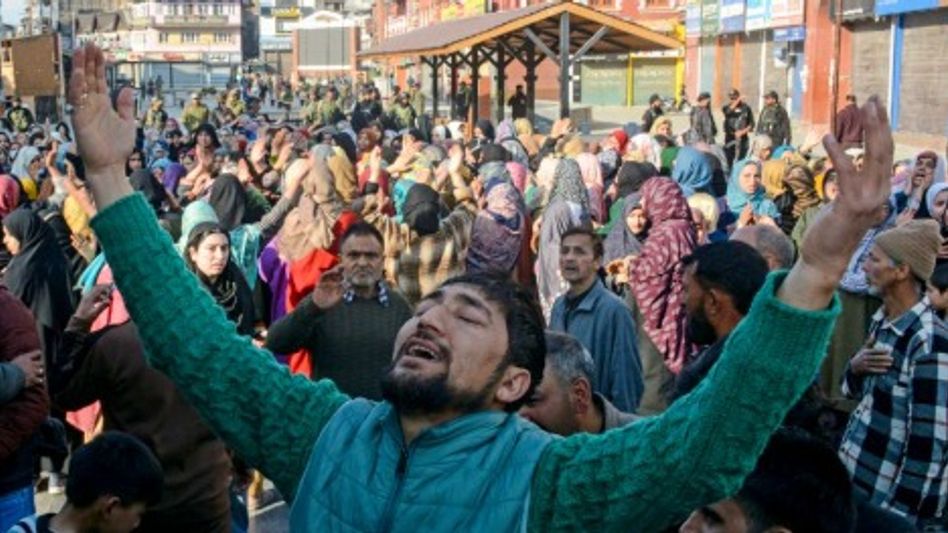
Authorities on March 2 curtailed high-speed mobile internet services across the Kashmir Valley following spontaneous protests over the killing of Iran’s Supreme Leader, Ayatollah Ali Khamenei.

- Mar 02, 2026,
- Updated Mar 02, 2026, 12:13 PM IST

- High-speed internet was reduced in Kashmir after protests over Khamenei's reported death.
- Protests erupted in Kashmir's Shia areas, with slogans against the US and Israel.
- Authorities throttled internet to prevent unrest and control information spread.
Authorities on March 2 curtailed high-speed mobile internet services across the Kashmir Valley following spontaneous protests over the killing of Iran’s Supreme Leader, Ayatollah Ali Khamenei.
Officials said the throttling of internet speeds was a precautionary measure aimed at maintaining law and order in the region.
Khamenei was reportedly killed in an airstrike in Tehran on Saturday during a joint Israel–U.S. military operation targeting Iran. Iranian state media confirmed his death on Sunday, triggering protests and mourning gatherings in several parts of the world, including India.
In Kashmir, which has a significant Shia population estimated at around 15 lakh, demonstrations were reported from several areas, including Lal Chowk, Saida Kadal, Budgam, Bandipora, Anantnag and Pulwama. Protesters were seen beating their chests and raising slogans against the United States and Israel.
An official said high-speed mobile data services have been throttled across all telecom networks in the Valley. However, no formal order detailing the duration of the restrictions was immediately made public.
Meanwhile, the Jammu and Kashmir Police issued an advisory to media organisations and digital news platforms, urging them to exercise restraint and professionalism in reporting developments related to the protests.
“Refrain from publishing unverified information, speculation, or rumours. Ensure that all reports are confirmed through credible and authoritative sources before dissemination, and avoid sensational headlines that may create unnecessary panic,” the advisory stated.
The police emphasised that responsible and accurate reporting was essential to maintain public trust and prevent the spread of misinformation during the sensitive situation.
MORE NEWS











Copyright©2026 Living Media India Limited. For reprint rights: Syndications Today
