No operational fatality in 12 months: CRPF achieves milestone after 47 years, credits focus on saving injured personnel
For a CRPF jawan wounded during an operation, surviving the initial attack is only the first battle. The hours and days that follow can often determine whether that personnel makes it home.

- Nov 03, 2026,
- Updated Nov 03, 2026, 11:48 AM IST

For a CRPF jawan wounded during an operation, surviving the initial attack is only the first battle. The hours and days that follow can often determine whether that personnel makes it home.
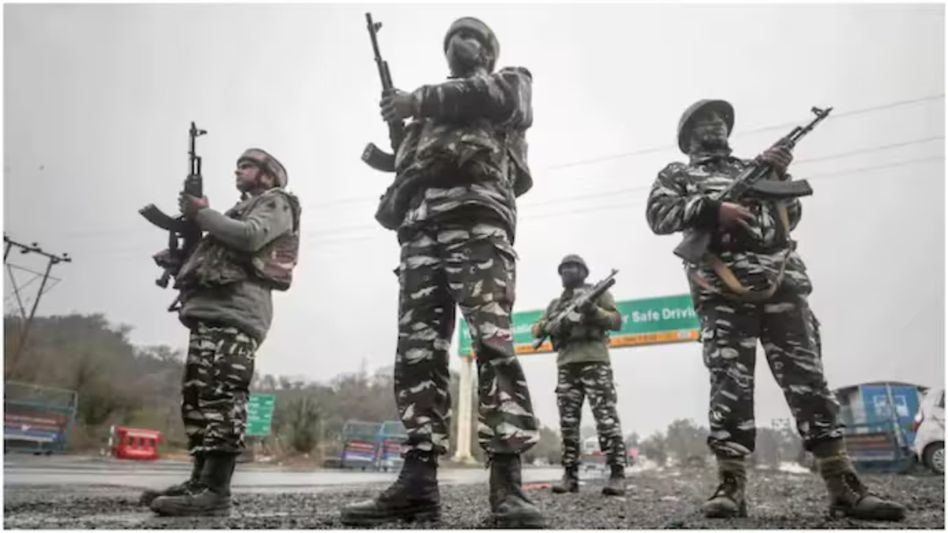
That critical window has become a major focus of the Central Reserve Police Force (CRPF), which has recorded a significant milestone: no operational fatality for 12 consecutive months, the first such achievement in 47 years.
The last operational fatality in the force was recorded on October 30, 2025. The milestone was highlighted by CRPF Director General (DG) GP Singh, who attributed it to improvements in equipment, training, operational planning, deployment strategies and, crucially, the rapid evacuation of injured personnel to advanced medical facilities.
“A lot of hard work on hardware, training, OPs planning, deployment and specially injured evacuation to Delhi has played a major role in this,” Singh told India Today NE.
He said the force now provides an average of 75-80 air ambulance sorties every year to evacuate injured personnel to tertiary medical centres, particularly the AIIMS Trauma Centre in Delhi.
The emphasis on post-injury care followed an analysis of fatalities over the previous five years, which revealed that nearly three-fourths of deaths occurred not immediately during an incident, but within a few hours to several days afterwards.
“We made an analysis of fatalities in the last five years and realised that almost three-fourths are happening a few hours to days after the incident. That's the crucial time we've been able to save our guys in,” Singh said.
The finding prompted the force to place greater emphasis on rapid medical intervention and evacuation, recognising that survival often depends on how quickly an injured jawan can reach specialised treatment after being wounded in an operation.
In a post on X, Singh described the achievement as a significant milestone in the history of the CRPF, noting that the force had gone 12 consecutive months without an operational fatality after its last such period ended in January 1979.
The achievement is particularly notable as CRPF personnel continue to be deployed in several challenging operational theatres, including Jammu and Kashmir, Left-Wing Extremism-affected areas and Manipur, where the force has been deployed since violence broke out in 2023.
The force has also continued its operations against Maoist insurgents, including in areas where security forces have been working to weaken the insurgents' strongholds and leadership.
The CRPF's operational history underlines the risks faced by its personnel. Since 1947, a total of 2,268 CRPF personnel have been killed in operations, averaging more than 28 fatalities a year. The highest toll was recorded in 2010, when 143 personnel lost their lives, largely due to Maoist ambushes.
The latest milestone, however, does not mean the risks have disappeared. It reflects a growing focus on ensuring that personnel who survive an attack also receive timely medical attention that can prevent their injuries from turning fatal.
For the force, the effort to save lives now extends well beyond the battlefield to the speed of an ambulance, the availability of an air evacuation facility and the time taken to get a wounded jawan to a trauma centre.
Singh said the CRPF remained committed to maintaining peace and security across the country while continuing to improve the safety of its personnel.