POCSO applies in child trafficking cases involving sexual exploitation: Supreme Court
The Supreme Court said child trafficking cases involving sexual exploitation can be prosecuted under POCSO alongside the BNS and the ITPA. It said child consent is legally irrelevant and called for stronger survivor rehabilitation.

- May 31, 2026,
- Updated May 31, 2026, 2:05 PM IST

- Bench said trafficking probes must prioritise traffickers' conduct and intent
- Child victims' consent has no legal relevance in exploitation cases
- Court said deception about work conditions can still amount to trafficking
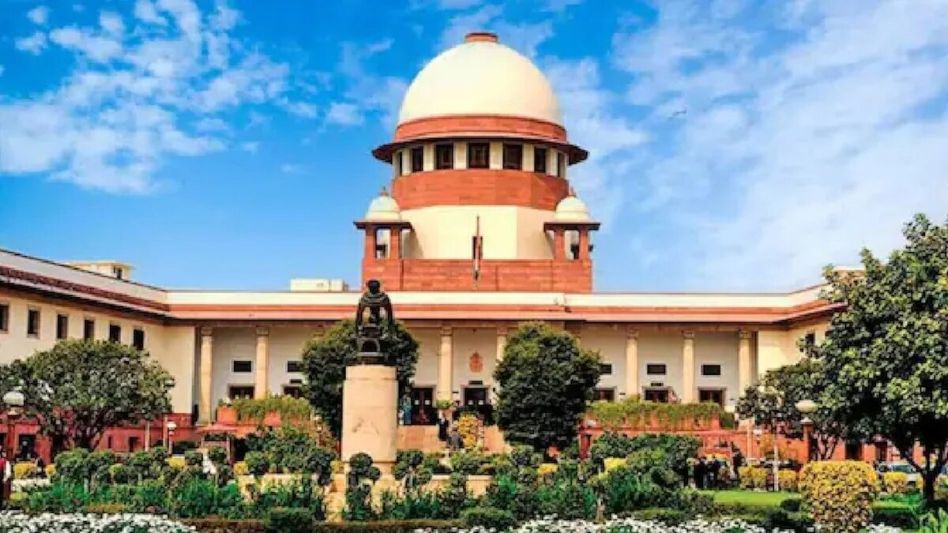
The Supreme Court has ruled that cases involving the trafficking of children for commercial sexual exploitation can be prosecuted under the Protection of Children from Sexual Offences (POCSO) Act, in addition to relevant provisions of the Bharatiya Nyaya Sanhita (BNS) and the Immoral Traffic (Prevention) Act (ITPA).
A Bench of Justices J B Pardiwala and R Mahadevan issued a series of directions on May 29 aimed at strengthening victim protection, clarifying the legal framework for prosecuting traffickers and ensuring rehabilitation measures for survivors.
The court emphasised that consent cannot be used as a defence in trafficking cases where coercive methods such as threats, force, abduction, fraud, deception, abuse of power or exploitation of vulnerability have been employed. It further held that the consent of a child victim is legally irrelevant, irrespective of whether such methods were used.
“Lack of consent is not an element of the crime of trafficking in persons,” the Bench observed, adding that investigations must focus on the conduct and intent of traffickers rather than claims that a victim agreed to the exploitation.
The judgment noted that even individuals aware they are entering the sex industry may still be trafficking victims if they were deceived about the nature or conditions of their work and subsequently subjected to exploitation.
Referring to Article 23 of the Constitution, which prohibits human trafficking and forced labour, the court said the provision has a broad scope and is enforceable against both the State and private individuals engaged in exploitative practices.
The Bench clarified that when a trafficked victim is a child and the exploitation involves offences covered by the POCSO Act, accused persons must be charged under the special law. It highlighted that the Act treats all sexual exploitation of children as non-consensual and provides child-sensitive procedures for reporting offences, recording statements and conducting medical examinations.
The ruling came in a petition filed by NGO Prajwala seeking stronger measures to combat human trafficking and protect victims of commercial sexual exploitation.
The court stressed that trafficking cases must be examined under the full range of applicable laws rather than through a single statute. Investigating officers, it said, should assess factors such as the victim’s age, the methods used by traffickers and the nature of the exploitation before determining the charges.
Underscoring the importance of rehabilitation, the Bench observed that rescue alone is insufficient if survivors are forced back into the circumstances that made them vulnerable. It said meaningful rehabilitation is essential to uphold the guarantees of dignity, life and freedom from exploitation under Articles 21 and 23 of the Constitution.
The judgment also called for a shift in approach, urging authorities to recognise trafficking survivors not merely as subjects of rescue operations but as individuals capable of making informed choices about their recovery and empowerment.