'This isn't true': WhatsApp denies popular username reservation claims
WhatsApp has denied claims that users are reserving usernames linked to public figures and said only legitimate owners can claim them. The clarification came after the Centre asked Meta to pause the feature, while the Internet Freedom Foundation questioned the notice's legal basis.

- Jul 02, 2026,
- Updated Jul 02, 2026, 4:13 PM IST

- Meta issued fresh FAQs amid fears of phishing, fraud and impersonation
- The Centre told Meta to pause rollout pending satisfactory government consultations
- Authorities warned usernames could materially increase scams and digital arrest attacks
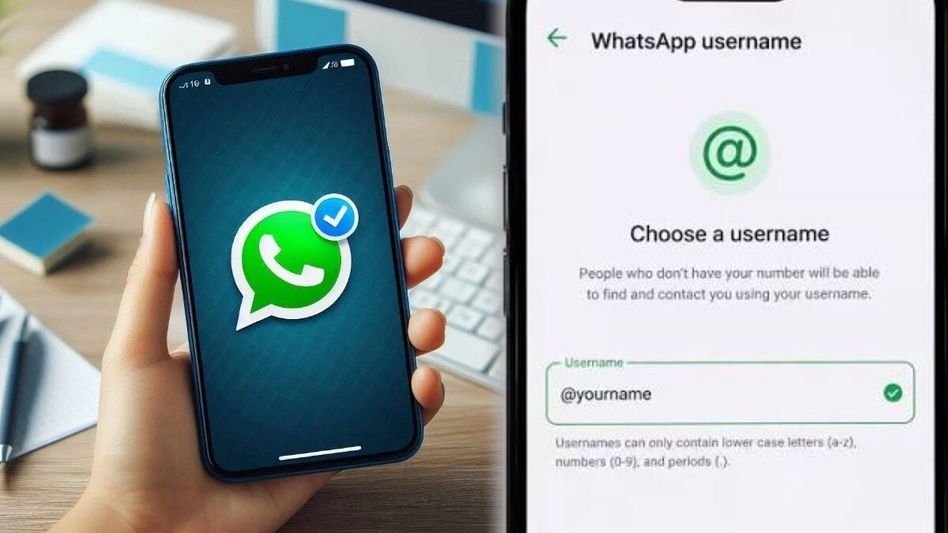
WhatsApp has dismissed claims that users are reserving usernames linked to well-known personalities, insisting that such names can only be claimed by their legitimate owners as scrutiny over its upcoming username feature intensifies.
The Meta-owned messaging platform issued a fresh set of FAQs defending the feature after it came under criticism over fears of impersonation, phishing and online fraud.
Addressing concerns circulating online, WhatsApp said, "People are making false claims about reserving popular or well-known usernames — this isn't true." It added that "only the legitimate account owners are able to reserve well-known public-figure names".
The clarification comes a day after the Centre issued a notice to Meta, directing the company to pause the rollout of the username feature until consultations with the government are completed to its satisfaction. Authorities have expressed concern that the feature could "materially increase" online fraud, phishing, digital arrest scams and impersonation attacks by making it easier for malicious actors to contact unsuspecting users.
The government has also sought an explanation from Meta on why action should not be initiated under the Information Technology Act and related rules, while reminding WhatsApp that, as a significant social media intermediary, it is required to comply with due diligence obligations under Indian law.
India remains one of WhatsApp's biggest markets, with more than 500 million users.
Concerns over the feature grew after several prominent personalities reported that multiple versions of their names appeared to have already been reserved during the ongoing reservation phase. Former Delhi Deputy Chief Minister Manish Sisodia said on X that "almost every variation" of his name, as well as those linked to his party, AAP, seemed to have been taken. MobiKwik CEO Bipin Preet Singh also flagged that usernames closely resembling his own had already been reserved.
Responding to the criticism, WhatsApp said the username feature has not yet been launched and will be introduced gradually later this year.
A company spokesperson said, "We've held the highest-profile names — think public figures, government entities, celebrities, verified Meta accounts — so they can only ever be claimed by their legitimate owners." The company added that lookalike versions of recognised names have also been reserved to reduce the risk of impersonation.
WhatsApp maintained that users will still need a phone number to access the platform and said it has built multiple safeguards into the username system to curb abuse.
According to the company, users will need to know the exact username before they can initiate a conversation. It also plans to restrict how many new people an account can contact, block repeated attempts to guess usernames, and deploy systems to detect and remove suspicious impersonation or scam-related activity.
The platform further said users will receive additional context when contacted by someone for the first time through a username. They will be shown whether the sender is using a new account, is already a contact, shares mutual groups, or is messaging from another country, allowing them to decide whether to respond.
Meanwhile, the Internet Freedom Foundation (IFF) criticised the government's intervention, arguing that the notice lacks a clear legal basis.
"The notice treats the launch of a lawful feature as a wrong the company must justify," the digital rights organisation said in a social media post. It further argued that no existing legal provision empowers the Ministry of Electronics and Information Technology to approve product features before release or order them to be withdrawn.