From glass skin to grandma’s remedies: How Indians are looking back at their roots
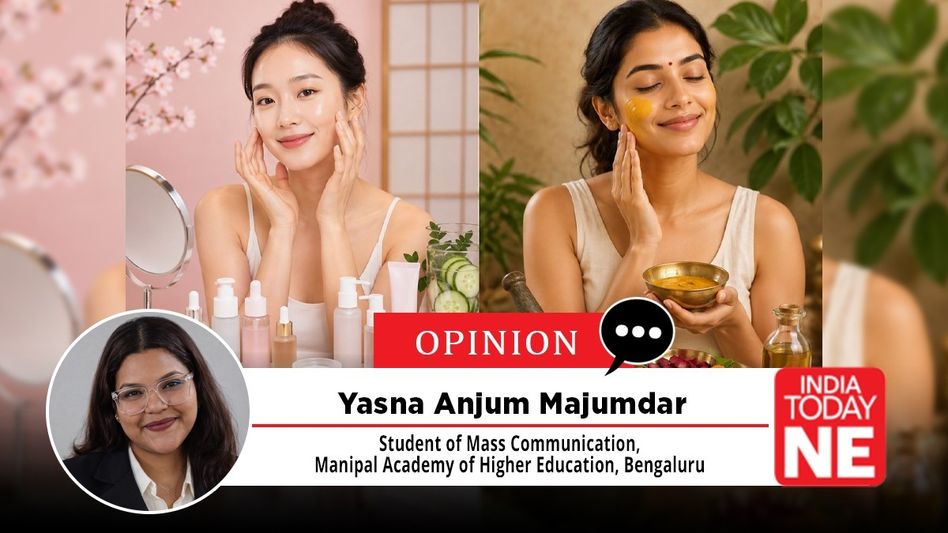
A few years ago, many Indian consumers especially the Gen Z and millennials were fascinated by the Korean beauty wave. Social media feeds were filled with 10- step skincare routine, glass skin, sheet masks, snail mucin, centella and hydrating products. K- beauty products represented the future of skincare- innovation, effective and became synonymous with flawless, glowing skin.

- Jun 23, 2026,
- Updated Jun 23, 2026, 1:26 PM IST

A few years ago, many Indian consumers especially the Gen Z and millennials were fascinated by the Korean beauty wave. Social media feeds were filled with 10- step skincare routine, glass skin, sheet masks, snail mucin, centella and hydrating products. K- beauty products represented the future of skincare- innovation, effective and became synonymous with flawless, glowing skin.
Today, a quiet shift is taking place. While Korean skincare continues to influence beauty trends, many consumers are turning their attention back to Indian beauty traditions and Ayurvedic practices. This return to roots is not a rejection of the global beauty standards but rather a reconsideration of what beauty and self-care means in a rapidly changing world. One of the biggest reasons behind this shift is the growing desire for authenticity.
Ingredients that once seemed ordinary- turmeric, sandalwood, rose water, aloe vera, neem, saffron and multani mitti are being rediscovered by a younger generation. What was once dismissed as old- fashioned “grandma’s remedies” is now being viewed as cultural wisdom passed down through generations.
At the same time, consumers are becoming more conscious of sustainability. The beauty industry, much like the fashion industry, thrives on constant product launches and viral trends. Every month seems to bring a new miracle ingredient or must- have serum. As awareness about overconsumption grows, many consumers are questioning whether they truly need shelves full of products. Traditional Indian beauty practices, which mostly rely on simple, natural ingredients and minimal waste, offer an appealing alternative.
The rise of ‘skinimalism’ has further accelerated this movement. Instead of complicated routines involving multiple skincare steps, consumers are now embracing simpler skincare rituals focusing on consistency and long- term skin health. This philosophy aligns closely with Indian beauty practices, which have emphasized balance, nourishment, and patience over quick fixes since a long time. Another factor contributing to this renewed interest is the global popularity of Ayurveda, once seen primarily as a traditional Indian system of wellness, ayurveda has gained recognition worldwide. As international wellness communities embrace Ayurvedic principles, many young Indians are developing a newfound appreciation for practices that have been part of their cultural heritage all along.
Another reason behind this shift is the realization that skincare is not one- size- fits- all. Many of the Korean skincare routines that became popular worldwide were developed with different climatic conditions, lifestyles, and skin concerns in mind. Indian skin, which is often exposed to higher levels of heat, humidity, pollution, and sun exposure, may not always respond in the same way to products designed for Korean consumers.
However, this shift does not mean the end of Korean beauty. In reality, consumers are increasingly combining the best of both worlds. A modern skincare routine may include Korean hydrating toner, a dermatologist- recommended serum and an Ayurvedic face mask made with turmeric or sandalwood. The beauty landscape is becoming less about choosing one approach over another and more about creating personalized routine that draws from multiple traditions.
What is emerging today is not a beauty trend driven solely by social media, but a broader cultural shift. Young consumers are becoming more curious about the origins of the products they use and the traditions behind them. Rather than constantly chasing the next viral ingredient, they are exploring practices that have stood the test of time. Whether it is applying a homemade ubtan before a wedding, using rose water as a natural toner, or incorporating ayurvedic principles into everyday self- care, many are finding value in routines that feel both familiar and meaningful.
Ultimately, the story is not about the decline of K- beauty. It is about confidence. Indian consumers are becoming more comfortable embracing their own beauty heritage while remaining open to global influences. In an age where trends change overnight, perhaps the most enduring beauty secret is not discovering something new, but rediscovering what was there all along.