
Protect the northeast within India before claiming to defend it from outside
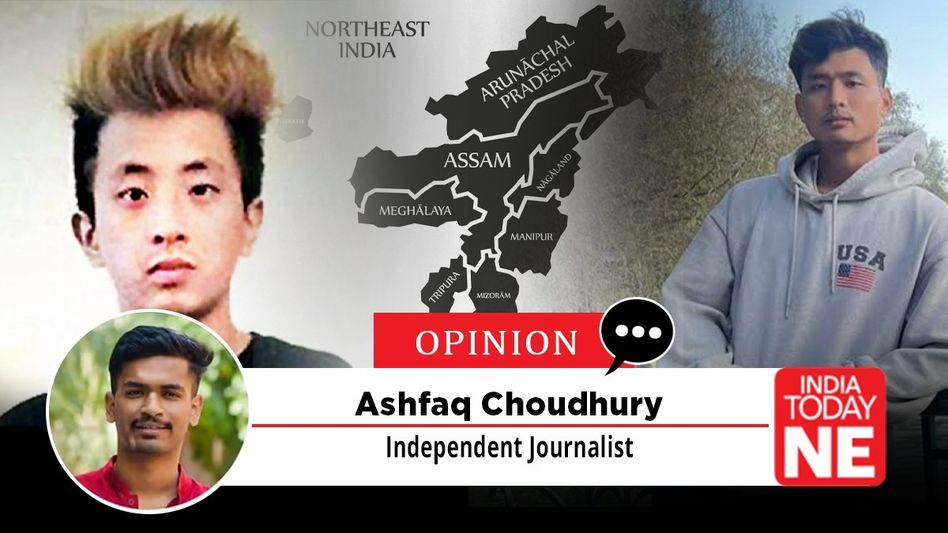
The brutal death of 24-year-old Angel Chakma, a student from Tripura, in Dehradun after a racially charged assault, is a national tragedy, not an isolated crime. He and his brother were attacked on December 9 after being subjected to racial abuse and slurs because of their appearance; Angel later died from his injuries on December 26 after 17 days in hospital. Family accounts and multiple reports note that slurs like “Chinese” and “chinky” were hurled before the violence escalated.

- Jan 06, 2026,
- Updated Jan 06, 2026, 5:41 PM IST

The brutal death of 24-year-old Angel Chakma, a student from Tripura, in Dehradun after a racially charged assault, is a national tragedy, not an isolated crime. He and his brother were attacked on December 9 after being subjected to racial abuse and slurs because of their appearance; Angel later died from his injuries on December 26 after 17 days in hospital. Family accounts and multiple reports note that slurs like “Chinese” and “chinky” were hurled before the violence escalated.
This follows a haunting precedent: in 2014, Arunachal Pradesh student Nido Taniam was beaten to death in Delhi after being racially harassed, a case that shocked the nation and exposed how deeply embedded racial prejudice is in parts of Indian society.
After Nido Taniam’s killing, the Indian government constituted the M.P. Bezbaruah Committee in 2014 to examine concerns of people from the Northeast living in other parts of the country, especially major cities. The committee acknowledged widespread racial discrimination, including derogatory slurs, harassment, and structural exclusion, and made detailed recommendations.
The recommendations are yet to fully implemented, even a decade later. What was supposed to be a proactive response to racism has become symbolic dust on government shelves and that failure has real, fatal consequences.
A heartbreaking thread in these tragedies is how victims are forced to assert a basic truth: we belong here. Reports note that Angel Chakma is said to have protested that he was not Chinese but Indian before he died.
For too long, successive governments have treated racial violence as aberrations rather than as symptoms of wider social othering, a failure to see that internal prejudice can be as dangerous as any external threat. The Bezbaruah Committee warned this would happen; the gruesome repetition of these tragedies underscores how much work remains.
If India truly values its unity in diversity, it must act accordingly, not just by protecting borders, but by protecting the people within them who are most vulnerable to discrimination and violence. That means robust laws, accountable policing, mandatory implementation of past recommendations, and a cultural shift that stops treating citizens as “outsiders” because of how they look, speak, or eat.
To protect Indian citizens from threats outside is necessary but meaningless if the state cannot protect them from violence, hatred, and exclusion at home. Only then can the nation claim to keep all its children safe.
MORE NEWS












Copyright©2026 Living Media India Limited. For reprint rights: Syndications Today
