"The Islamabad Memorandum”: A Fragile Peace or a Tactical Truce in the 2026 Iran War?
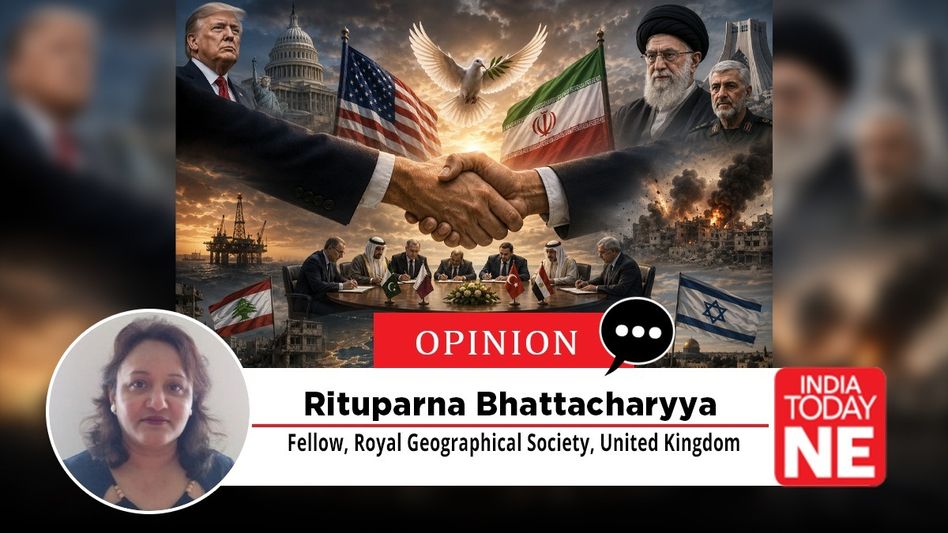
Washington and Tehran agreed to the Islamabad Memorandum, with Pakistan helping broker the framework. The deal reopens the Strait of Hormuz but leaves nuclear disputes, Israeli actions and mutual distrust unresolved.

- Jun 16, 2026,
- Updated Jun 16, 2026, 6:50 PM IST

- Trump announced the agreement while leaving for the G7 summit
- The framework starts 60 days of talks on uranium and monitoring
- Leaked drafts mention releasing frozen Iranian assets after verified compliance
In a whirlwind of digital diplomacy and high-stakes manoeuvring, the Middle East's landscape shifted on Sunday, 14 June 2026.A framework peace deal—tentatively named the Islamabad Memorandum—was struck between Washington and Tehran, signalling a dramatic pause, if not the definitive conclusion, to fifteen weeks of devastating conflict.
As US President Donald Trump boarded Air Force One for the G7 summit, he took to Truth Social to claim a historic triumph:
The Deal with the Islamic Republic of Iran is now complete. Congratulations to all! I hereby fully authorise the toll-free opening of the Strait of Hormuz, and,simultaneously herewith, authorise the immediate removal of the United States Naval blockade.Ships of the World, start your engines. Let the oil flow!
Yet, from the perspective of New Delhi and the broader South Asian security architecture, this sudden breakthrough demands rigorous scrutiny. Is this the dawning of a "new era" or a hasty, transactional exit strategy by a Washington administration eager to claim a win ahead of the G7?
The Mechanics of the Deal: Pakistan’s Diplomatic Coup
The structural anatomy of this peace deal reveals a multi-layered, highly delicate framework. According to reports from Al Jazeera and regional mediators, the text establishes an immediate and permanent termination of military operations on all fronts.
Significantly, the primary facilitator of this diplomatic breakthrough is Islamabad, working in tight tandem with Qatari, Egyptian, and Turkish negotiators.Pakistani Prime Minister Shehbaz Sharif officially broke the news on X (formerly Twitter), detailing that the memorandum would trigger an immediate 60-day period of intensive technical talks to iron out the most volatile flashpoints.
The immediate fallout and roadmap of the agreement include:
• The Reopening of the Strait of Hormuz: The crippling US naval blockade is to be dismantled, allowing the vital global energy artery to function under coordinated Iranian and Omani arrangements.
• The 60-Day Technical Buffer: Contentious issues—primarily the dismantling of Iran’s highly enriched uranium stockpiles and future nuclear monitoring—have been kicked down the road into technical committees.
• Asset Release: Leaked drafts suggest the US has tentatively agreed to release approximately $25 billion in frozen Iranian assets, conditional on verified compliance.
• The Switzerland Summit: The official, ceremonial signing of the treaty is scheduled for Friday, 19 June 2026, in Switzerland, preceded by preparatory meetings in Doha.
The Wildcard: Israel, Lebanon, and the Distrust Factor
The ink on the virtual memorandum was barely dry before its fragility was laid bare. Just hours before the announcement, Israeli airstrikes battered Beirut, targeting what Tel Aviv claimed was infrastructure belonging to the Iran-backed group, Hezbollah. The attack reportedly left three dead and threatened to derail the entire framework.
A visibly furious President Trump, in a phone call leaked to Axios, allegedly fumed at Israeli Prime Minister Benjamin Netanyahu over the timing of the strike, later posting a stern public warning on social media: "We are very close to a Deal... There should be no more attacks by Israel anywhere in Lebanon."
This exposes the fundamental flaw in the framework: it treats a complex, multi-state proxy war as a bilateral transaction between Washington and Tehran. Israel, facing its own domestic electoral pressures and grave security anxieties regarding its northern border, is a reluctant bystander to Trump’s unilateral peace-making.
Furthermore, the sentiment from Tehran is far from triumphant. Iranian Deputy Foreign Minister Kazem Gharibabadi was quick to temper expectations. Speaking via the state-run Tasnim news agency, Gharibabadi pointedly noted that the agreement "does not signify trust in the enemy and was drafted in an atmosphere of continued distrust." Hardline factions within the Islamic Revolutionary Guard Corps (IRGC) are already characterising the deal as a capitulation that risks making Iran an American economic satellite.
The View from New Delhi: Strategic Implications for India
For India, the formalisation of the Islamabad Memorandum is a double-edged sword. On the one hand, the immediate reduction in hostilities and the reopening of the Strait of Hormuz will cool overheated global oil markets, providing vital economic relief to New Delhi's import-dependent energy sector.
On the other hand, the geopolitical optics are uncomfortable. That Pakistan—an economy teetering on the brink of systemic fragility—successfully positioned itself as the central pivot and trusted broker between Washington and Tehran is a significant diplomatic victory for Islamabad. It restores Pakistan's currency as a vital geopolitical bridgehead in Western eyes, a development South Block will be monitoring with immense caution.
A Masterstroke or a Mirage?
President Trump wants the world to believe the Iran War is "complete." But a critical analysis of the text reveals that the Islamabad Memorandum is not a comprehensive peace treaty; it is an extended 60-day regional ceasefire masquerading as one.
By deferring the most explosive issue—the verifiable dismantlement of Iran's deeply buried nuclear infrastructure—to low-level technical talks, the deal leaves the core drivers of the war entirely unresolved. If Tehran refuses to dilute its enriched uranium over the next two months, or if Israel refuses to halt its operations against regional proxies, this "beautiful peace" could dissolve before the summer is out.
As world leaders gather for the G7, the mood will be one of cautious relief. But beneath the congratulations, the global community knows that Friday's signing ceremony in Switzerland is not the end of the crisis—it is merely the beginning of a highly volatile sequel.