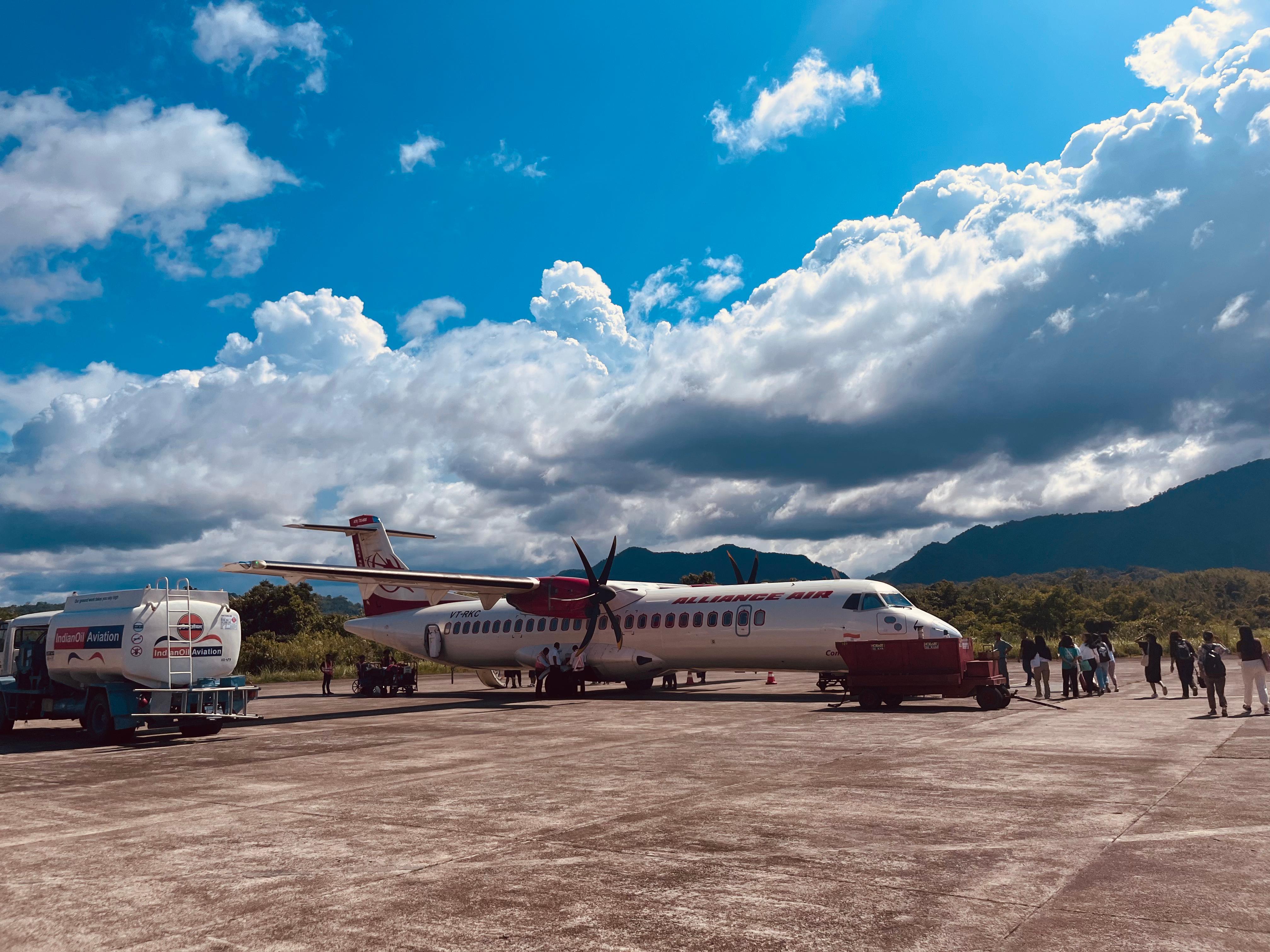

Why IIMC Aizawl is unlike any journalism school in India
A student's account shows how studying at IIMC Aizawl extended from classrooms into the streets, hills and communities of Mizoram. The experience placed journalism amid borderland realities and left a deeper understanding of empathy, culture and perspective.
Advertisement

Aishna Victor Singh
- Jul 13, 2026,
- Updated Jul 13, 2026, 5:46 PM IST
Story highlights
- Students learned beyond classrooms through markets, cafés, festivals and weekend treks
- Borderland life made migration, geopolitics and trade immediate reporting realities
- Aizawl's social fabric challenged assumptions about safety, cleanliness and civic respect
Chibai!
When I told people I was moving to Mizoram to study journalism, the reaction was almost always the same.
"Why Mizoram?"
Most people assumed I would choose Delhi or another big city. They couldn't understand why I would voluntarily move to one of the country's most remote states. To many, Mizoram felt too far away, too unfamiliar, almost invisible on India's map.
Ironically, that was exactly why I wanted to go.
Nine months later, I realised I hadn't simply studied journalism. I had lived it.
From the moment I arrived in Aizawl, the city began teaching me lessons no classroom ever could. Perched on mountain ridges, wrapped in clouds and connected by winding roads, Aizawl forces you to slow down. You notice things differently. You observe people more carefully. You begin asking questions instead of making assumptions.
At the Indian Institute of Mass Communication’s Northeastern Regional Campus in Aizawl, Mizoram, (IIMC NERC) the state itself becomes your classroom.
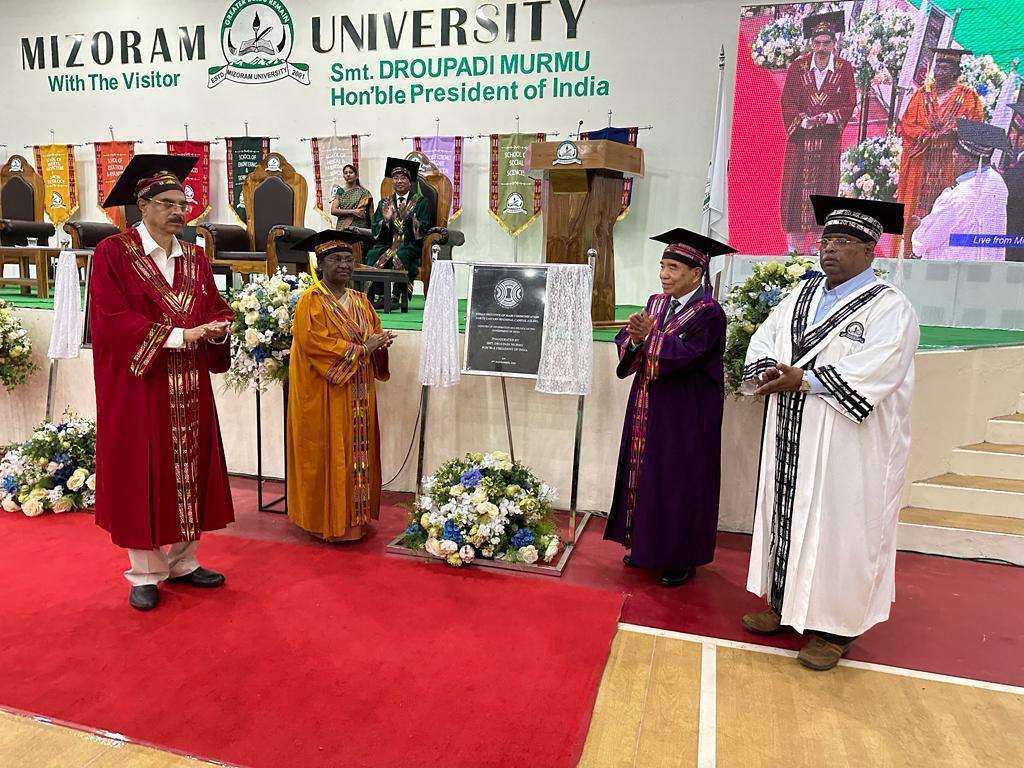
I was fortunate to be part of the institute's first batch after President Droupadi Murmu inaugurated its permanent campus. We initially stayed in a local hostel before moving into the new campus inside Mizoram University. Looking back, I'm grateful we didn't spend our entire year inside university walls.
Our education unfolded across the city.
We wandered through Vaivakawn market bargaining for groceries, discovered tiny family-run cafés overlooking misty valleys, covered cultural festivals and public events, attended concerts, and often found ourselves walking through neighbourhoods simply because we wanted to understand the place beyond newspaper headlines.
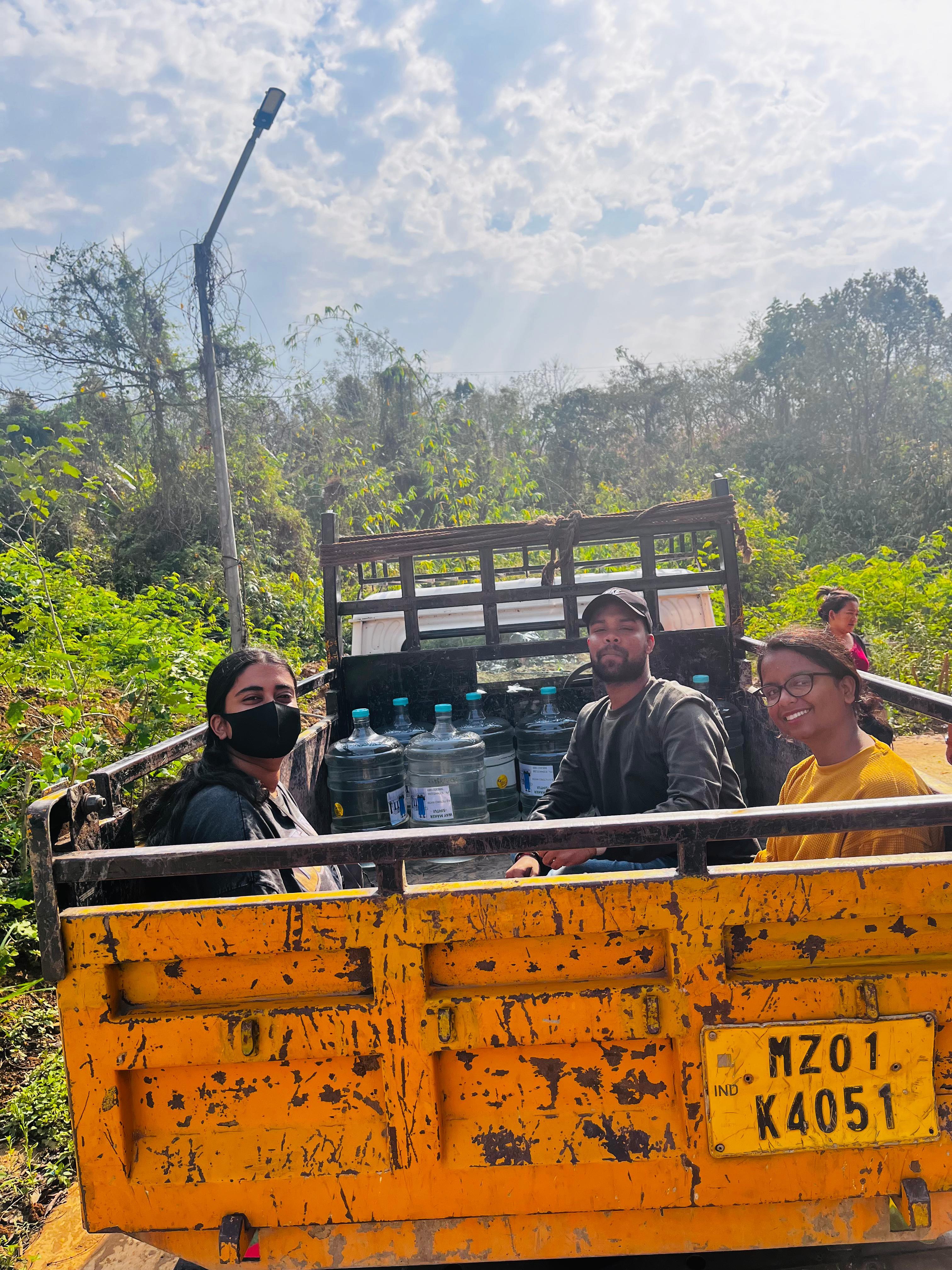
We even planned our own weekend adventures, packing into open trucks and heading towards Reiek or hidden waterfalls tucked deep inside the hills. Those treks were never really about reaching the destination. They were about singing on winding mountain roads, sharing snacks, helping each other across slippery trails, and returning home tired, muddy and with stories we'd retell for months.
As journalism students, curiosity became our greatest assignment.
Studying in Mizoram also meant living at the edge of stories that rarely make national prime time.
Bordering Myanmar and Bangladesh, the state sits at the crossroads of migration, geopolitics, indigenous cultures, environmental conservation, and cross-border trade. Conversations about India's Act East Policy, refugee movements, or changing regional dynamics were no longer abstract topics from international relations textbooks; they were happening around us.
Some of the country's most important stories unfold quietly in places like these, far from Delhi's political corridors or Mumbai's television studios.
Mizoram reminded me that journalism isn't about chasing the loudest headlines. Sometimes it's about paying attention to the places everyone else overlooks.
Outside reporting, the state quietly challenged many ideas I had grown up believing about Indian society.
I saw women running businesses, leading organisations and occupying public spaces with confidence. Young women walked home late at night without the constant anxiety many metropolitan cities have normalised. Streets remained remarkably clean, traffic rarely descended into chaos, and there was an unmistakable culture of mutual respect that didn't seem to rely on heavy policing or strict enforcement.
It felt like discovering another version of India, one I wish more people knew.
Perhaps the most unexpected part of studying there was the people.
Our batch came from different corners of the country, yet living thousands of kilometres away from home turned classmates into family surprisingly quickly.
Weekend treks became routine. We spent hours in cafés debating assignments over endless cups of coffee, watched football with passionate local supporters, attended university festivals, and explored Aizawl's steep roads with no particular destination in mind.
Our hostel rooms slowly turned into little homes. Shelves filled up with packets of Mizo snacks alongside instant noodles from Korea, Japanese candies, Thai drinks and other East and Southeast Asian treats that found their way into local stores. Before long, late-night study sessions felt less like hostel life and more like living in a tiny corner of Asia with friends from across India.

Some of my favourite memories aren't from lectures or reporting assignments. They're from conversations that happened while walking back to the hostel under Aizawl's quiet night sky.
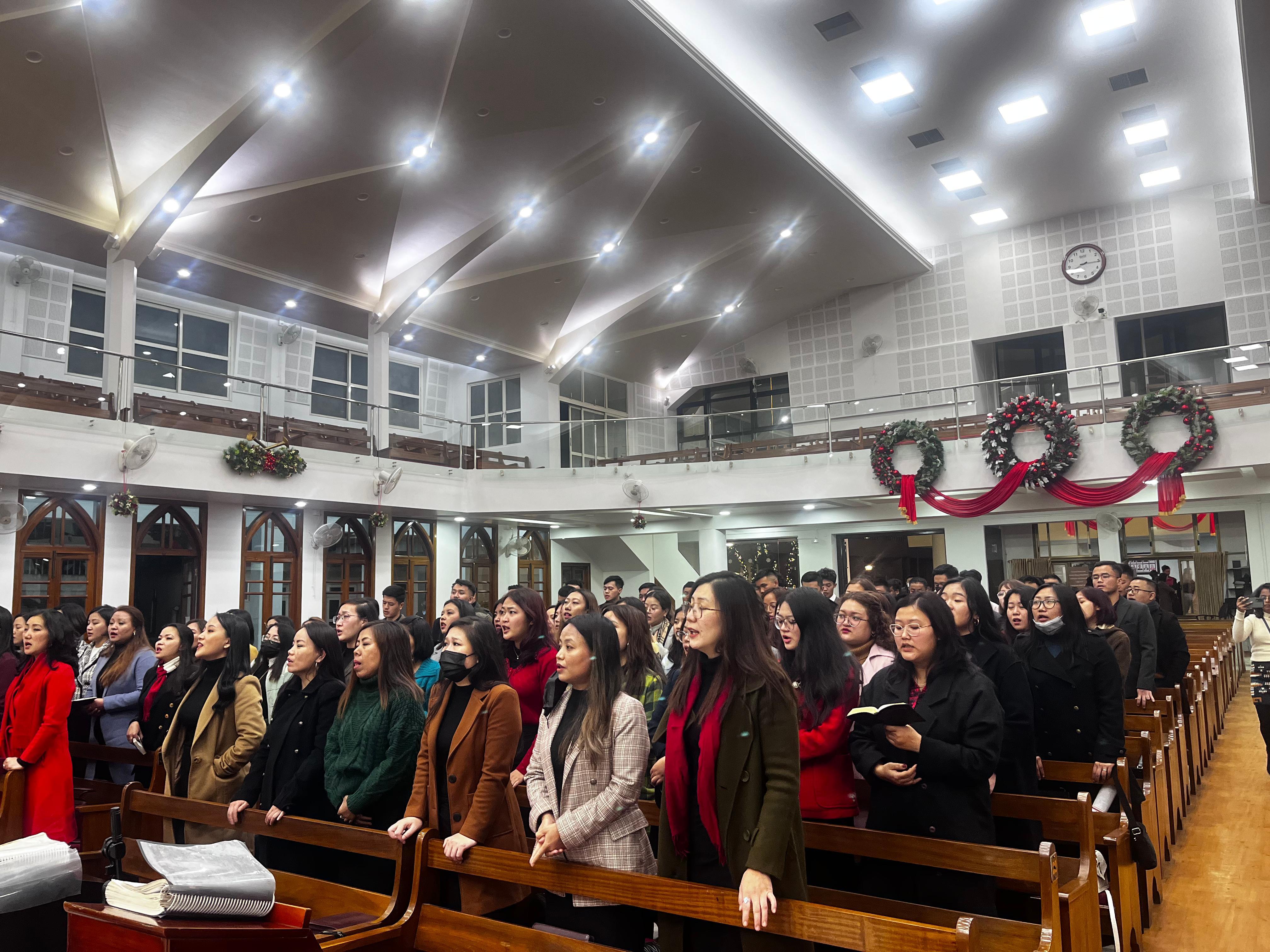
Then came Christmas.
I've celebrated Christmas before, but never quite like this.
The city transformed into one giant community celebration. Churches welcomed everyone, neighbourhoods echoed with carol singing, homes opened their doors to guests, and festivals felt less like private family gatherings and more like something the entire city shared.
One of my warmest memories is being invited to Thanksgiving dinners hosted by our faculty members. It was a small gesture, but it reflected something I came to appreciate deeply about IIMC Mizoram: education wasn't confined to lectures, deadlines or newsroom exercises. It was built through conversations, generosity and genuine human connection.
Of course, journalism schools can teach you how to write a news report, edit a video or conduct an interview.
But empathy is harder to teach.
So is cultural sensitivity.
So is learning to listen without imposing your own assumptions.
Those lessons come from living among people whose lives look different from your own.
Looking back, the greatest thing I gained from IIMC Mizoram wasn't a postgraduate diploma.
It was a perspective.
The experience taught me to slow down before drawing conclusions, to stay curious, and to recognise that every community has stories worth telling, whether or not they dominate national headlines.
Sometimes my friends joke that our batch was among the last to experience Mizoram before Instagram discovered it. Long before the Bairabi–Sairang railway line put the state on more travellers’ radar, we spent weekends exploring its hills in open trucks, trekking to Reiek, chasing waterfalls and finding cafés with mountain views simply because we were curious. We weren’t travelling to create content, we were just trying to understand the place. Looking back, that’s probably why some of our best memories never made it online. And even today, if someone asks me for recommendations on travelling through Mizoram, I know exactly where I’d tell them to go.
If you're considering IIMC Mizoram, don't choose it despite the distance.
Choose it because of the distance. Say yes to the unfamiliar. Walk the hills instead of taking a taxi. Spend hours in local cafés. Talk to strangers.
Attend Chapchar Kut. Celebrate Christmas. Watch football with locals. Listen more than you speak.
Let Mizoram surprise you.
You may arrive expecting to earn a journalism degree.
You'll leave with an understanding of India in ways no textbook could ever teach.
And that's what makes IIMC Mizoram unlike any journalism school in the country.
Khoplawm khawp mai, Mizoram.
(The views expressed in this article are those of the author and do not necessarily reflect the views of India Today NE or its affiliates.)
POST A COMMENT