Eurasian Lynx photographed in Sikkim for first time during high-altitude wildlife survey
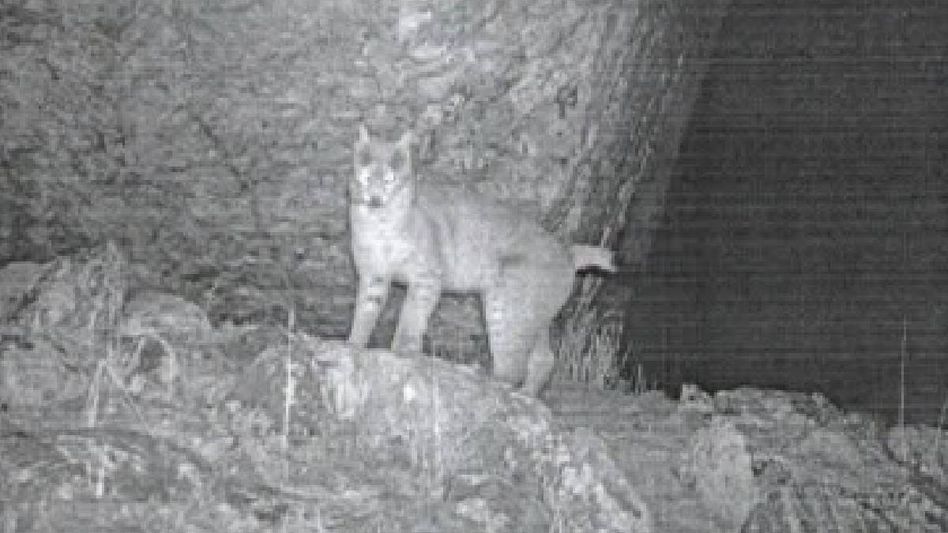
The rare and elusive wild cat was captured on a camera trap at an altitude of 5,250 metres on the Tso Lhamo plateau in Mangan District in January 2026 during a high-altitude wildlife survey.

- Jul 01, 2026,
- Updated Jul 01, 2026, 6:04 PM IST

In a significant development for wildlife conservation and biodiversity research in the Eastern Himalayas, the Eurasian Lynx has been photographed for the first time in Sikkim.
The rare and elusive wild cat was captured on a camera trap at an altitude of 5,250 metres on the Tso Lhamo plateau in Mangan District in January 2026 during a high-altitude wildlife survey.
The photographic record marks the first confirmed documentation of the species in Sikkim and only the second photographic record of the Eurasian Lynx in the Eastern Himalayan region. The first such photographic evidence from the region was reported in Arunachal Pradesh in 2025.
The discovery was made through a collaborative effort between the Sikkim Forest and Environment Department and WWF-India as part of an ongoing snow leopard monitoring programme in the state’s alpine ecosystem.
Officials stated that the finding adds to scientific understanding of species distribution across the Eastern Himalayas and highlights the ecological importance of Sikkim’s high-altitude habitats.
The survey also documented the presence of several other notable wildlife species, including the snow leopard, Pallas’s cat, Tibetan wolf, Tibetan sand fox, Tibetan gazelle and Tibetan argali, indicating the rich biodiversity supported by the region’s cold desert and alpine landscapes.
Conservation experts noted that such records reinforce the importance of sustained ecological monitoring and habitat protection efforts in fragile mountain ecosystems.
The latest documentation is expected to contribute to future research and conservation planning aimed at protecting high-altitude wildlife populations across the Himalayan landscape.