Gorkhaland roadmap did not include Sikkim, disputed clause dropped from final submission: Prof Mahendra Lama
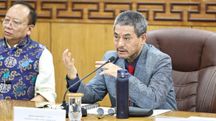
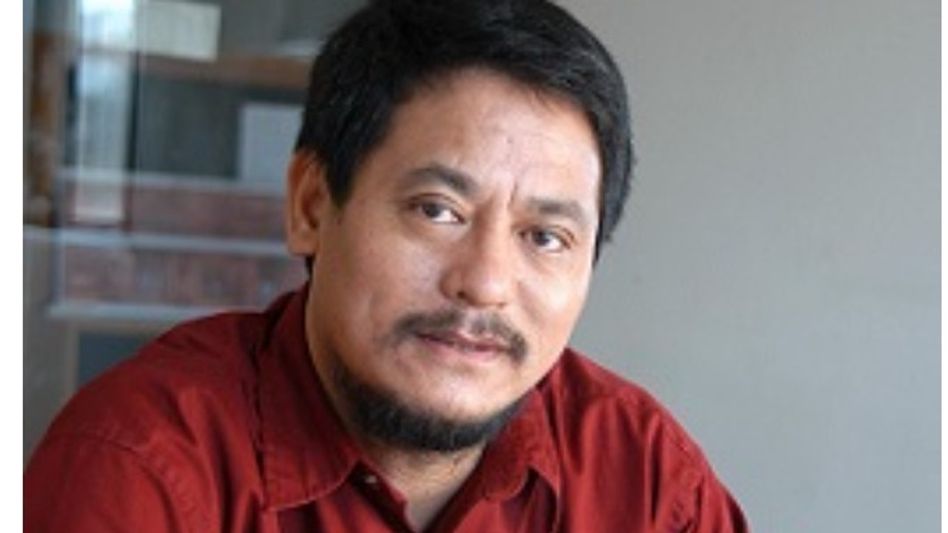
Professor Mahendra P. Lama, the academic behind a widely circulated roadmap for a permanent political solution to the Gorkhaland issue, has denied allegations that his proposal sought to include territory of Sikkim, saying the disputed clause was dropped from the final document submitted to the Centre.

- Sep 14, 2026,
- Updated Sep 14, 2026, 5:54 PM IST

Professor Mahendra P. Lama, the academic behind a widely circulated roadmap for a permanent political solution to the Gorkhaland issue, has denied allegations that his proposal sought to include territory of Sikkim, saying the disputed clause was dropped from the final document submitted to the Centre.
Lama issued the clarification in a note dated September 14, 2026, following concerns raised in Sikkim over his July discussion paper titled “Road Map for a Permanent Political Solution: 4 Options/Pathways.”
The fourth option in the July draft referred to “North Bengal as a State and/or with the contiguous areas of neighbouring States.” The wording triggered concerns in Sikkim, with the Sikkim Bhutia Lepcha Apex Committee (SIBLAC), led by convenor Tseten Tashi Bhutia, seeking clarification from Chief Minister Prem Singh Tamang over whether the proposal had any implications for Sikkim’s territory.
The controversy was further fuelled by reports of a map circulating alongside the proposal.
Lama, however, said no such map was attached to the note when it was circulated among civil society groups in Darjeeling in July.
He also clarified that the reference to “contiguous areas of neighbouring states” was intended to refer to states such as Bihar, Jharkhand, Assam and Meghalaya, and not Sikkim.
“By no stretch of imagination and strands of thought, we wanted to and would ever want to dismember and dislocate our very dear state of Sikkim,” Lama said in his response.
Lama also sought to distinguish his advisory role with the Sikkim government from his political advocacy for Gorkhaland, describing his position as a “pure professional portfolio” separate from his decades-long involvement with the Gorkhaland movement.
Importantly, Lama said the fourth pathway that triggered the controversy was not included in the final submission made to the Government of India in August 2026.
According to him, the final document contains only three proposals: full statehood for Gorkhaland as India’s 29th state, Union Territory status, and an autonomous “state within a state” arrangement modelled on Meghalaya’s 1969 transition.
Lama's response was strongly critical of the President of the Citizens Action Party (CAP), Sikkim, whom he accused of drawing an “insinuating, irresponsible and condemnable conclusion” from the draft.
He also accused the CAP president of attempting to undermine the Gorkhaland demand for political mileage.
The clarification addresses the principal concern raised by SIBLAC regarding the possible territorial implications of the Gorkhaland roadmap for Sikkim.
However, Lama's note does not address another document flagged by SIBLAC — a September 7 memorandum submitted by the Darjeeling District Constitutional Right People's Forum proposing a new Article 371K for a Darjeeling autonomous authority.
It also does not amount to an official clarification from the Sikkim government. SIBLAC had specifically sought a resolution from the state government and the Sikkim Legislative Assembly on the issue.