
Recurring water crisis in Gangtok sparks demand for permanent, climate-resilient solution
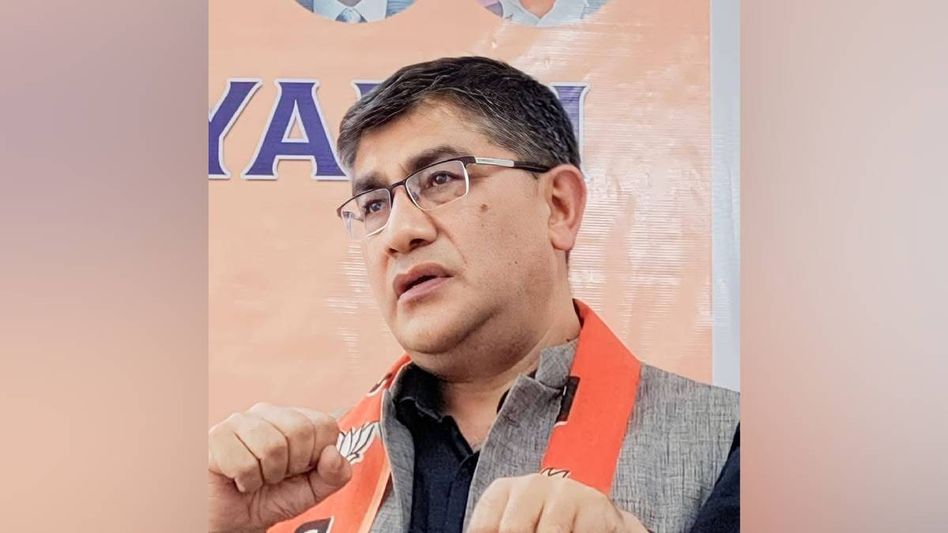
The recurring drinking water crisis in Sikkim’s capital has triggered fresh political concern, with calls for urgent long-term planning, financial discipline, and climate-resilient infrastructure to ensure uninterrupted supply to residents. The issue, raised by BJP Sikkim State President Dilli Ram Thapa, underscores what he described as a structural and year-round challenge that demands a permanent and sustainable solution.

- Feb 12, 2026,
- Updated Feb 12, 2026, 8:31 PM IST

The recurring drinking water crisis in Sikkim’s capital has triggered fresh political concern, with calls for urgent long-term planning, financial discipline, and climate-resilient infrastructure to ensure uninterrupted supply to residents. The issue, raised by BJP Sikkim State President Dilli Ram Thapa, underscores what he described as a structural and year-round challenge that demands a permanent and sustainable solution.
In a statement, Thapa said that while India is progressing towards the vision of “Viksit Bharat 2047,” it is unfortunate that residents of Gangtok continue to struggle with access to a basic necessity such as reliable drinking water. He stressed that water security must form the backbone of development planning in a capital city that serves as both an administrative hub and a major tourist destination.
The statement noted that although public awareness campaigns promoting water conservation are important during periods of scarcity, they cannot substitute for systemic reforms. It called upon the concerned department to clearly communicate its long-term roadmap for addressing the crisis, asserting that transparency in planning and water management is essential to restore public confidence.
According to the statement, the water shortage in Gangtok is not confined to a specific season. During winter, reduced discharge from natural sources significantly lowers supply. Conversely, in the monsoon, heavy rainfall, landslides, and frequent damage to intake pipelines disrupt distribution networks. These seasonal fluctuations, it said, reveal that the problem is structural rather than temporary.
Highlighting the need for a durable solution, the statement advocated the identification and development of dependable perennial water sources such as Bhusuk Khola, or other viable alternatives capable of ensuring year-round supply. It also emphasised the construction of climate-resilient infrastructure that can withstand landslides and extreme weather events, which routinely affect the existing system.
The impact of the recurring shortage extends beyond household inconvenience, the statement added. It affects public health, tourism, hospitality, commerce, and the broader economic ecosystem of the state capital. Frequent disruptions in water supply pose challenges for hotels, businesses, and service providers who rely on steady access to water, potentially undermining Gangtok’s reputation as a leading tourist destination.
Concerns were also raised over the state’s financial condition, with the statement suggesting that improved fiscal discipline and prioritisation could have facilitated the development of alternative water projects earlier. Timely preparation of Detailed Project Reports (DPRs), efficient tendering processes, and strategic planning were cited as critical steps that should have been initiated to strengthen water infrastructure.
The statement further criticised what it described as disproportionate spending on non-essential sectors, including luxury infrastructure and distribution schemes that do not directly address core services. In times of financial constraint, it argued, essential infrastructure such as drinking water must take precedence in budget allocation and policy planning.
Calling for immediate action, the statement urged authorities to undertake a comprehensive technical survey to identify feasible perennial water sources and prepare a detailed DPR without delay. It recommended submitting the proposal to the Central Government to secure financial assistance for implementing sustainable, long-term water supply systems.
Ensuring reliable drinking water, the statement concluded, is not merely an administrative responsibility but a fundamental obligation to the people of Sikkim, who should not continue to face recurring hardship over an essential necessity.
MORE NEWS








Copyright©2026 Living Media India Limited. For reprint rights: Syndications Today
