Sikkim begins departmental consultations to shape ‘Sikkim Vision @2047’
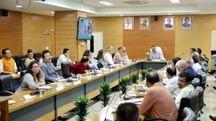
Senior officials and department heads met in Gangtok to refine inputs for the Sikkim Vision @2047 document. The consultations focused on coordination, implementation gaps and long-term planning across sectors.

- Sep 10, 2026,
- Updated Sep 10, 2026, 10:08 PM IST

- Senior officials met at Chintan Bhawan for the second Vision session
- Twenty-one departments presented draft priorities, goals and expected outcomes till 2047
- Presentations included SWOT data, flagship schemes, budgets and sectoral challenges
The second meeting for the preparation of the “Sikkim Vision @2047” document was held at the Mini Conference Hall of Chintan Bhawan on September 10, bringing together senior officials and heads of various departments to deliberate on the state’s long-term development priorities.
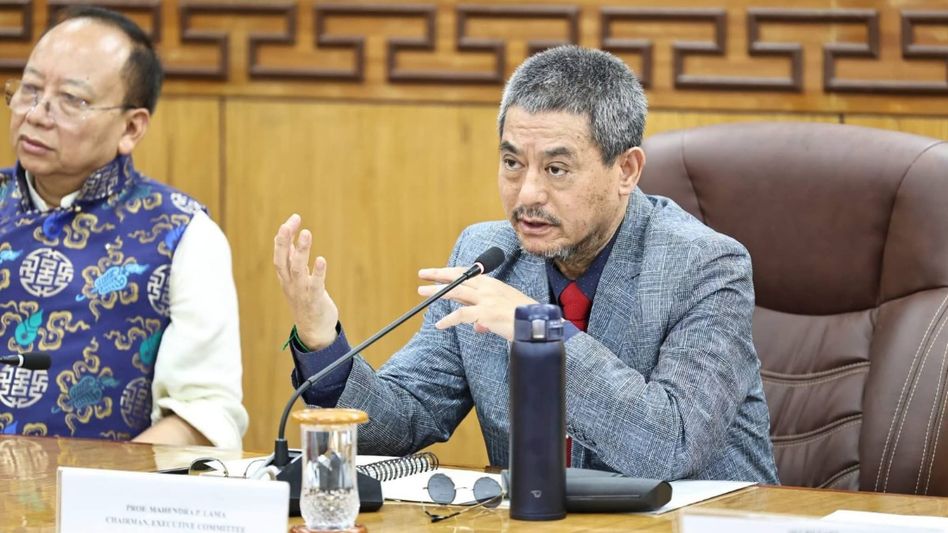
The two-day meeting was jointly hosted by the Planning & Development Department and the Executive Council for Sikkim Vision @2047. The session was chaired by Professor Mahendra P Lama, Emeritus and Chief Economic Advisor to the Chief Minister and Chairman of the Executive Council.
The meeting was attended by Member ITS Dr Neeraj Adhikari, Member ITS James Saring Lepcha, Commissioner-cum-Secretary of the Planning and Development Department M T Sherpa, and Secretary Tushar Nikhare, among other senior officials.
On the first day, heads of 21 departments presented their respective draft inputs for the Sikkim Vision Document 2047. The presentations outlined sector-specific priorities, long-term goals, strategic initiatives and expected outcomes aimed at shaping the state's development trajectory up to 2047.
The departmental presentations also covered SWOT analyses, statistical data, flagship programmes, qualitative visions, strategic roadmaps, workforce policies, budgetary requirements and operational challenges across various sectors.
In his opening address, Professor Mahendra P Lama highlighted the need for inter-departmental coordination in preparing a realistic, participatory, evidence-based and action-oriented vision document. He stressed that coordinated planning would be crucial to translate sectoral priorities into a comprehensive development strategy for the state.
Following the presentations, members of the Executive Council and senior departmental officials provided feedback and strategic recommendations. The Council emphasised the importance of a cross-sectoral approach, strong leadership, diversified funding sources, technological innovation and skill development.
The meeting also discussed the need to benchmark Sikkim's development initiatives against those of neighbouring Himalayan regions with similar geographical and cultural contexts. Such comparisons, officials noted, could help identify and adapt suitable practices for Sikkim while also contributing to solutions relevant to the wider Himalayan region.
The Council further identified areas of overlap among departmental policy objectives and called for greater coordination and collaborative action to avoid duplication and strengthen implementation.
The departments that made presentations on the first day included School Education and Higher Education; Health & Family Welfare; Information and Public Relations; Skill Development; Rural Development; Panchayati Raj; Agriculture; Horticulture; Fisheries; Animal Husbandry & Veterinary Services; Public Health Engineering; Land, Revenue and Disaster Management; Home and Protocol; Forest; Water Resources; Food and Civil Supplies; Food Processing; Cooperation; Printing and Stationery; Ecclesiastical; and Urban Development.
The second day of the meeting, scheduled for September 11, will feature presentations from the remaining departments, followed by discussions and feedback from the Executive Council and participating departmental heads.