
Sikkim plans closure of 17 more primary schools amid falling enrolment, sparks concern
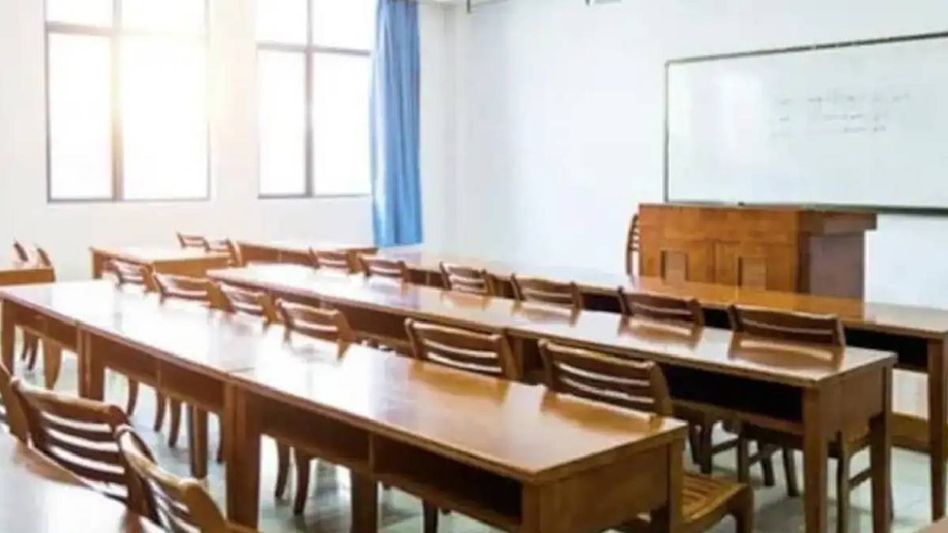
The Sikkim government is planning to temporarily close 17 more government-run primary schools this year, citing a continued decline in student enrolment attributed to the State’s low fertility rate. The move, announced by Education Department Secretary Taashi Chophel Lepcha on Wednesday, April 1, has triggered concern among sections of civil society and education stakeholders.

- Apr 01, 2026,
- Updated Apr 01, 2026, 8:30 PM IST

- Sikkim government to temporarily close 17 more primary schools this year
- Decline in student enrolment linked to low fertility rate in the State
- 38 schools were closed temporarily in 2025 for similar reasons
The Sikkim government is planning to temporarily close 17 more government-run primary schools this year, citing a continued decline in student enrolment attributed to the State’s low fertility rate. The move, announced by Education Department Secretary Taashi Chophel Lepcha on Wednesday, April 1, has triggered concern among sections of civil society and education stakeholders.
Speaking at the State-level Education Conference held at Chintan Bhawan, Lepcha said that shrinking student numbers remain a persistent challenge for Sikkim’s school education system. He noted that 38 primary schools were temporarily shut in 2025 under similar circumstances, and a fresh proposal has now been put forward to close an additional 17 schools in the current year.
Officials maintain that the declining enrolment trend is largely demographic in nature, driven by a sustained drop in birth rates across the State. The government has argued that rationalisation of school infrastructure is necessary to ensure optimal utilisation of resources in the face of dwindling student populations.
However, the decision has drawn criticism from social activist Pravin Sharma (Upreti), who has urged the government to reconsider the move. In a statement issued on Wednesday, Sharma said the closures fail to adequately account for the socio-economic realities faced by students, particularly those from disadvantaged backgrounds who rely heavily on government schools for access to education and related welfare services.
He argued that the decision appears to have been taken without a comprehensive, evidence-based assessment of the underlying causes of low enrolment. “Instead of addressing root issues such as inadequate infrastructure, lack of parental awareness, and limited access to essential services like nutrition and healthcare, the government seems to be relying on arbitrary benchmarks,” he said.
Mr. Sharma also pointed to what he described as a recurring pattern in policy decisions, noting that 97 elementary schools were closed in 2024 without “meaningful corrective measures” being implemented. He warned that repeated closures without systemic reforms could undermine the long-term viability of public education in the State.
Raising concerns over equity in access to education, the activist highlighted an apparent contradiction in governance, alleging that many public representatives opt for private schooling for their children while government institutions catering to the broader population face gradual closure.
Calling for collective action, Sharma appealed to educators, students, youth groups, and civil society organisations to voice opposition to the decision. He urged the State government to reverse the proposed closures and instead focus on strengthening public schools through inclusive and evidence-based reforms.
The developments have once again brought into focus the challenges faced by smaller States like Sikkim in balancing demographic shifts with the need to sustain equitable and accessible public education systems.
MORE NEWS








Copyright©2026 Living Media India Limited. For reprint rights: Syndications Today
