Tripura Assembly heats up over nationalism, Castro remarks; minister accuses CPI(M) of acting as ‘broker’ for Pakistan, China
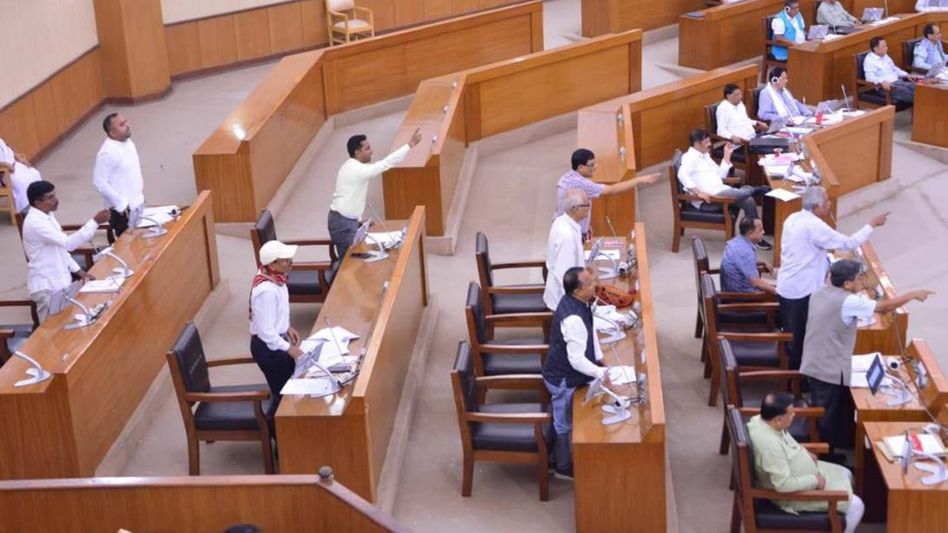
The opening day of the Monsoon Session of the Tripura Legislative Assembly on Thursday, August 27 witnessed a heated exchange between the Treasury Bench and the opposition CPI(M) over nationalism, the Cuban flag and remarks concerning revolutionary leader Fidel Castro.

- Aug 27, 2026,
- Updated Aug 27, 2026, 4:48 PM IST

The opening day of the Monsoon Session of the Tripura Legislative Assembly on Thursday, August 27 witnessed a heated exchange between the Treasury Bench and the opposition CPI(M) over nationalism, the Cuban flag and remarks concerning revolutionary leader Fidel Castro.
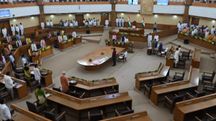
The uproar eventually forced Speaker Rampad Jamatia to adjourn the first half of the session prematurely.
The controversy erupted during Zero Hour when Power Minister Ratan Lal Nath questioned the participation of Leader of the Opposition Jitendra Chaudhury in a CPI(M)-organised event commemorating the birth anniversary of Fidel Castro. Nath also objected to the display of the Cuban flag alongside the Indian national flag at the programme.
The minister alleged that Chaudhury's remarks at the event had questioned the concept of Indian nationalism. BJP legislators subsequently demanded that the Leader of the Opposition apologise publicly.
Nath further accused the CPI(M) of praising foreign countries at the expense of India and supporting forces allegedly opposed to the country's interests. In a sharp political attack, he alleged that the CPI(M) was acting as a "broker" for Pakistan and China.
His remarks triggered strong protests from CPI(M) MLAs, leading to a heated verbal confrontation between the ruling and opposition benches. As tempers rose, the Speaker intervened and adjourned the House.
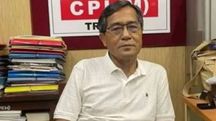
Speaking to reporters outside the Assembly later, Jitendra Chaudhury rejected the allegations and claimed that his speech had been distorted to create a political controversy.
Chaudhury said the central theme of his speech was India's traditional humanitarian outlook and the importance of respecting personalities from different countries who had contributed to humanity and fought against oppression.
Referring to Fidel Castro, he said Castro could be viewed as a symbol of patriotism, resistance and the struggle for national independence. He also cited Swami Vivekananda's address at the Chicago Parliament of Religions, Rabindranath Tagore and physician Dr Taraknath Kotnis as examples of India's broader humanitarian tradition.
The opposition leader argued that Indian nationalism should be understood in the context of the concept of Vasudhaiva Kutumbakam and should not be interpreted in a narrow or exclusionary manner.
On the Cuban flag, Chaudhury questioned why its display at a political programme had become an issue. He also criticised the government for raising an issue related to an external political event during Zero Hour instead of focusing on problems affecting ordinary people.