
Tripura CM accuses opposition of ‘anti-women mindset’ after bill’s defeat, calls it 'Black Day' for democracy
The Constitution (131st Amendment) Bill, 2026, which proposed 33 per cent reservation for women in legislatures along with an increase in Lok Sabha seats to 816, was defeated in the Lok Sabha on Friday after failing to secure the required two-thirds majority.

- Apr 18, 2026,
- Updated Apr 18, 2026, 8:51 AM IST

The Constitution (131st Amendment) Bill, 2026, which proposed 33 per cent reservation for women in legislatures along with an increase in Lok Sabha seats to 816, was defeated in the Lok Sabha on Friday after failing to secure the required two-thirds majority.
Out of 528 members who participated in the voting, 298 MPs voted in favour of the bill, while 230 opposed it. The legislation required at least 352 votes to be passed.
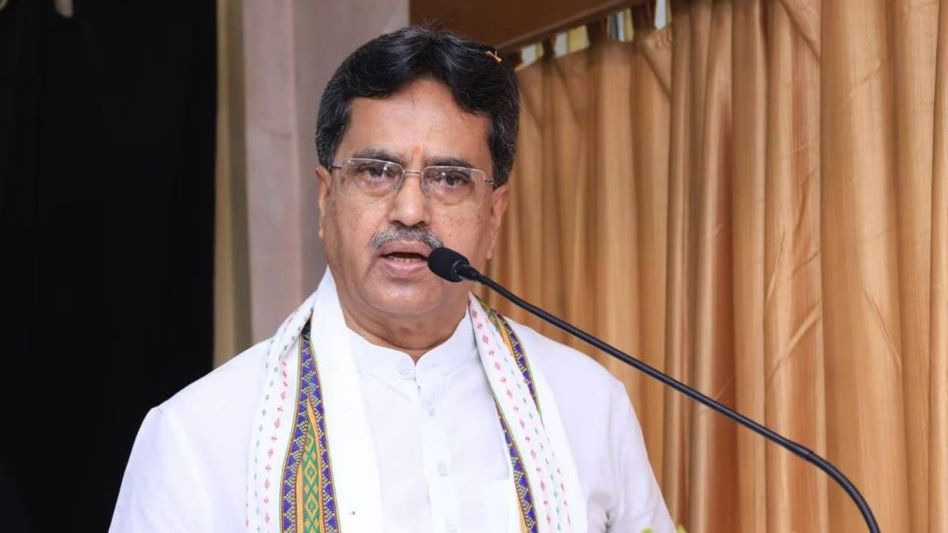
Reacting to the development, Tripura Chief Minister Manik Saha termed the outcome a “Black Day” for Indian democracy and accused opposition parties of harbouring an “anti-women mindset.” In a statement, Saha said the failure to pass the bill reflected a lack of commitment among opposition parties towards women’s political empowerment.
He further alleged that parties including the Congress, Trinamool Congress (TMC), Dravida Munnetra Kazhagam (DMK), Samajwadi Party (SP), and other constituents of the INDIA alliance had collectively opposed a measure aimed at strengthening women’s representation in governance.
The proposed amendment sought to operationalise 33 per cent reservation for women in the Lok Sabha and state legislative assemblies ahead of the 2029 general elections. It also included provisions to increase the strength of the Lok Sabha from the current 543 seats to 816, following a delimitation exercise based on the 2011 Census. Similar expansion was proposed for state and Union Territory assemblies to accommodate reserved seats.
Saha described the bill’s defeat as a setback to efforts aimed at advancing women’s participation in legislative bodies. He said the outcome could have political implications in future elections, particularly among women voters.
The bill’s rejection marks a significant legislative setback for the government’s push to expand women’s representation in elected bodies, an issue that has remained under discussion for decades. No immediate indication has been given on whether the government will reintroduce the legislation in a revised form.
MORE NEWS








Copyright©2026 Living Media India Limited. For reprint rights: Syndications Today
