
Tripura CM defends VBG RAMG Act, says it marks shift in rural employment policy
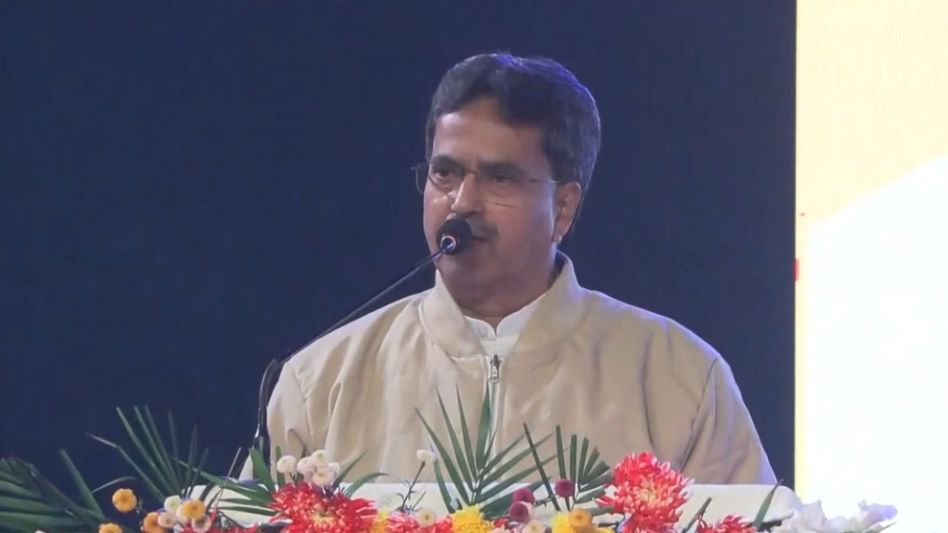
Speaking at a press conference at the state BJP office, Saha said the Bill had seen extensive debate in both the Lok Sabha and the Rajya Sabha, but confusion was now being created among people through protests outside the House.

- Jan 09, 2026,
- Updated Jan 09, 2026, 10:31 PM IST

Tripura Chief Minister Manik Saha on January 9 described the VBG RAMG Act as a major policy change aimed at strengthening rural livelihoods, while criticising the opposition for continuing protests even after the legislation was passed by Parliament.
Speaking at a press conference at the state BJP office, Saha said the Bill had seen extensive debate in both the Lok Sabha and the Rajya Sabha, but confusion was now being created among people through protests outside the House.
“It is strange that after the passing of the Bill, the opposition is doing the same outside,” he said.
Saha said the new law was designed after assessing the limitations of earlier rural employment programmes. Referring to the evolution of employment guarantee schemes, he said experiences from earlier models had led to MNREGA, which provided a national legal framework but also had “many loopholes”.
He said the VBG RAMG Act seeks to replace MNREGA with a new structure that promises higher work guarantees, dedicated funding and a focus on creating durable assets. “Earlier, there used to be work but with no durability,” he said, adding that reforms were necessary to ensure “ease of living, ease of doing and ease of business”.
According to the chief minister, the Act increases guaranteed employment from 100 to 125 days and introduces stricter accountability in implementation. He said the Centre has committed more than Rs 95,000 crore for the programme, with an emphasis on timely wage payments and greater decentralisation through Gram Sabhas.
“The VBG RAMG Act is a historic step,” Saha said, thanking Narendra Modi for what he described as a focus on rural India. He stressed that development efforts must move beyond cities to ensure socio-economic growth in villages.
He added that the law places strong emphasis on water conservation and security, asset creation, livelihood generation, rural infrastructure and climate change mitigation, calling it a significant shift in India’s approach to rural employment and development.
MORE NEWS










Copyright©2026 Living Media India Limited. For reprint rights: Syndications Today
