Tripura: Seven surrendered insurgent groups begin 72-hour highway blockade over 11 demands
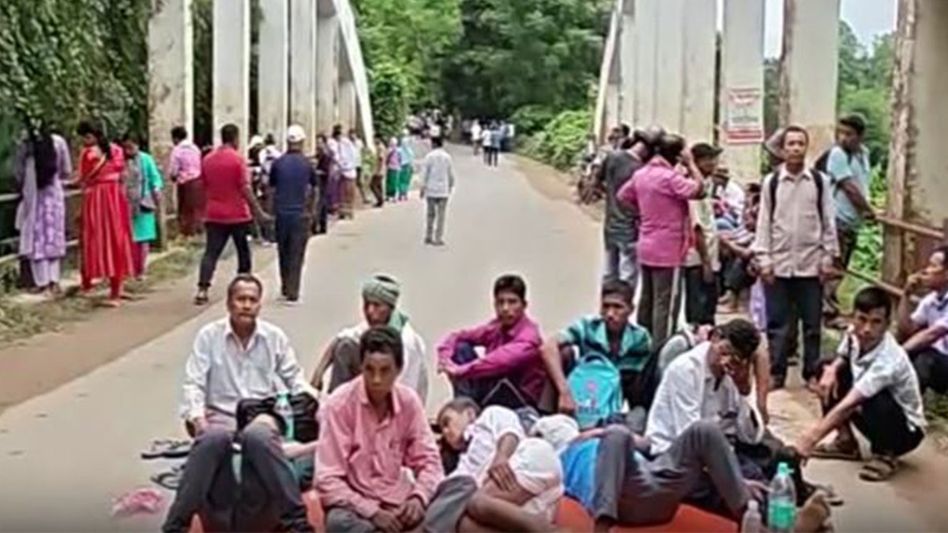
Seven surrendered insurgent groups blocked the Assam-Agartala highway in Tripura and began a 72-hour bandh on Friday. The protest has put the focus on delayed implementation of the 2024 peace accord and wider Tiprasa demands.

- Sep 04, 2026,
- Updated Sep 04, 2026, 12:41 PM IST

- Protesters blocked roads at Baramura, leaving vehicles stranded across key stretches
- Tyres were burnt on the highway, halting traffic movement
- Police and civil officials opened talks while security was tightened nearby
Seven surrendered insurgent groups in Tripura launched a 72-hour blockade of the Assam-Agartala National Highway on September 4, disrupting traffic and demanding action on 11 issues, including the implementation of a tripartite peace accord signed in September 2024.
Members and supporters of the National Liberation Front of Tripura (Original), NLFT (Parimal Debbarma), All Tripura Tiger Force (ATTF), NLFT (Nayan Bashi), Joint Action Rehabilitation Committee, Joint Action Committee and ATTF (Old) began the blockade early in the morning at Chandra Sadhupada in the Baramura area.
Protesters placed themselves on the highway and set tyres on fire, bringing traffic to a halt. Vehicles were left stranded at several points as the blockade affected one of the state's key road links.
The protest was also reported at Bighudas along the railway route and at Khowai Chowmuhani on the road route. Security was tightened in the affected areas, while police and administrative officials held talks with protesters in an attempt to clear the routes.
West Tripura Superintendent of Police Namit Pathak reached the protest site after receiving information about the blockade.
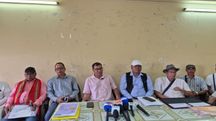
NLFT leader Thomas Tripura said the organisations had been demanding implementation of commitments made under agreements with the Centre and the Tripura government for several years. He claimed that the September 4, 2024 tripartite agreement provides a four-year timeframe, ending in 2028, for implementation of the commitments.
According to Thomas Tripura, the groups believe there has been insufficient progress so far and have therefore intensified their agitation.
“We have struggled for nearly 35 years as a revolutionary organisation,” he said, adding that several organisations had subsequently returned to the mainstream through agreements with the governments.
The groups' demands include protection for their leaders and cadres, recognition and inclusion of the list of returnee cadres, and immediate implementation of the September 4, 2024 peace accord.
They are also seeking the filling of pending Scheduled Tribe vacancies, withdrawal of police cases against returnee cadres and implementation of projects under the Socio-Economic Development Package (SEDP), including projects involving privately owned land and individual beneficiaries.
Several demands concern indigenous communities in Tripura. The organisations have called for safeguards for Tiprasa land, a separate administration and the adoption and implementation of the Roman script for Kokborok.
They have also demanded a common customary law for Tiprasa communities, restoration and renaming of traditional village names, and the transfer of powers relating to land acquisition and allotment to the Tripura Tribal Areas Autonomous District Council (TTAADC).
Thomas Tripura said the blockade would continue for 72 hours unless the authorities addressed the issues raised by the groups.
The organisations had announced the statewide bandh earlier, beginning at 6 am on September 4, as a joint protest by returnee factions of the NLFT and ATTF. They described the action as a democratic movement aimed at securing implementation of the peace accord and protecting the interests of former insurgent cadres.