Artisans’ movement ends with focus on textiles, livelihoods and youth in Arunachal
An eight-day showcase of indigenous textiles and design concluded at Interior Park with a strong push towards positioning Arunachal Pradesh’s craft sector within India’s evolving fashion economy.
- Mar 22, 2026,
- Updated Mar 22, 2026, 11:33 AM IST
An eight-day showcase of indigenous textiles and design concluded at Interior Park with a strong push towards positioning Arunachal Pradesh’s craft sector within India’s evolving fashion economy.
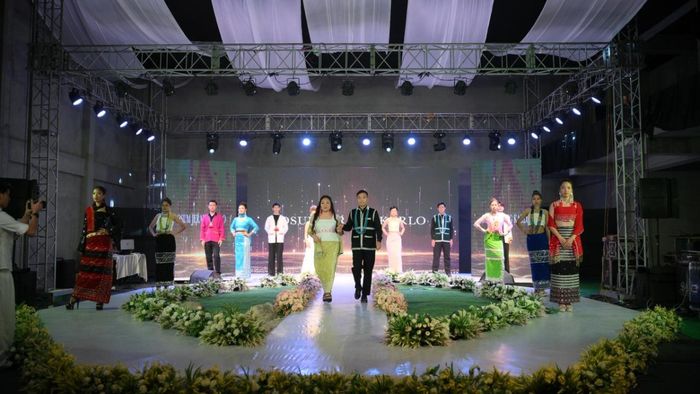
The closing ceremony, marked as Cultural Heritage Day and Awards Night, brought together designers, weavers, artisans and industry stakeholders, highlighting how the platform has grown over five years into a structured space linking traditional craftsmanship with modern markets.
Runway shows, exhibitions and live performances formed the core of the week-long event, offering a direct interface between creators and consumers. Handloom collections, jewellery, home décor and furniture were among the key displays, reflecting both cultural identity and commercial potential.
Top honours were awarded across categories, including Millo Antu and Tapang Taba as winners of the 2026 modelling titles, while Osum Jerang Karlo and Jiyi Ete were recognised for excellence in design and weaving.
Addressing the gathering, the state’s textile and handicrafts minister said the initiative represents more than a fashion event. “What we are building here is not just a fashion event, but a larger movement—one that preserves our culture, empowers our youth, and positions Arunachal Pradesh as a strong and confident voice,” he said.
He added that government support is focused on strengthening market linkages and expanding opportunities for young people through indigenous textiles.
Officials pointed to the state’s growing textile economy, which produces nearly 69 metric tonnes of Eri, Muga and mulberry silk annually and supports over 34,000 livelihoods across about 500 villages. A proposed ₹25 crore push in sericulture and skill development is expected to further scale the sector.
The event’s organisers said the platform will expand beyond the state, with plans to develop a broader regional fashion network. “This is the beginning of a larger journey… to take the textiles, weaving practices and stories of the Northeast to bigger national and global platforms,” the founder said.
Organisers also highlighted the scale of effort behind the event. “It has taken us more than a year of dedication, hard work, and belief to bring this vision to life,” a senior official said, noting plans to build a structured fashion industry in the state.
The conclusion of the event underlines a broader shift in Arunachal Pradesh’s approach to its creative economy—where traditional textiles are increasingly seen not only as cultural assets, but as drivers of employment, entrepreneurship and regional identity.